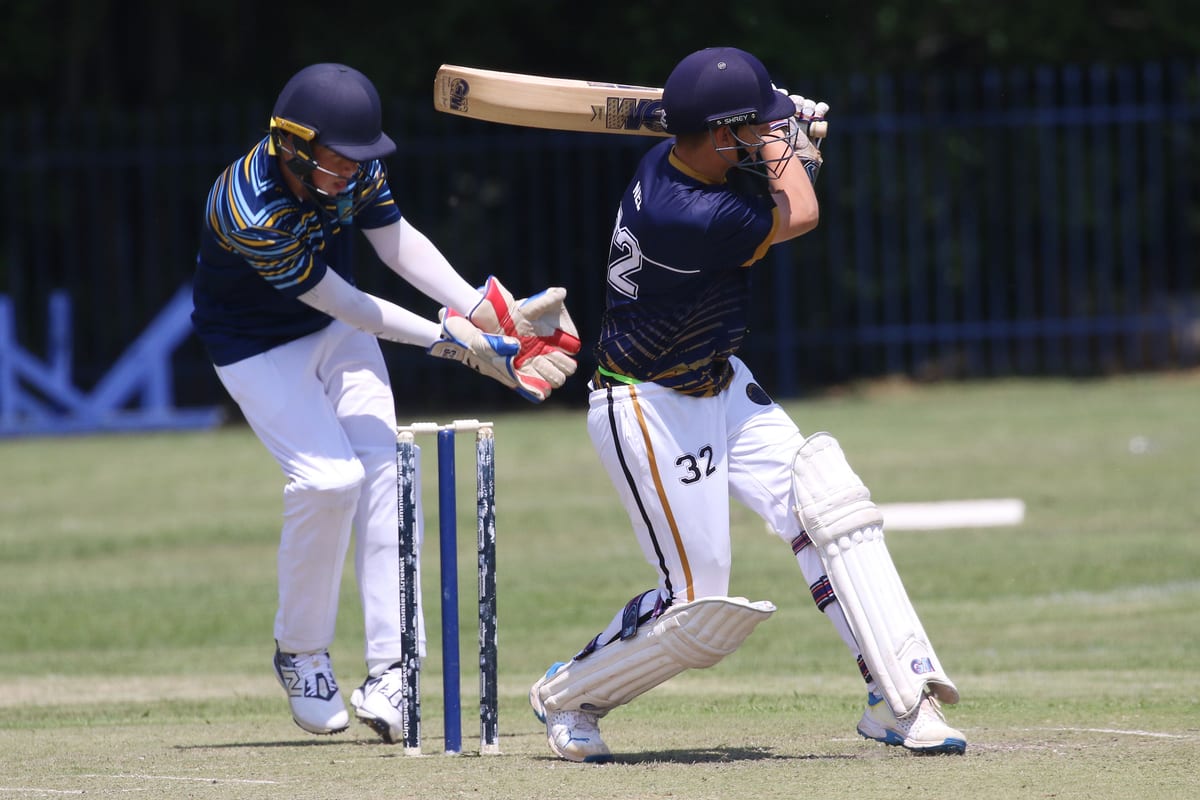
Chennai: East Zone captain Ishan Kishan walked off the first day of the Duleep Trophy final against South Zone unbeaten on 111, having anchored his side to 385 for 4 after winning the toss and choosing to bat first. Aaj Tak reported that the captain's innings pushed South Zone onto the back foot and left him well placed to extend the score on the second morning.
The total was not built by Kishan alone. Vaibhav Suryavanshi made a brisk 44 at the top, and Abhimanyu Easwaran and Shikhar Mohan both registered half-centuries. Kishan then added a century stand for the fifth wicket with Kumar Kushagra. By stumps, East Zone had positioned itself for a final-day advantage in a match that matters for national selection.
India Today's live coverage captured the rhythm of the day: early intent from the openers, consolidation through the middle order, and an accelerating finish from the lower-middle order. It was a day that rewarded East Zone's decision to bat, though the real test begins when South Zone's bowlers return with the second new ball.
A red-ball reminder
Kishan's innings matters less for the runs than for where they were scored. The Duleep Trophy is not a festival of first-class cricket. It is the BCCI's formal red-ball evaluation, the tournament selectors watch most closely when they assemble Test squads. A century in the final against a South Zone attack carries a weight that a century in an ordinary Ranji game does not.
India's Test wicketkeeping decision has become a recurring selection puzzle. The white-ball formats have thrown up options, but red-ball keeping demands different discipline: patience against the second new ball, the ability to bat long, the capacity to absorb pressure while the top order rebuilds. Kishan's unbeaten innings on day one ticks several of those boxes. He started cautiously and accelerated after getting set, the pattern selectors want to see.
For a player often bracketed as a limited-overs hitter, the innings was a study in patience. He left the flashy strokes for later, dealt in singles and the occasional boundary, and refused to let the final's pressure accelerate his tempo. That restraint, more than the runs, is what the selection panel will remember.
East Zone's assembly line
Suryavanshi's 44 at the top gave the innings early momentum, and Easwaran's half-century provided ballast. Easwaran has been around India A circuits for years; his runs in a final are a reminder that the opener's queue remains crowded. Shikhar Mohan's contribution further stretched South Zone. By the time Kishan walked in, the platform existed. He made it count.
India Today noted that the hundred capped East Zone's dominant day. The scoreline was 385 for 4. But the numbers conceal the work beneath: a middle-order repair job and a captain's hand that refused to give away the initiative.
The structure of East Zone's innings also reveals the depth available in India's domestic red-ball setup. The runs came from different positions, at different tempos, and the lower order has yet to be tested. That spread of contributions is what makes a first-day total imposing rather than merely respectable.
Selection calculus beyond the century
One innings does not settle a selection debate, but it reorders the variables. The Duleep Trophy final runs a four-day format, and the second day will test whether Kishan can push on. A hundred at stumps on day one is only a promise; the follow-up matters. The BCCI's selection panel will note the circumstances: a final, a captain leading from the front, an unbeaten hand that held the innings together. Those details linger when squad announcements approach.
The other half of the equation is what Kishan did not do. No reckless stroke after the century, no attempt to dominate every ball. He batted within the game, and that restraint matters more in red-ball cricket than any highlight reel.
For a selection committee weighing multiple wicketkeeper-batter options, the challenge is not the talent pool but the fit. Kishan's day-one century compels a second look, but the question of consistency across a season has always been the harder test. The second innings, and the rest of this final, will provide more evidence.
The pipeline argument
Domestic first-class tournaments rarely make headlines beyond cricket pages, but they are the supply chain for India's Test team. The BCCI has kept the Duleep Trophy at the centre of that chain, pitting zone against zone in multi-day matches before the international season. A century from a player who has spent recent cycles on the white-ball circuit is the signal the system is designed to generate. It says the red-ball option remains open.
That signal matters for an Indian cricket establishment that has spent years managing the overlap between formats. Wicketkeeping depth is a quiet asset; it allows the Test side to rotate without a visible drop. Kishan's innings on day one is a reminder that the cupboard is not bare. The question is whether the selectors will treat it as one data point or as a trend.
India's rise as a cricketing power has always depended on this pipeline. The Duleep Trophy is not a legacy tournament. It is a live selection mechanism. When a player like Kishan uses it to make a public claim, the system works as intended.
What the second day holds
East Zone will resume at 385 for 4 with Kishan on 111 and Kushagra at the other end. The morning session will define whether this becomes a match-defining total or merely a good first day. South Zone's bowlers need early wickets, and Kishan will be their primary target. How he handles the second new ball, and whether he converts the hundred into a score beyond 150, will shape both the final and the selection conversation that follows.
For Indian readers who follow Test cricket's long arcs, the innings is worth marking. It is not a white-ball flourish. It is a red-ball statement, made in a final, by a captain who knew exactly when his team needed one. The selectors, like the South Zone bowlers, now have to decide how much attention to pay.
The Duleep Trophy has produced these hinge moments. A player labelled for one format finds a longer game inside himself on a Chennai pitch, and the selection conversation shifts by a few degrees. Kishan's century does not guarantee a Test recall, and it should not. What it does is restore his name to the sheet of paper that matters, the one the selectors carry into the room when they sit down to pick the next Test squad. Indian cricket has rarely suffered from too much depth. It has suffered from not trusting it.