New Delhi's crude supply chain runs through a stretch of water that can close in an afternoon. On Monday, NDTV reported that Israeli Prime Minister Benjamin Netanyahu is pressing US President Donald Trump to order strikes on Iran once the midterm elections conclude, even as two officials said mediators are trying to advance a framework for Iran to halt attacks in the Strait of Hormuz in return for the US lifting its blockade on Iran's ports.
The timing is not incidental. India Today reported that Israel is preparing for a renewed Iran war as Trump and Netanyahu spoke ahead of the midterm vote. Iranian envoys have held fresh talks with Qatari mediators as the threat of US strikes looms after the midterms. The mediation track, according to NDTV, centres on a simple trade: Iran stops attacks in the Hormuz shipping lane, and Washington lifts its blockade on Iranian ports.
The conflict has been underway since February, and NDTV's roundup of midterm issues notes it has driven energy costs higher and become deeply unpopular with American voters. That is the political arithmetic behind Netanyahu's reported push. A pre-election strike would hand Trump's opponents ammunition. A post-election strike allows the White House to argue national security after voters have already cast ballots.
The Hormuz exposure
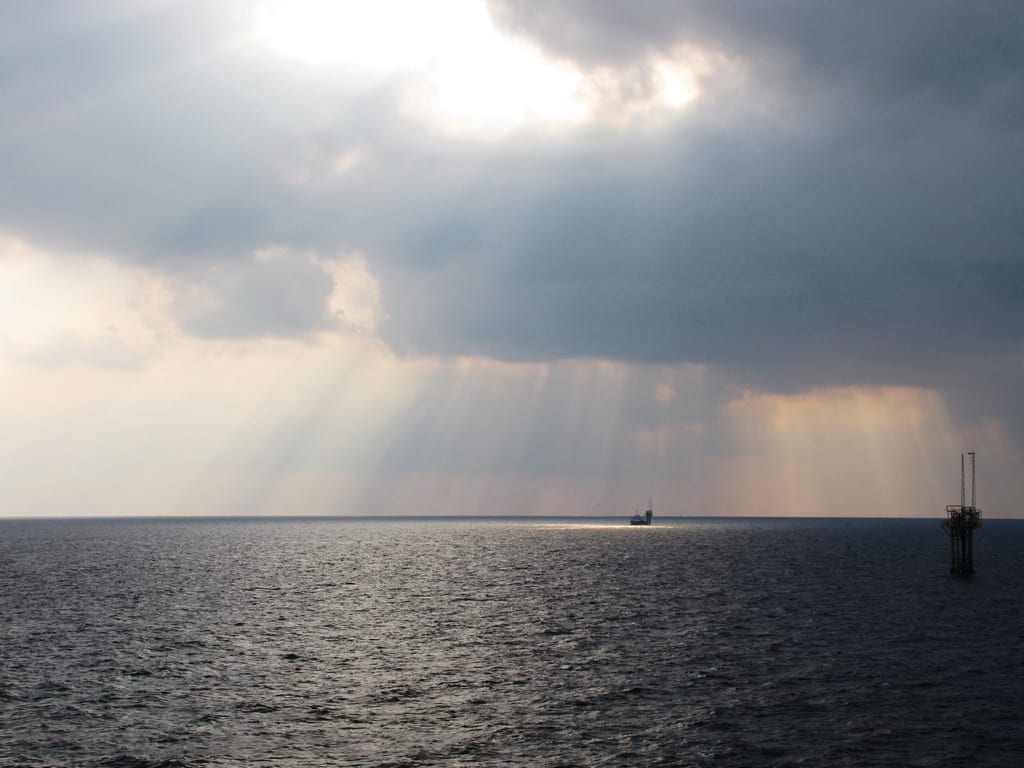
The Strait of Hormuz is the waterway through which a large share of the world's seaborne crude moves. For India, the dependence is structural and non-negotiable in the short term. Most of the crude that reaches Indian refineries arrives through Hormuz. The shipping lane's closure, even for days, would force buyers to seek longer routes around the Arabian Peninsula, and prices would track the panic.
India's import bill is already sensitive to global crude swings. A widened Gulf war with strikes on Iranian energy infrastructure could push prices sharply upward, widen the trade deficit, and put pressure on the rupee. This is not a hypothetical scenario reserved for war colleges. The last time major Gulf shipping came under attack, Indian refiners had to renegotiate freight and insurance costs almost overnight. A new escalation would push the same machinery harder.
New Delhi has not issued an official reaction to this specific report. Its consistent position, restated by the external affairs ministry after past Gulf flare-ups, is de-escalation, dialogue, and respect for freedom of navigation. That language is not weakness. It is the public face of a deliberate multi-alignment: India maintains diplomatic relations with Iran, Israel, and the United States, and it uses all three channels. The Chabahar port investment gives New Delhi a concrete stake in keeping Iran engaged in regional connectivity, while defence and technology ties with Israel and the US give it other levers.
The planning gap
Beyond the immediate diplomatic sprint, the larger question for Indian energy planners is resilience. The strategic petroleum reserve exists to cushion supply interruptions, but it is not sized for a prolonged Hormuz closure. Crude import diversification has advanced, with alternative suppliers sharing the basket, but no alternative route can replace Hormuz's daily throughput.
The Chabahar project sits at the intersection of this problem. India has used the port to reach Afghanistan and Central Asia, bypassing Pakistan. If US strikes against Iran trigger secondary sanctions or operational disruptions at Chabahar, that connectivity project would stall, and with it the land route that New Delhi has steadily built as an alternative corridor.
Chabahar's vulnerability is not abstract. The port sits on Iran's southeastern coast, far from the Strait, but it depends on Iranian customs, insurance, and banking channels that US sanctions have already constrained. India has secured periodic carve-outs for Chabahar from Washington, but each negotiated exception is fragile. A post-strike sanctions clampdown could freeze the port's cargo handling even if the physical terminal remains intact. That would sever the alternative route to Afghanistan that New Delhi has spent years developing and push Central Asian trade back toward the longer, more expensive corridors through Russia or the Gulf.
The Indian workforce in the Gulf is another live nerve. Ports, aviation routes, and construction sites from Doha to Dubai would feel a widened war quickly. Remittance flows that support household consumption in Kerala, Tamil Nadu, and the Gangetic plain would face disruption if shipping slows and insurance costs rise. New Delhi cannot fully insulate this population, but it can push all parties to protect civilian shipping and keep evacuation plans current.
Diplomatically, New Delhi's task is to keep the mediation track alive long enough for its own contingency planning to mature. India can urge restraint in Washington without breaking ties, press Tehran to remain in the Qatar talks, and ask Tel Aviv to weigh the costs of a wider war on partners across Asia. Each of those conversations is difficult, but each is open. That is what strategic autonomy looks like in practice: not a refusal to engage, but the refusal to be cornered by any single relationship.
What the next month will reveal
The midterm vote will tell whether the administration's Iran policy carries an electoral cost. If Republicans hold the House, the post-election window for military action widens. If they lose, the White House may still strike but with a narrower mandate. Either way, the mediation track in Qatar is the only pathway that keeps Hormuz open without war.
For India, the exposure is not speculative. It sits in the freight cost of every barrel, the remittances of Gulf workers, and the balance-sheet risk of a rupee under pressure. The government's main protection is speed: faster diversification of crude sources, faster filling of strategic reserves, and faster diplomatic outreach to all three capitals. None of that makes headlines the way a missile strike would. But it is the quiet work that keeps Indian fuel prices from moving with every rumour from the Gulf.