Energy markets are bracing for unprecedented volatility as ceasefire negotiations between the United States and Iran hover at a critical juncture, with Exxon warning that oil prices could surge to $150 per barrel if regional tensions escalate further. Global crude inventories are approaching record lows, amplifying the potential impact of any supply disruption from the world's most strategic energy corridor.
Negotiators have reached a draft agreement between Washington and Tehran, but the deal faces formidable obstacles. President Donald Trump has yet to approve the provisional framework, and disputes over nuclear red lines, fresh missile violations, and unresolved sanctions are complicating what officials describe as delicate negotiations.
Missile Strikes Test Fragile Diplomatic Framework
The provisional nature of current agreements became apparent when US Central Command accused Iran of firing a ballistic missile toward Kuwait in what it termed an "egregious ceasefire violation," while Iran's Revolutionary Guard Corps justified the action as retaliation for what it described as a hostile American strike near Bandar Abbas airport. The cycle of escalation shows how quickly diplomatic progress can unravel in a region where military commanders operate with significant autonomy.
Washington imposed fresh sanctions by adding the Persian Gulf Strait Authority to its Specially Designated Nationals list, demonstrating that economic warfare continues even as diplomatic channels remain open. Both sides are maintaining pressure tactics while exploring negotiated settlements—a strategy that creates instability in energy markets.
Supreme Leader's Red Lines Complicate Regional Settlement
The most significant structural obstacle to any lasting agreement may be domestic Iranian politics. An Iranian MP warned that any deal would violate Supreme Leader Mojtaba Khamenei's red lines on the Strait of Hormuz, the nuclear issue, and Lebanon. These constraints reveal the limited maneuverability even reformist negotiators possess when core regime interests intersect with regional power projection.
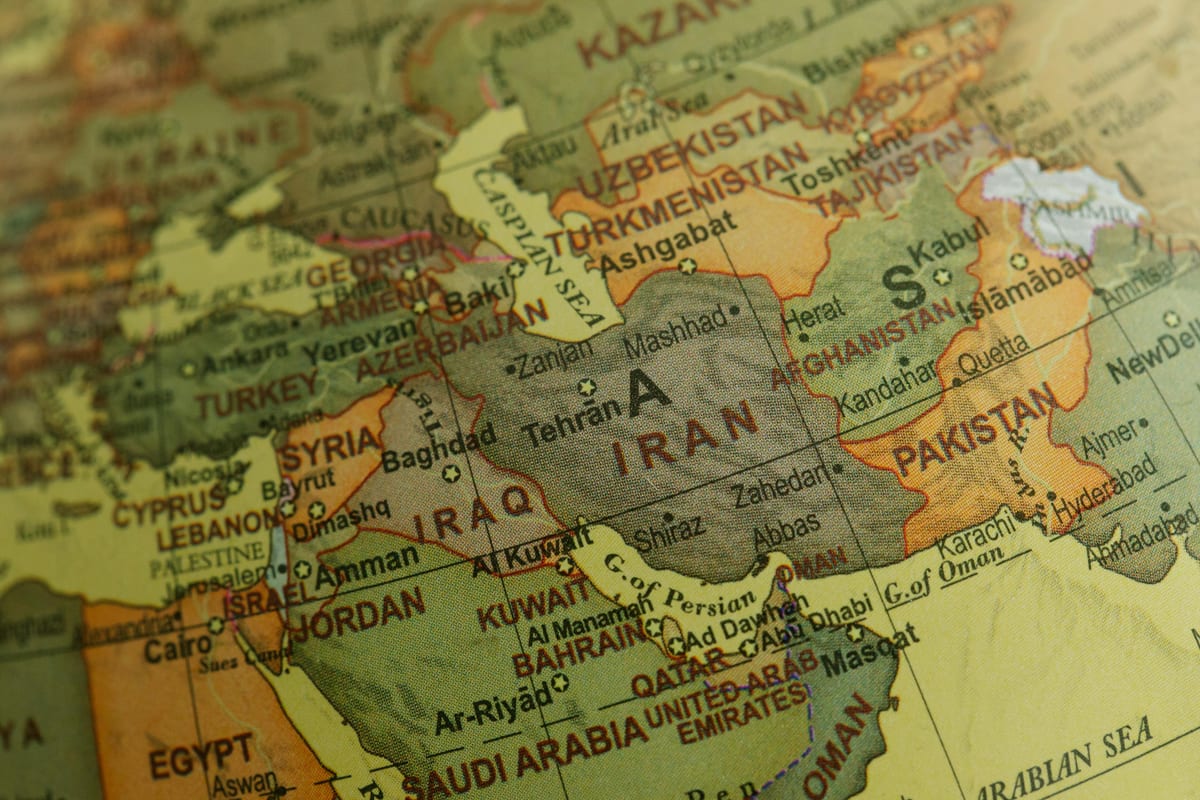
The Strait of Hormuz carries particular significance for global energy security. This narrow waterway channels approximately 20% of worldwide oil transit. Any agreement that fails to address Iranian concerns about strait sovereignty while satisfying American demands for freedom of navigation faces inherent contradictions that markets are pricing into current volatility.
Energy Security Implications for Import-Dependent Economies
For nations heavily reliant on energy imports, the current uncertainty creates profound strategic vulnerabilities. India imports 85% of its crude oil requirements while maintaining complex energy partnerships that span both sanctioned and non-sanctioned suppliers. A $150 oil price scenario would significantly impact India's trade balance, given that energy imports constitute a substantial portion of the country's external payments.
India's energy relationship with Iran operates through carefully constructed mechanisms designed to navigate sanctions while preserving legitimate commercial interests. The rupee-based payment system for Iranian oil purchases demonstrates how sovereign nations adapt to external constraints while maintaining strategic autonomy. Continued US sanctions expansion threatens to complicate these arrangements, regardless of broader diplomatic progress.
The Chabahar port project represents another dimension of Indo-Iranian economic cooperation that exists in tension with US-Iran relations. This strategic asset provides India with crucial connectivity to Afghanistan and Central Asia, bypassing Pakistani territory. Any improvement in US-Iran relations could potentially ease sanctions pressure on such infrastructure investments, while continued hostility maintains operational constraints.
Market Dynamics and Inventory Concerns
Exxon's $150 price warning reflects genuine supply-side pressures beyond geopolitical risk premiums. Global crude inventories are approaching record lows, creating minimal buffer capacity for any supply disruption. Even temporary regional conflicts could trigger price spikes that persist longer than historical patterns would suggest.
The current oil market reflects broader concerns about spare production capacity across major suppliers. Saudi Arabia and other Gulf producers have indicated limited ability to rapidly increase output, while strategic petroleum reserves in major consuming countries remain below optimal levels. These fundamentals create an environment where geopolitical events carry amplified market impact.
Trump Administration's Negotiating Strategy
President Trump's pending approval decision occurs against the backdrop of his administration's maximum pressure campaign against Iran. Vice President JD Vance assessed that negotiators are "not there yet, but very close", suggesting final terms remain under internal administration review. Trump warned that military action remains on the table if diplomatic talks fail.
This negotiating posture maintains deliberate ambiguity about American intentions, potentially designed to extract maximum concessions while preserving deterrent credibility. However, it also contributes to market uncertainty, as energy traders cannot confidently price future supply scenarios without clearer signals about diplomatic outcomes.
Regional Stakeholder Responses
The complexity of Middle Eastern alliances adds additional layers of uncertainty to any bilateral US-Iran agreement. EU foreign policy chief Kaja Kallas stated that continuing conflict serves nobody's interests, reflecting European concerns about energy security and regional stability and suggesting potential European mediation roles.
The involvement of Pakistani leadership, with Secretary of State Marco Rubio scheduled to meet Pakistani Foreign Minister Ishaq Dar, indicates how regional powers are positioning themselves relative to potential US-Iran rapprochement. Pakistan's complex relationships with both Washington and Tehran create opportunities for constructive mediation while also reflecting the broader regional realignments that any agreement would trigger.
Strategic Implications for Energy-Importing Nations
The current diplomatic uncertainty reinforces the imperative for major energy importers to accelerate diversification strategies. India's approach of maintaining multiple supplier relationships while investing in renewable energy capacity represents one model for managing geopolitical energy risks. Strategic petroleum reserves and alternative supply routes become increasingly critical as traditional supplier relationships face sanctions pressure.
For energy-importing nations, the lesson may be that diplomatic progress between major powers creates its own uncertainties. While US-Iran conflict threatens supply disruptions, US-Iran cooperation could reshape regional energy flows in ways that affect existing commercial relationships. India's maintenance of strategic autonomy in energy partnerships positions it to navigate either scenario while preserving essential supply security.
Record-low inventories, geopolitical tensions, and diplomatic uncertainty have created an energy market environment where price volatility may become the norm. For import-dependent economies, this reality demands both immediate risk management and longer-term strategic repositioning to reduce vulnerability to external supply shocks.