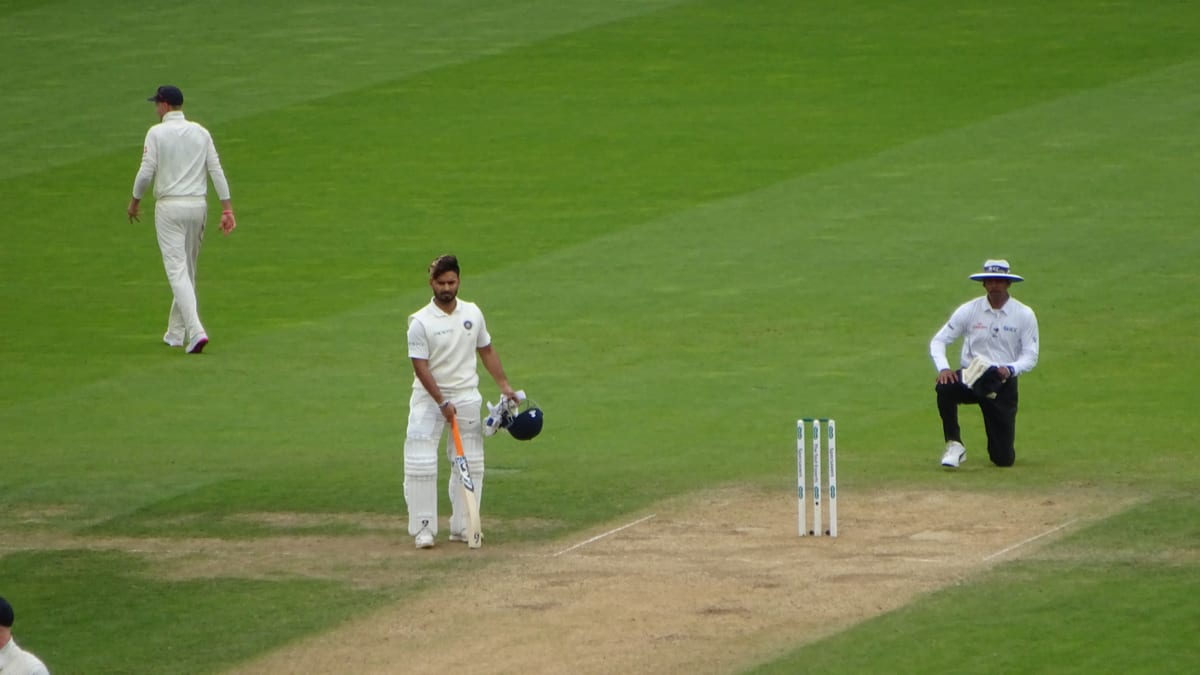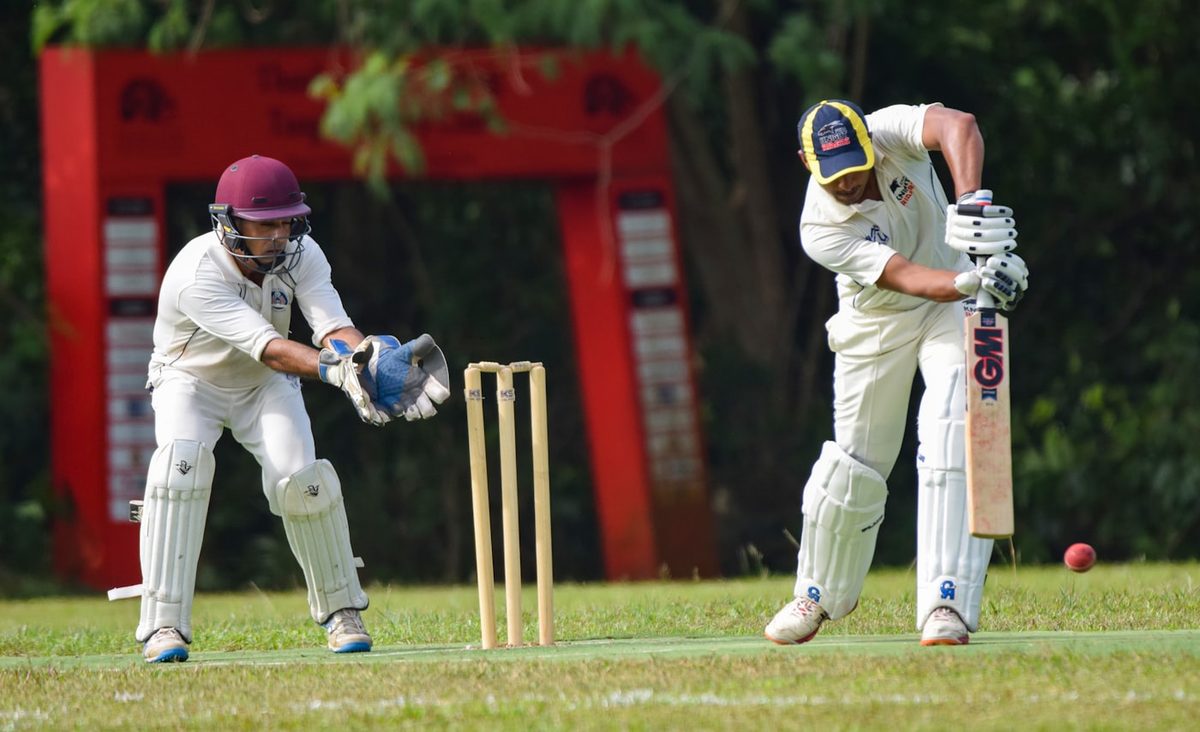
There is a particular kind of criticism that arrives not as noise but as diagnosis. When Sadagoppan Ramesh called India's T20I series against Ireland a 'picnic tour', he was not venting frustration at a scoreline. He was naming a condition — one that Indian cricket has quietly lived with for years and rarely examined with any honesty.
Ramesh played his Test cricket in an era when selection was a tightrope every single match, when a run of failures meant the dressing room door did not open for you again on your own terms. That context sits behind his words, whether he stated it explicitly or not. A man who understood the precariousness of an Indian cap does not casually watch a touring party treat foreign soil as a working holiday.
What the Ireland Tour Was Supposed to Be
Short bilateral series against lower-ranked opposition arrive in the schedule with a stated purpose: they let the team management trial combinations, give fringe players game time against live bowling, and settle the batting and bowling orders before the real examinations begin. On paper, the Ireland assignment was precisely that — a chance to look at names who hover at the edges of the World Cup squad conversation, to see whether they could sharpen an argument for selection under match conditions, however modest the opposition.
The problem, which Ramesh has articulated and which fans had already sensed, is that Ireland ranked nowhere near the level of challenge that World Cup opponents will present. When the resistance is thin, the tendency of a batting lineup accustomed to high-pressure cricket is not to manufacture intensity — it is to coast. The score gets made, the wickets fall in their time, and everyone returns to the hotel with pleasant numbers in the book and nothing genuinely learned about their own vulnerabilities.
That is the picnic Ramesh is describing. Not a failure to win. A failure to be tested.
The Rotation Problem at Its Sharpest
India's rotation policy in T20Is has attracted scrutiny for several cycles now. The logic behind it is defensible in isolation: a long bilateral calendar demands that senior players be managed carefully, that workloads be distributed, that the body of a fast bowler or the hands of a wrist-spinner not be exhausted chasing irrelevant white-ball wins in February or June. Viewed that way, resting senior players and fielding a second-tier squad against Ireland is prudent management.
Viewed from Ramesh's angle, it produces something else entirely. If the squad that tours Ireland is a B-grade combination, and if that combination treats the assignment with corresponding B-grade urgency, then no one comes home better equipped for the World Cup. The senior players who stayed back missed no relevant practice. The fringe players who travelled gained numbers, not character. And the selection conversation heading into the tournament remains exactly as unsettled as it was before the first ball was bowled in Dublin.
This is not a new tension in Indian cricket. It is, in fact, one of the sport's oldest governance problems at the highest level. A large, successful, commercially dominant team accumulates fixtures at a rate that cannot all be treated as equal. Some will always be more important than others. The question is whether the administrative and coaching apparatus has the honesty to say so — and whether the players who are sent to the lesser fixtures understand that their opportunity is real, not decorative.
The Fringe Player's Calculus
Consider what the Ireland tour meant for a player on the margins of World Cup selection. A handful of T20Is against an Associate nation: the runs scored will count, technically, toward a case being made in selection meetings. The wickets taken will appear in a column. But if the batting order was shuffled without strategic intent, if the bowling rotations were managed for workload rather than for combination-building, then the whole exercise is administrative cricket — played on a pitch, wearing whites, generating statistics, meaning little.
Ramesh's critique is most pointed precisely here. The fringe player deserves the chance to prove something, but that chance has a specific shape. It requires genuine pressure — a target that matters, a situation where a wrong choice costs the team something real. Ireland, ranked well below India, was always going to struggle to supply that pressure. The touring management's job was to create it artificially, through aggressive intent and honest stakes-setting within the camp. If that did not happen, the players on the bubble return home no clearer on their own readiness than when they left.
What Dravid's Management Must Now Answer
Rahul Dravid, as India's head coach at the time, will understand Ramesh's critique from the inside. Dravid was himself a player who extracted maximum value from every practice session, every net, every inconsequential warm-up game. His entire batting philosophy was built on the premise that preparation was not a formality — it was the match itself, run at a slightly lower temperature. If anyone grasps the gap between what the Ireland tour could have been and what Ramesh suggests it became, it is the man in the coaching seat.
The response from team management, when it comes, will likely point to outcomes — wins secured, individual scores recorded, combinations trialled. That is the official language of tour reviews. But Ramesh is not asking about outcomes. He is asking about attitude. And attitude does not appear in scorecards.
Ajit Agarkar and the selection panel face a harder question still. The Ireland squad was assembled with specific names, specific roles in mind. When the World Cup squad is eventually finalised, every name from that touring party either makes it or does not. If the players who featured in Dublin are left out, the tour's preparation rationale collapses entirely. If they are included, the World Cup group stage will be their first genuine examination — and Ramesh's fear will have been justified in the worst possible way, on the worst possible stage.
A Pattern That Repeats
Indian cricket has navigated this cycle before. A short tour against modest opposition precedes a major tournament. A former player — with nothing to protect, no contract to lose — names the complacency that insiders can see but dare not say. The management issues a measured non-response. The World Cup begins. And then the early performance either buries the critique or resurrects it with compound interest.
What Ramesh has done, by speaking when others stay quiet, is set a marker. If India's T20 combinations look unsettled in the opening group games, his 'picnic tour' phrase will return — not as a provocative headline but as the phrase that named the problem weeks before the problem became visible. Former players who reach for that kind of bluntness are not courting controversy. They are doing the most useful thing a person who has lived inside the machinery can do: telling the truth about it while there is still time to change something.
The genuine litmus test arrives soon enough. When India step into their first World Cup fixture, with the combinations either settled or improvised, the Ireland tour will be read backwards — either as a quiet, purposeful preparation block that the critics misjudged, or as exactly the drift Ramesh described: a picnic with stumps, bats, and the scoreboard switched off where it mattered most.