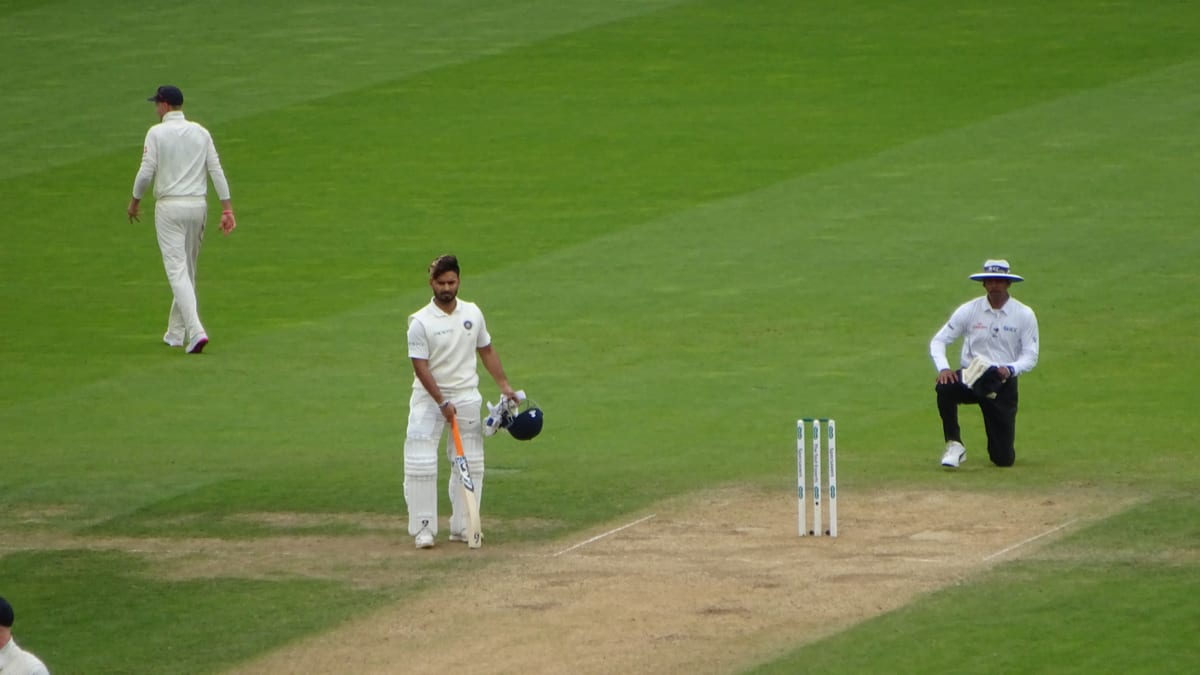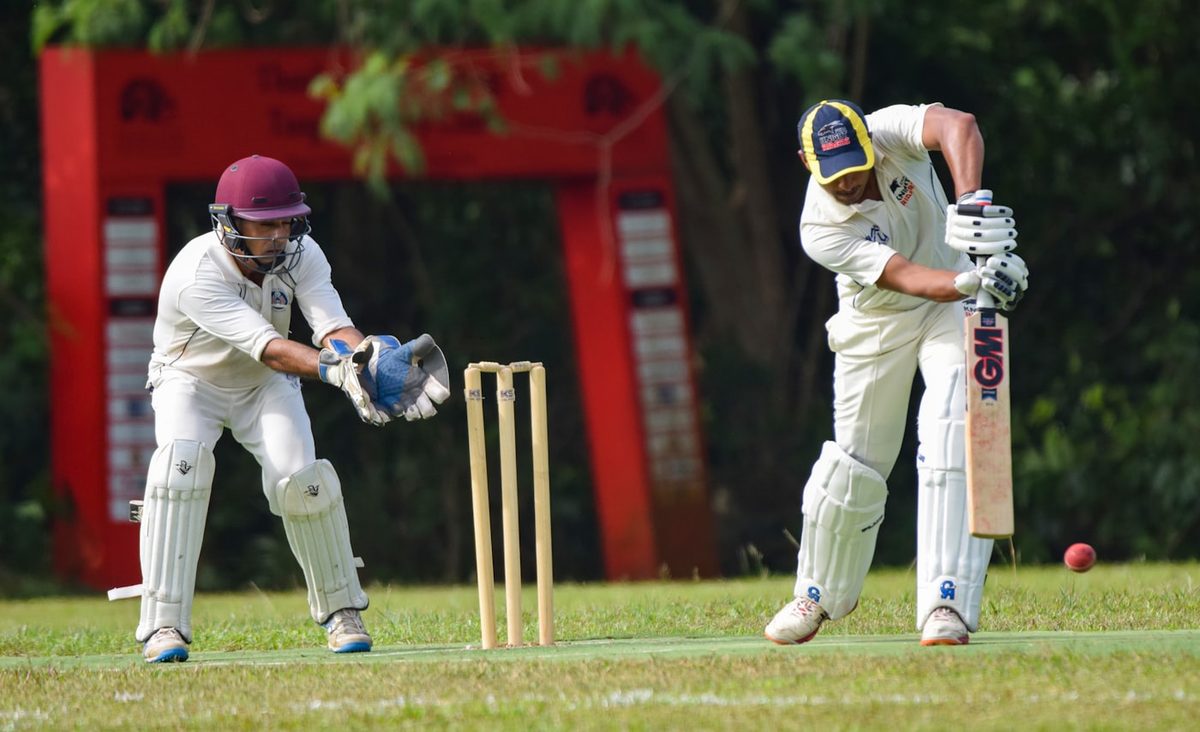
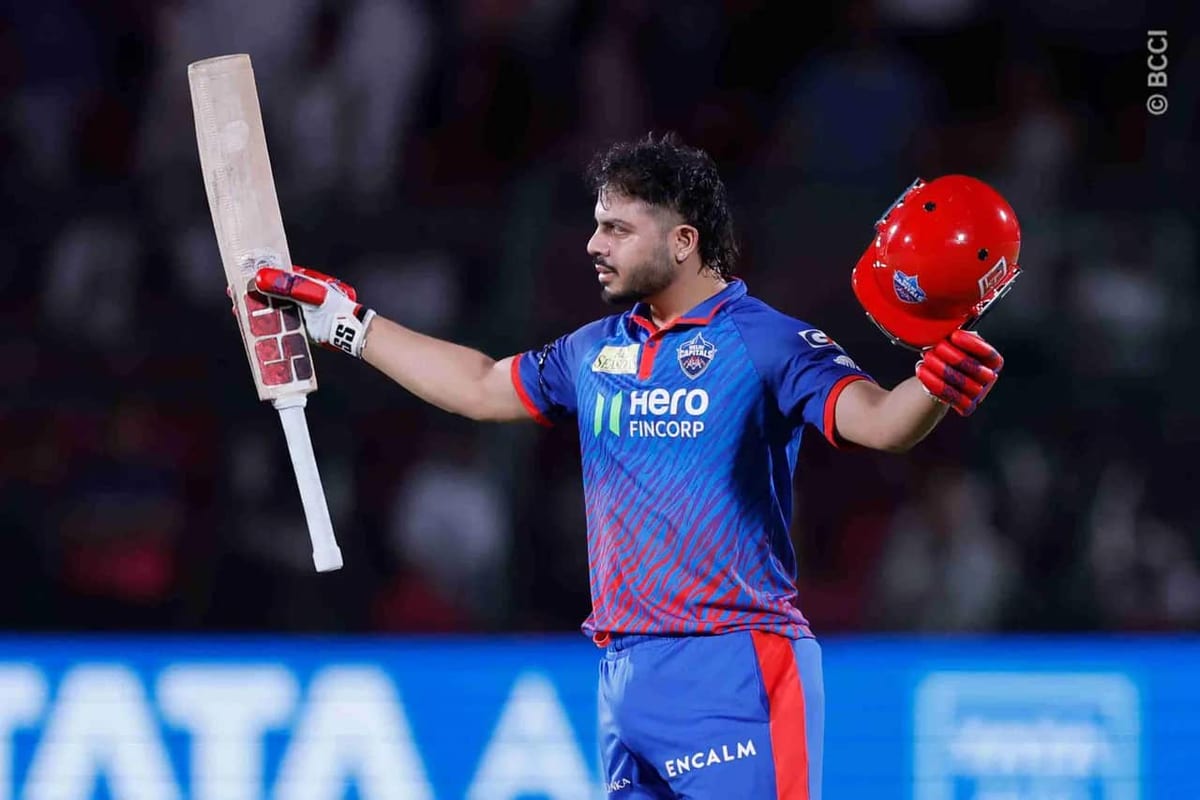
The number was specific: thirteen. Not a lot of sixes, not some sixes — thirteen, declared before a ball was bowled. When Kumar Sangakkara recalled the moment Rajvardhan Sooryavanshi told him exactly that, the anecdote travelled fast — not because a teenager said something outrageous, but because the man he said it to is one of the most technically refined batsmen the game has produced, and he did not laugh it off. He remembered it.
That specificity matters. Sangakkara, now serving as Rajasthan Royals' Director of Cricket, has seen enough batting talent across enough formats to distinguish between a teenager performing bravado and one performing calculation. Sooryavanshi looked like the second kind.
The Royals' Recurring Trick
Rajasthan Royals have run this play before. Yashasvi Jaiswal arrived at the franchise as a teenager from Mumbai's maidans, a product of a story so cinematic it resisted credibility — living in a tent, selling snacks outside a cricket ground. The Royals gave him structured exposure, and within a few IPL seasons he was batting for India at the top of the Test order. The franchise did not simply discover Jaiswal; it managed the interval between discovery and national team readiness with enough patience to let his game thicken.
Sooryavanshi, at 14, sits at an even earlier point in that arc. The question is not whether the talent is there — Sangakkara's retelling suggests it is, and Sangakkara does not trade in empty endorsements. The question is whether Royals can replicate the Jaiswal model without the luxury of a longer runway. Jaiswal had seasons to learn IPL pace before India called. Sooryavanshi is being discussed at the national level before he has played a full IPL season.
That compression is partly commercial — the IPL's appetite for sensation means a teenager who hits sixes becomes content before he becomes a cricketer — and partly structural. India's white-ball pipeline has narrowed at the top, producing a specific type: the attacking opener who scores at a rate that makes Test averages feel like a different sport. Jaiswal arrived and fit that template. Tilak Varma arrived and fit a variation. Now Sooryavanshi arrives, and the conversation is already running ahead of the evidence.
Ashwin's Counterweight
IWE covered Ravichandran Ashwin's pointed remark earlier this cycle — that there is currently no place for Sooryavanshi in the India squad. That statement did not close the debate; it recalibrated it. Ashwin was not arguing against the talent. He was arguing against the timeline, against the instinct to accelerate a 14-year-old into senior cricket because the runs looked beautiful on a highlight reel.
This is where Sangakkara's recollection becomes analytically useful rather than merely charming. The story of the thirteen sixes is a data point about how Sooryavanshi processes situations — whether he thinks in declarative, concrete terms before he acts. That kind of cognitive confidence, the willingness to pre-commit to a number and then go after it, differs from simply swinging hard. It suggests the boy is mapping the game while he plays it, which is the part that coaching can refine but rarely install from scratch.
The tension between Ashwin's caution and Sangakkara's admiration is not a contradiction. It is the same argument made from two different positions on the risk curve. Ashwin's instinct is protective — rush a teenage prodigy and you risk folding his development under expectation. Sangakkara's instinct is observational — when you see something this rare, you mark it clearly and build around it. Both positions are reasonable. Neither is complete on its own.
What the Franchise Owes the Player
Royals have earned credibility on this question. The franchise's willingness to hand Jaiswal real responsibility — not token appearances, but genuine top-order slots under pressure — separated their development model from the franchises that sign teenagers and keep them at the boundary ropes for two seasons. If Sooryavanshi is the next name in that lineage, the litmus test is straightforward: does he get the ball count that matters, or does he get the kind of cameo exposure that flatters a franchise's youth narrative without actually advancing the player?
The upcoming IPL auction and squad cycles will answer that structurally. Sangakkara controls the cricket architecture at Royals. The public recall of the thirteen-sixes declaration is, read one way, a signal to the market — and to the player — that the franchise sees him clearly and is paying attention. Signals from a Director of Cricket carry weight inside an IPL ecosystem where players and agents read every public statement for subtext.
India's Batting Order Problem Is Not Scarcity
The broader issue Sooryavanshi's emergence illuminates is not whether India has enough aggressive young batsmen. It has several — Jaiswal, Tilak Varma, and now this 14-year-old from Rajasthan who tells legends he is about to hit thirteen sixes. The issue is sequencing: how does a team integrate multiple aggressive, top-order-oriented players without creating positional gridlock, and without burning one of them through premature exposure?
India's T20I structure has not fully resolved this. The batting order in white-ball cricket rewards players who can anchor the powerplay and accelerate through the middle — a dual-mode skill that Jaiswal has developed but that takes time to construct at international pace. Sooryavanshi, at his age, is presumably still in the phase where the aggression runs ahead of the management, which is fine. That is precisely what you want at 14. The Royals' job is to preserve that instinct while building the decision-making layer around it — when to go after those thirteen sixes, and when to bank five and reassess.
Sangakkara himself spent a career solving exactly that problem. His batting combined expansive stroke play with a kind of ledger discipline — he knew when a risk was priced correctly and when it was not. That he is now watching Sooryavanshi declare intent in pre-match conversations and choosing to remember it publicly is a form of mentorship that operates outside the formal coaching structure. The boy will know the story is being told. That matters too.
The Number Sticks
Thirteen sixes. Not twelve, not fifteen — thirteen. The specificity is the whole point. In a system that will spend the next decade analysing Sooryavanshi's strike rates, launch angles, and match-up data, the moment he told Sangakkara exactly what he intended to do and then went out to attempt it is the anecdote that will anchor all the numbers that follow. Data systems track what happened; stories like this one track who decided.
Whether Rajasthan Royals convert that decision-making instinct into a durable India batting career — rather than a single spectacular passage of play — is the question that will take years to answer. But in a selection environment where Ashwin is urging patience and Sangakkara is quietly cataloguing audacity, Sooryavanshi has already done something significant: he has given both camps a story worth arguing over. For a 14-year-old in the Royals system, that is exactly where you want to be.