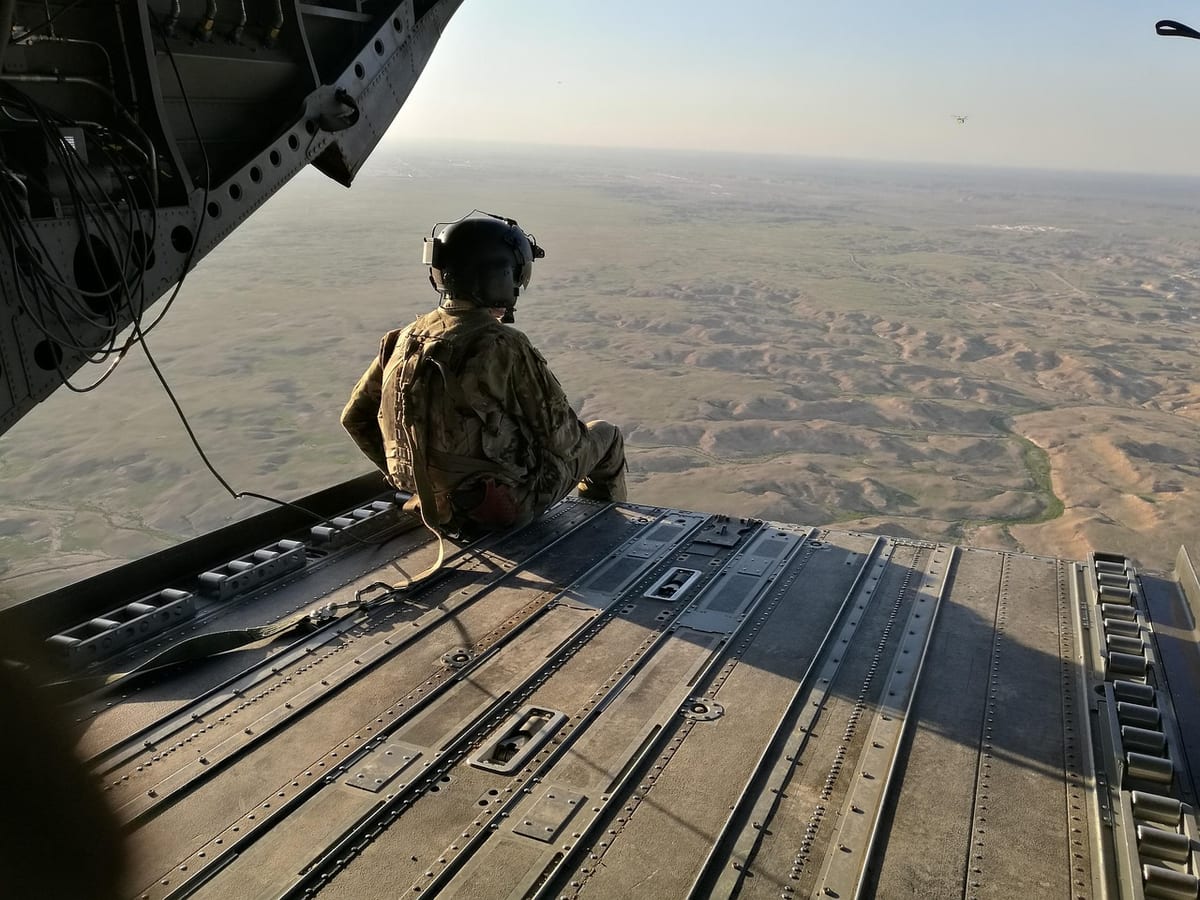
The United Nations paused on Friday to pay tribute to the more than 4,500 peacekeepers who lost their lives in the line of duty over the past 78 years. UN peacekeeping missions face mounting threats from non-state actors, sophisticated weaponry, and increasingly hostile operating environments.
For India, this recognition carries particular weight. As the second-largest contributor of troops to UN peacekeeping operations, India has deployed over 8,700 military and police personnel across 12 missions worldwide. Since 1950, 177 Indian peacekeepers have died in UN service—a toll that places India among the highest contributors of peacekeeping casualties.
The Changing Face of Modern Peacekeeping
Today's peacekeeping missions operate in fundamentally different environments than those envisioned by the UN's founders. Traditional blue-helmet operations designed to monitor ceasefires between state armies now confront asymmetric warfare, terrorist networks, and complex emergencies. The result has been a steady increase in peacekeeper casualties, particularly among personnel from major contributing nations like India.
Peacekeeping doctrine, equipment standards, and protection protocols remain rooted in Cold War assumptions. Modern peacekeepers face improvised explosive devices, suicide attacks, and sophisticated ambush tactics—threats that require advanced intelligence capabilities, modern equipment, and enhanced situational awareness that many missions currently lack.
India's Strategic Calculus
India's commitment to UN peacekeeping reflects a deliberate strategic calculation that extends far beyond humanitarian considerations. Each Indian peacekeeper deployed represents an investment in India's broader multilateral leadership aspirations, particularly its decades-long campaign for permanent Security Council membership. The visible sacrifice of Indian personnel in UN service strengthens India's argument that nations bearing the greatest peacekeeping burdens deserve commensurate decision-making authority.
While Western powers debate the merits of specific peacekeeping mandates, India demonstrates concrete commitment through personnel contributions. The country's peacekeeping record provides diplomatic capital that transcends traditional North-South divisions.
Indian military leadership has consistently emphasized the importance of pre-deployment training and enhanced Rules of Engagement for peacekeepers operating in high-risk environments. This advocacy reflects hard-earned experience from missions in Somalia, Rwanda, and contemporary operations where Indian troops face direct threats. India's institutional knowledge from these deployments positions the country to drive reforms in peacekeeping effectiveness.
The Reform Imperative
The mounting casualty figures highlighted in Friday's ceremony reveal systemic weaknesses in current peacekeeping architecture. Many missions operate with outdated mandates, inadequate resources, and unclear chains of command that leave peacekeepers vulnerable to attack. The traditional model of consent-based peacekeeping proves increasingly irrelevant in contexts where no legitimate government exists or where spoiler groups actively target UN personnel.
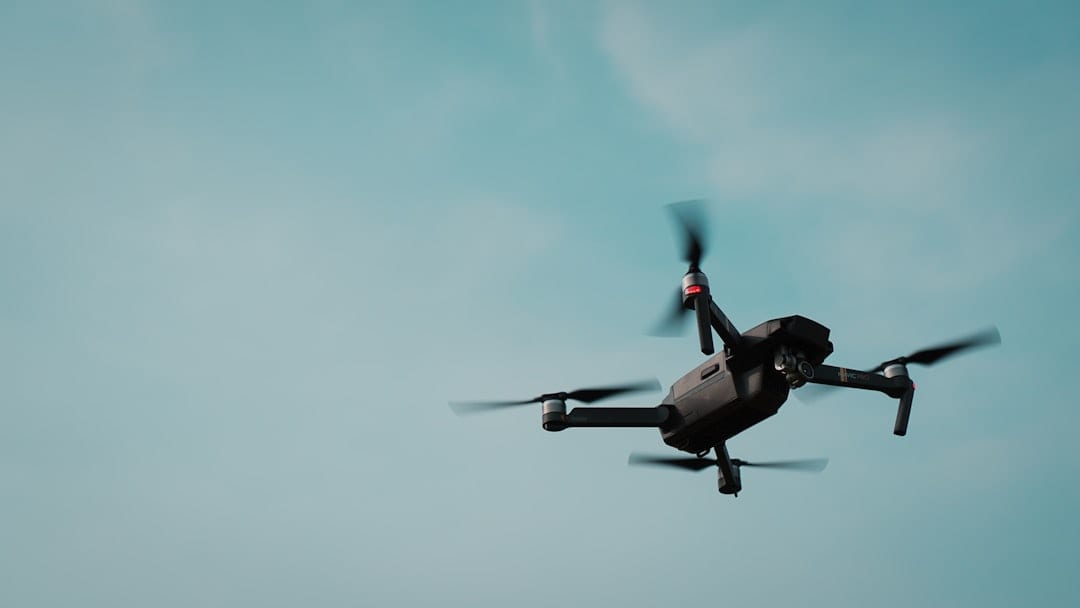
India's approach to addressing these challenges focuses on three core areas: enhanced protection protocols, improved intelligence sharing, and clearer mandate definitions. Peacekeeping operations require fundamental restructuring to match contemporary threat environments. This includes providing missions with modern surveillance technology, armored vehicles designed for asymmetric warfare, and communication systems that enable real-time coordination with UN headquarters.
The intelligence dimension is critical. Current peacekeeping operations often deploy with limited understanding of local threat networks, ethnic tensions, or political dynamics that could endanger personnel. India's extensive experience managing complex internal security challenges positions it to contribute expertise in threat assessment and community engagement that could enhance peacekeeper safety.
Diplomatic Leverage and Security Council Reform
India's peacekeeping sacrifices provide concrete evidence for its Security Council expansion arguments. While permanent members debate resolutions from New York, Indian soldiers implement those decisions in hostile environments across Africa and the Middle East. This operational commitment creates moral authority that complements India's economic and demographic credentials for permanent membership.
The current Security Council structure, designed in 1945, fails to reflect contemporary peacekeeping realities. Nations like India that provide the majority of peacekeeping personnel exercise minimal influence over mandate design or resource allocation decisions. This disconnect between operational responsibility and decision-making authority undermines mission effectiveness.
India can leverage its peacekeeping record to build coalitions among other major contributors—Bangladesh, Nepal, Pakistan, and several African nations—around shared reform priorities. These countries face similar challenges in protecting their personnel while managing domestic political pressure about foreign deployments. A coordinated approach to peacekeeping reform could strengthen India's broader UN reform agenda.
Looking Forward
The tribute to fallen peacekeepers serves as a reminder that current UN structures prove inadequate for contemporary security challenges. For India, the path forward requires converting peacekeeping contributions into sustained influence over how these operations are conceived, resourced, and executed. This means using India's operational expertise to drive discussions about mandate clarity, equipment standards, and protection protocols.
The next phase of India's peacekeeping engagement should emphasize quality over quantity. Rather than simply maintaining current deployment levels, India can position itself as the lead advocate for peacekeeping modernization. This includes developing new training protocols, sharing best practices from Indian operations, and building institutional capacity among other contributing nations.
India's peacekeeping commitment demonstrates sustained faith in collective security principles. The 177 Indian peacekeepers honored in Friday's ceremony represent more than casualties of distant conflicts—they embody India's investment in a rules-based international order that serves its long-term strategic interests. That investment now demands institutional recognition through permanent Security Council membership and leadership roles in shaping peacekeeping's future.