
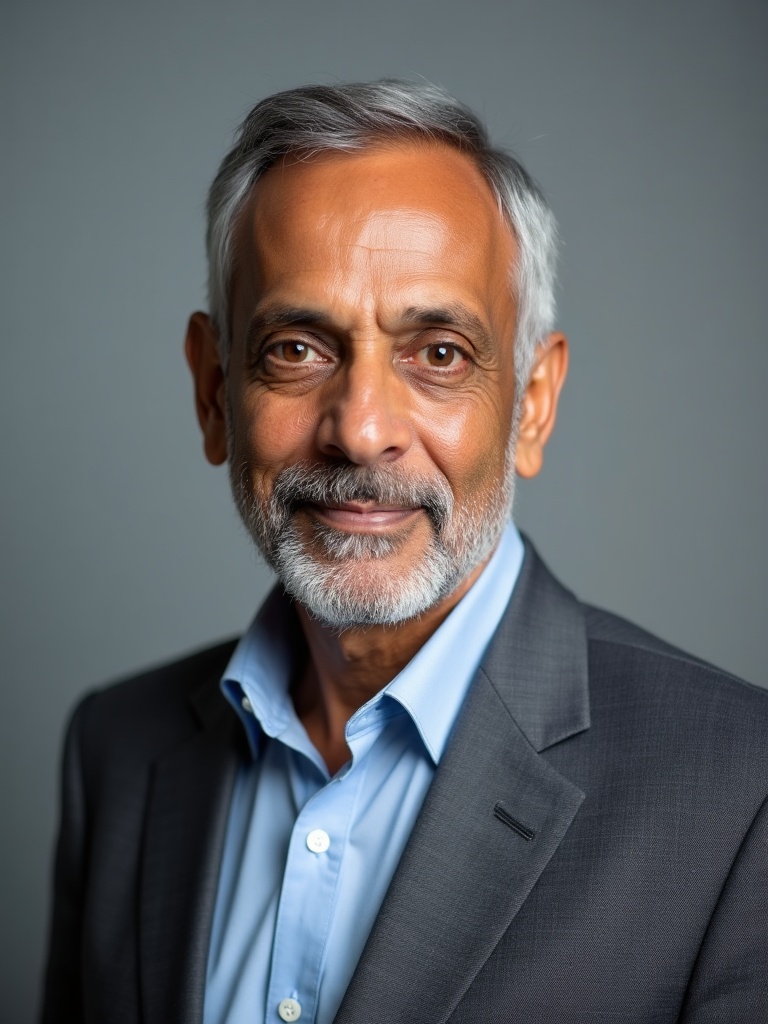
Selvam Raju is our Kuala Lumpur correspondent, covering Malaysian politics and the country's large Indian-origin community. He writes on the domestic political realignments of a crucial Southeast Asian state and their implications for Indian investors and diplomats.
Recent work
Where the Earth Turns White and Civilisation Stands Still
The Rann of Kutch in Gujarat is one of the world's largest salt flats, a landscape of astonishing beauty that transforms from a shallow sea in monsoon to a blinding white wilderness in winter. Far more than a geographical marvel, the Rann is the cradle of one of humanity's earliest urban civilisations, home to the Harappan city of Dholavira, and the living ground of artisan communities whose craft traditions have endured for millennia. Every winter, the Rann Utsav festival turns this remote frontier into a celebration of India's cultural plurality, drawing visitors into a story that is ancient yet vibrantly alive.
Mahabalipuram: Where Stone Remembers the Sea and Sky
Mahabalipuram, a UNESCO World Heritage Site on Tamil Nadu's Coromandel Coast, is one of India's most extraordinary open-air galleries of early medieval art and architecture. Shaped by the Pallava dynasty between the 7th and 9th centuries CE, its shore temples, monolithic rathas, and rock-cut sculptures are not ruins — they are a civilisation mid-conversation with the present. This article explores what makes Mahabalipuram not just a place to visit, but a place to understand.
Rishikesh: Where the Himalayas Speak and the Ganga Listens
Rishikesh, nestled in the Himalayan foothills of Uttarakhand, is one of India's most spiritually charged destinations — a living city where ancient Sanskrit wisdom, the sacred Ganga, and modern seekers of all backgrounds converge. Known as the Yoga Capital of the World, it is both a gateway to the Char Dham pilgrimage circuit and a destination in its own right. This article explores what makes Rishikesh not merely a place to visit, but a civilisational experience to undergo.
Red Fort: Where India's Soul Speaks in Crimson Stone
The Red Fort in Delhi is one of India's most iconic heritage landmarks, a UNESCO World Heritage Site that served as the ceremonial and political heart of the Mughal Empire for nearly two centuries. More than a ruin or a relic, it is a living symbol of India's layered, plural civilisational identity — the place from which a newly independent nation chose to announce itself to the world. A visit here is not sightseeing; it is a conversation across centuries.