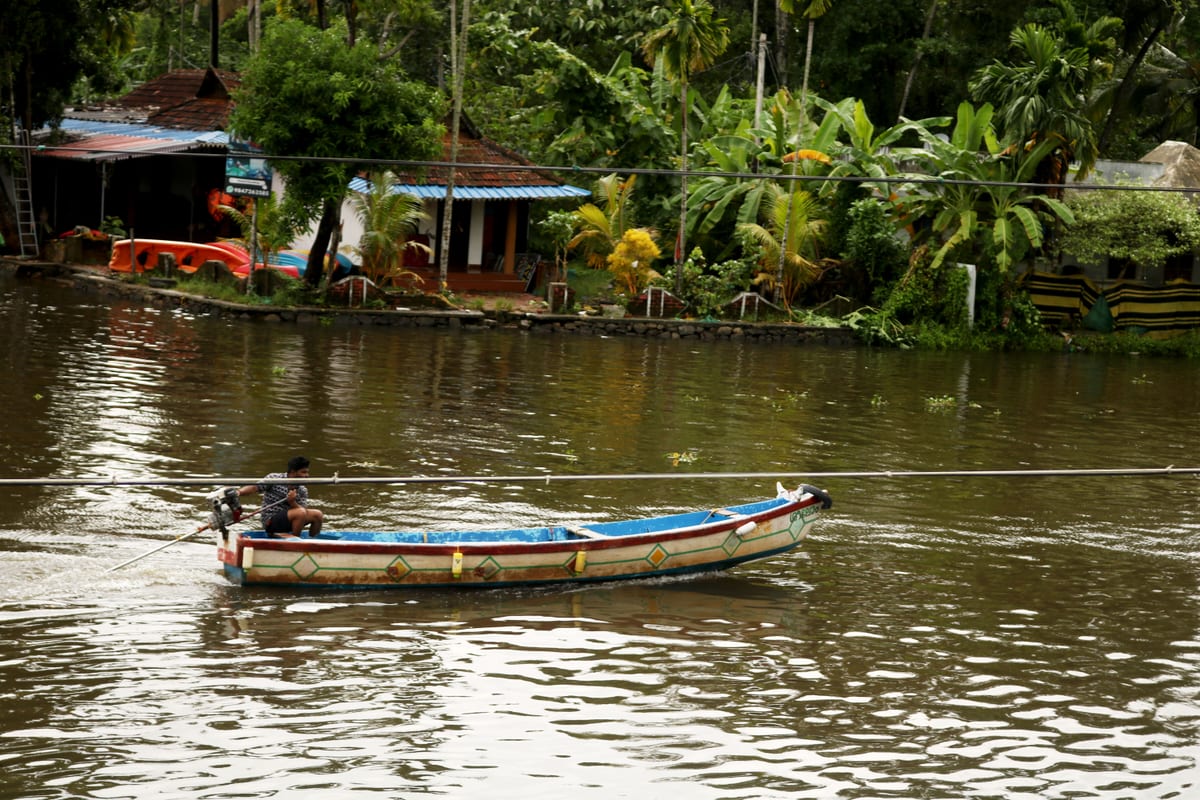
There is a moment, usually just after sunrise, when the morning mist sits low over the canals of Alleppey and the only sound is the soft dip of a pole pushing a wooden boat through still water. In that moment, you understand something that no museum can teach you: India's civilisation is not a chapter in a textbook. It is a living, breathing, floating reality, and Alleppey is one of its most eloquent expressions.
The Venice of the East, and So Much More
The comparison to Venice is flattering but incomplete. Alleppey, officially known as Alappuzha, is older in spirit and richer in texture than any European analogy can contain. Stretching along the southwestern coast of Kerala, this district has some 1,400 kilometres of interconnected canals, rivers, lakes, and lagoons. Arab merchants, Chinese traders, Portuguese adventurers, and later British colonial administrators all passed through these waters, yet the communities living along the banks absorbed every influence without surrendering their essential identity.
The Incredible India portal for Alleppey describes the destination as a place of shimmering backwaters, pristine beaches, and a rich cultural legacy. To experience it firsthand confirms that those words are geographic and historical fact.
The Backwaters: A Civilisation Built on Water
The backwaters of Alleppey are functional. Generations of Kuttanad farmers, living in one of the few places on earth where cultivation happens below sea level, have shaped this landscape through ingenious embankment systems, paddy fields reclaimed from the lake, and a relationship with water that blends agricultural science with spiritual reverence. The paddy fields of Kuttanad, often called the rice bowl of Kerala, result from an engineering tradition that predates modern hydrology by centuries.
Moving through the backwaters on a traditional kettuvallam, the iconic rice barge converted into a houseboat, is a civilisational immersion. These vessels were once the freight trucks of Kerala, carrying rice and spices along water highways before roads existed. Today, they carry travellers instead of cargo, but the craft of building them, caulking the hull with coconut fibre and cashew nut oil, remains a handed-down art practised in the boatyards of Alleppey's villages.
The Nehru Trophy Boat Race: Democracy on Water
Arrive in Alleppey in August to feel India's pulse quicken. The Nehru Trophy Boat Race, held annually on Punnamada Lake, is one of the most electrifying sporting and cultural events in the country. Long snake boats, some stretching over thirty metres, are powered by over a hundred rowers moving in perfect synchrony to the rhythm of vanchipattu, traditional boat songs. These are not professional athletes. They are fishermen, farmers, and labourers from competing villages, and the race is a matter of community honour that has been contested for generations.
The event was inaugurated in 1952, when Prime Minister Jawaharlal Nehru received a rapturous welcome on these same waters and was moved by the spectacle enough to donate his trophy to establish the race. The tradition of competitive rowing along these canals, however, is far older, rooted in the naval rivalries of Kerala's medieval kingdoms. The boat race is an ancient practice wearing a modern name.
Temples, Festivals, and the Sacred Calendar
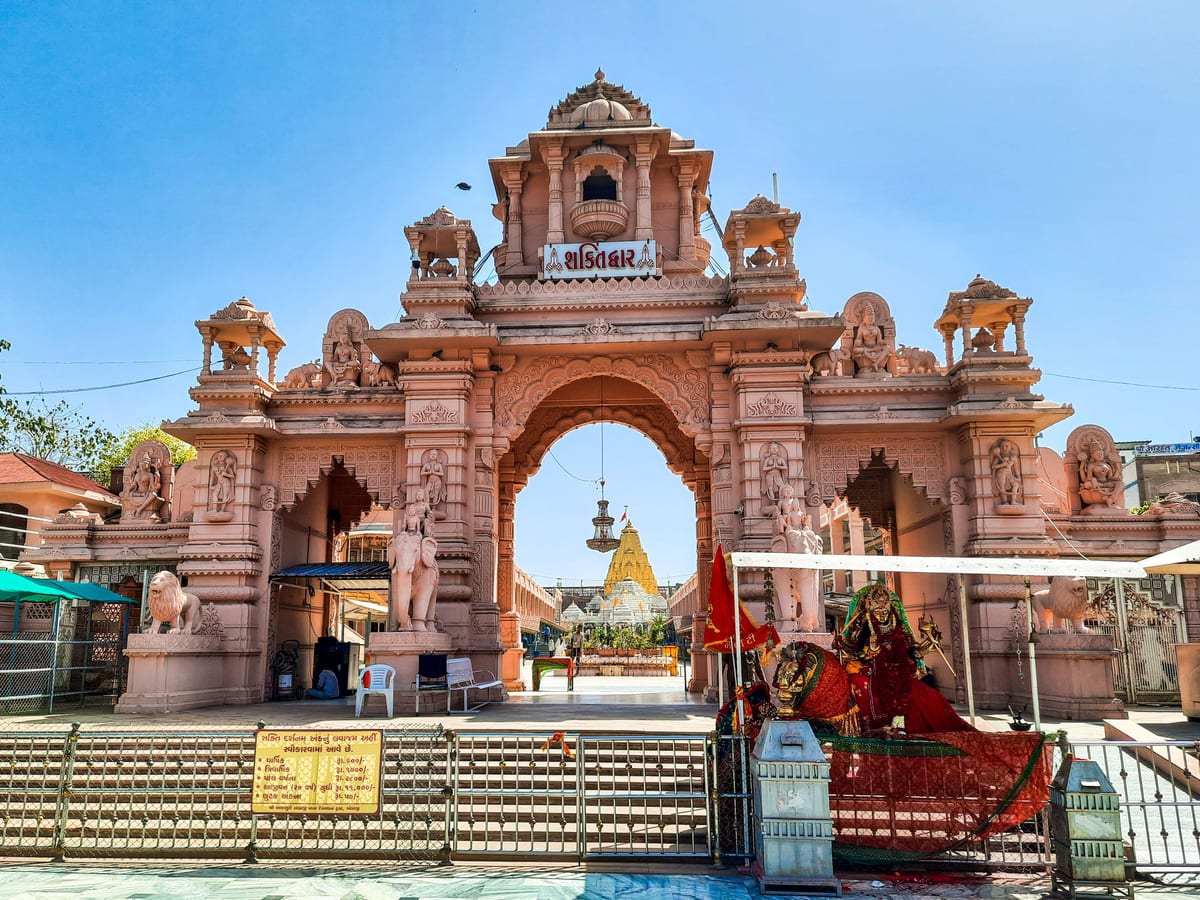
Alleppey's spiritual geography is as dense as its waterways. The Ambalapuzha Sri Krishna Temple, one of the most revered in Kerala, stands on the shores of the backwaters and is famous for its Palpayasam, a sweet rice pudding with a mathematical legend attached to it involving a chessboard and a grain of rice. The story is ancient, possibly pre-medieval, and is still told to every visitor. The Mullakkal Bhagavathy Temple in the heart of Alleppey town brings the city to a ceremonial halt each October during the Mullakkal Chirappu festival, a procession of decorated elephants, percussion ensembles, and thousands of devotees.
This is civilisational continuity in its most visible form: not recreated for tourists, but observed because it has always been observed.
Ayurveda and the Art of Restoration
Kerala has long understood the body as a landscape requiring care, and Alleppey is one of the finest places in the state for authentic Ayurvedic treatment. The combination of the region's humid climate, proximity to medicinal plants, and generations of practitioner knowledge makes the backwater retreats here genuinely therapeutic. Monsoon season, from June to August, is considered the ideal time for Ayurvedic treatment because the open pores and cool air enhance the absorption of herbal oils. Many travellers plan their visit to Alleppey around this period.
Practical Travel Notes
Best season: October through February offers the most comfortable weather, clear skies, cool evenings, and the backwaters at their most navigable. Monsoon season, June to August, is recommended for Ayurvedic retreats and carries its own dramatic beauty, with rain sheeting across the paddy fields in silver curtains. August also brings the Nehru Trophy Boat Race.
Getting there: Alleppey is approximately 85 kilometres from Kochi (Cochin), which has an international airport with strong connectivity across India and abroad. From Kochi, the journey by road or rail takes roughly ninety minutes to two hours. The town also has its own railway station on the Ernakulam–Kollam line, making it accessible from Thiruvananthapuram and other Kerala cities.
Nearby attractions: Kumarakom, another celebrated backwater destination, is just sixteen kilometres away. Marari Beach, quieter and less commercialised than Kovalam, lies to the south. The Krishnapuram Palace at Kayamkulam, an eighteenth-century Kerala-style palace housing a remarkable mural collection, is also within reach for those interested in regional art history.
Why Alleppey Matters
India is a civilisation that has absorbed, adapted, and endured across millennia. Alleppey is not a monument to that story, it is the story, still being written. Every coconut-shell lamp lit at a canal-side shrine at dusk, every fisherman casting a Chinese fishing net at dawn, every grandmother teaching her grandchild the words to a vanchipattu, these are acts of transmission happening without fanfare and without interruption. To travel to Alleppey is to witness that transmission in real time.