
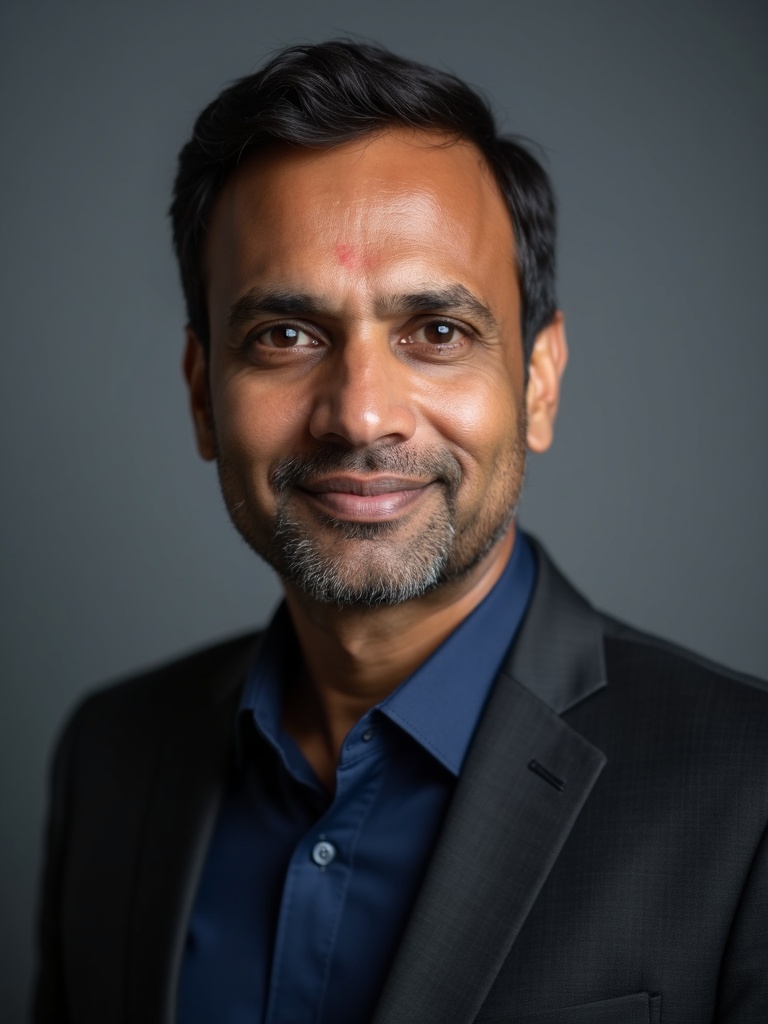
Aditya Mukherjee writes a wide-ranging column that moves between politics, culture, and the ways power presents itself in both. He has run magazines and knows how to make serious subjects read quickly without flattening them.
Recent work
Konark Sun Temple: Where Stone Sings and Civilisation Speaks
The Konark Sun Temple, a UNESCO World Heritage Site on the shores of Odisha, stands as one of the greatest architectural achievements in human history — a colossal chariot of the sun god Surya, built in the 13th century and still radiating spiritual and artistic power. Far from a ruin frozen in time, Konark is a living testament to India's civilisational genius, where astronomy, theology, sculpture, and statecraft converged in breathtaking harmony. This article explores its history, cultural soul, what visitors experience, and why every Indian — and every curious traveller — owes this monument a pilgrimage.
Hawa Mahal: Where Rajputana Grandeur Meets the Open Sky
Hawa Mahal, the Palace of Winds, rises from the bustling streets of Jaipur like a sandstone fever dream — 953 latticed windows catching the breeze, five centuries of Rajput imagination made permanent in pink stone. Built in 1799 by Maharaja Sawai Pratap Singh, it was designed so royal women could observe street life without being seen, a detail that speaks volumes about the social architecture of its era. Today it stands not as a relic but as a living symbol of India's civilisational genius — the fusion of beauty, function, and cultural code in a single breathtaking structure.
Hawa Mahal: Where Rajputana Grandeur Meets the Wind's Embrace
Hawa Mahal, the iconic 'Palace of Winds' in Jaipur, Rajasthan, is one of India's most recognisable architectural masterpieces. Built in 1799 by Maharaja Sawai Pratap Singh, its 953 latticed windows were designed to let royal women observe street life while remaining veiled from public view — a structure where social custom, aesthetic genius, and engineering ingenuity converged. Today it endures not as a relic but as a living emblem of India's unbroken civilisational imagination.
Where the Earth Meets the Sky: Rann of Kutch Endures
The Rann of Kutch in Gujarat is one of the world's largest salt marshes, stretching across a shimmering horizon where land and sky dissolve into each other. Far from being a barren wasteland, it is a living testament to India's civilisational depth — home to ancient crafts, nomadic communities, and a festival that draws the world. For the traveller who seeks meaning alongside beauty, the Rann offers both in abundance.
Madurai: Where Civilisation Never Stopped Being Alive
Madurai is one of the oldest continuously inhabited cities in the world, a place where the Sangam period's literary traditions, Dravidian temple architecture, and the rhythms of daily devotion exist not as preserved relics but as breathing, practised reality. The Sri Meenakshi-Sundareswarar Temple anchors the city's spiritual identity, while the Thirumalai Nayak Palace speaks to its regal and multicultural past. To visit Madurai is to step inside India's civilisational story — not to observe it from the outside.