
India's top industrialists rallied behind Prime Minister Narendra Modi's appeal to reduce fuel and gold consumption, offering concrete investment commitments to strengthen domestic production capacity. The corporate backing gives what could have been a political appeal operational weight.
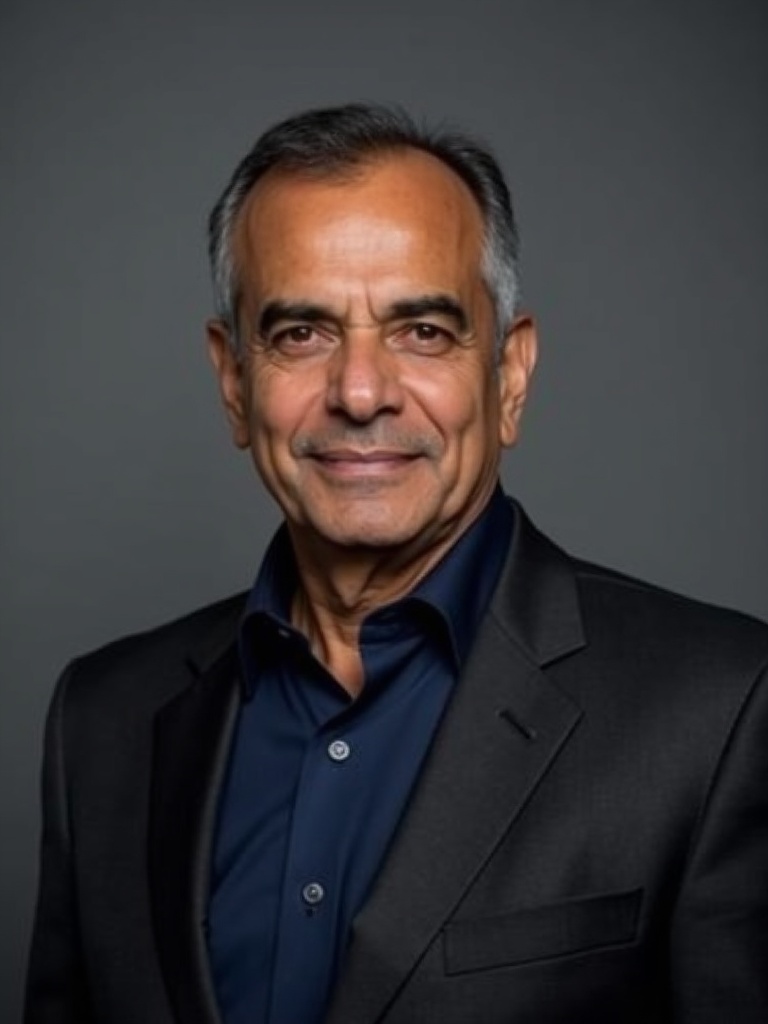
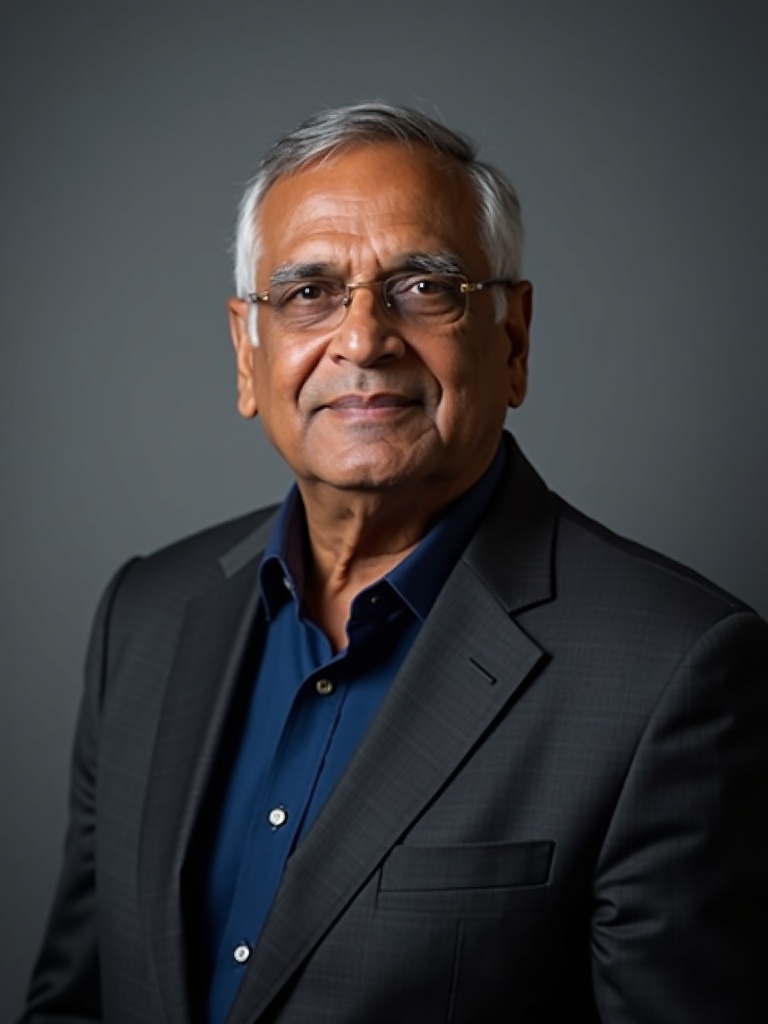
Speaking at the Confederation of Indian Industry's Annual Business Summit 2026, billionaires Gautam Adani and Sunil Bharti Mittal endorsed the Prime Minister's call for import reduction while outlining their companies' plans to accelerate domestic investment. Mittal announced that Bharti Airtel had invested ₹31,000 crore in India during FY25, with larger investments planned for FY26 and FY27.
Energy Security as National Priority
Adani framed the discussion around what he called the inseparable connection between energy and intelligence. "For any country to be truly self-reliant, it cannot depend on foreign sources for its energy and intelligence," the Adani Group chairperson said, drawing parallels between the United States and China despite their different political systems.
This framing reflects India's strategic position. The country imports roughly 85 percent of its crude oil requirements, creating a direct transmission mechanism from West Asian instability to domestic inflation and current account pressures. When conflicts escalate in the region, India's economic managers face an immediate choice: absorb the foreign exchange outflow or pass higher costs to consumers through fuel price increases.
Mittal's emphasis on renewable energy acceleration addresses the structural solution. "We need to lower our energy cost. We need to move faster towards renewable energy in our industry," he said, positioning energy transition as economic security strategy.
Import Substitution Beyond Energy
The industrialists' comments extended beyond oil to India's broader import dependencies. Mittal specifically called for reducing "this obsession of gold," targeting another major source of foreign exchange outflow that offers no productive economic return.
Gold imports present a particular challenge for India's economic policymakers. Unlike energy imports, which fuel productive economic activity, gold consumption drains foreign exchange for an asset that generates no economic output. The cultural and social significance of gold in Indian households makes this a politically sensitive area, yet Mittal's public stance suggests the business community increasingly recognizes that such consumption patterns undermine national economic strength.
Adani's broader point about building capability during peacetime rather than paying for exposure during crisis captures the strategic thinking behind this shift. India's large domestic market provides natural demand for whatever production capacity the country builds, but only if that capacity exists when external shocks hit.
Strategic Autonomy Through Economic Resilience
The convergence between corporate strategy and government policy reflects a maturing approach to economic sovereignty. Rather than pursuing autarky, India appears to be targeting selective self-reliance in areas where import dependence creates strategic vulnerabilities.
This approach aligns with India's broader multi-alignment foreign policy. By reducing critical dependencies, India enhances its capacity to maintain independent positions in international disputes without facing economic coercion. Energy security provides diplomatic flexibility that import-dependent economies cannot maintain.
The artificial intelligence dimension that Adani emphasized adds another layer to this strategy. As AI becomes central to economic competitiveness, control over both the energy that powers AI systems and the data that trains them becomes a national security imperative. Countries that depend on foreign sources for either input face potential leverage points that could constrain their strategic choices.
Business Community Alignment
The public endorsement from major industrialists suggests that India's business community views import substitution as economically viable rather than politically imposed. Mittal's investment commitments indicate that companies see domestic market opportunities that justify the capital allocation, not reluctant compliance with government preferences.
This business-government alignment strengthens implementation prospects considerably. Government policy can create incentives and regulatory frameworks, but sustained import substitution requires private sector investment and operational excellence. When major corporations commit their own capital to domestic production expansion, the policy shift gains credibility that purely governmental initiatives often lack.
The timing matters as well. Global supply chain disruptions and geopolitical fragmentations have made supply chain resilience a priority for multinational corporations worldwide. Indian companies that build domestic capabilities now position themselves not just to serve the Indian market but to become suppliers for global companies seeking supply chain diversification.
Implementation Challenges
Converting corporate enthusiasm into measurable import reduction faces several structural challenges. Energy transition requires massive infrastructure investment and technological adaptation across multiple sectors. The pace of renewable energy adoption depends not just on corporate willingness but on grid infrastructure, storage technologies, and regulatory frameworks that support distributed energy generation.
Gold consumption reduction faces different obstacles rooted in cultural practices and savings patterns. Business leaders can model different consumption behaviors, but changing household preferences requires sustained effort across multiple policy dimensions including financial market development and social messaging campaigns.
The artificial intelligence self-reliance that Adani emphasized presents perhaps the most complex challenge. Building domestic AI capabilities requires not just investment but skilled human resources, research institutions, and technological infrastructure that takes years to develop. The gap between announcing the objective and achieving meaningful capability can undermine policy credibility if expectations are not carefully managed.
Yet the corporate backing provides resources and expertise that government-led initiatives often lack. When business leaders commit to specific investment targets and timelines, they create accountability mechanisms that pure policy announcements cannot match. The question becomes whether the broader business community will follow the lead of these prominent industrialists or whether this remains primarily symbolic support.
India's capacity to reduce import vulnerabilities while maintaining economic growth depends on executing this strategy without falling into protectionist traps that reduce competitiveness. The industrial leaders' emphasis on building capability rather than simply restricting imports suggests recognition that sustainable import substitution must create value, not just redirect spending. Success requires policies that enhance rather than diminish India's integration with global markets while reducing dependence on specific suppliers or supply routes.