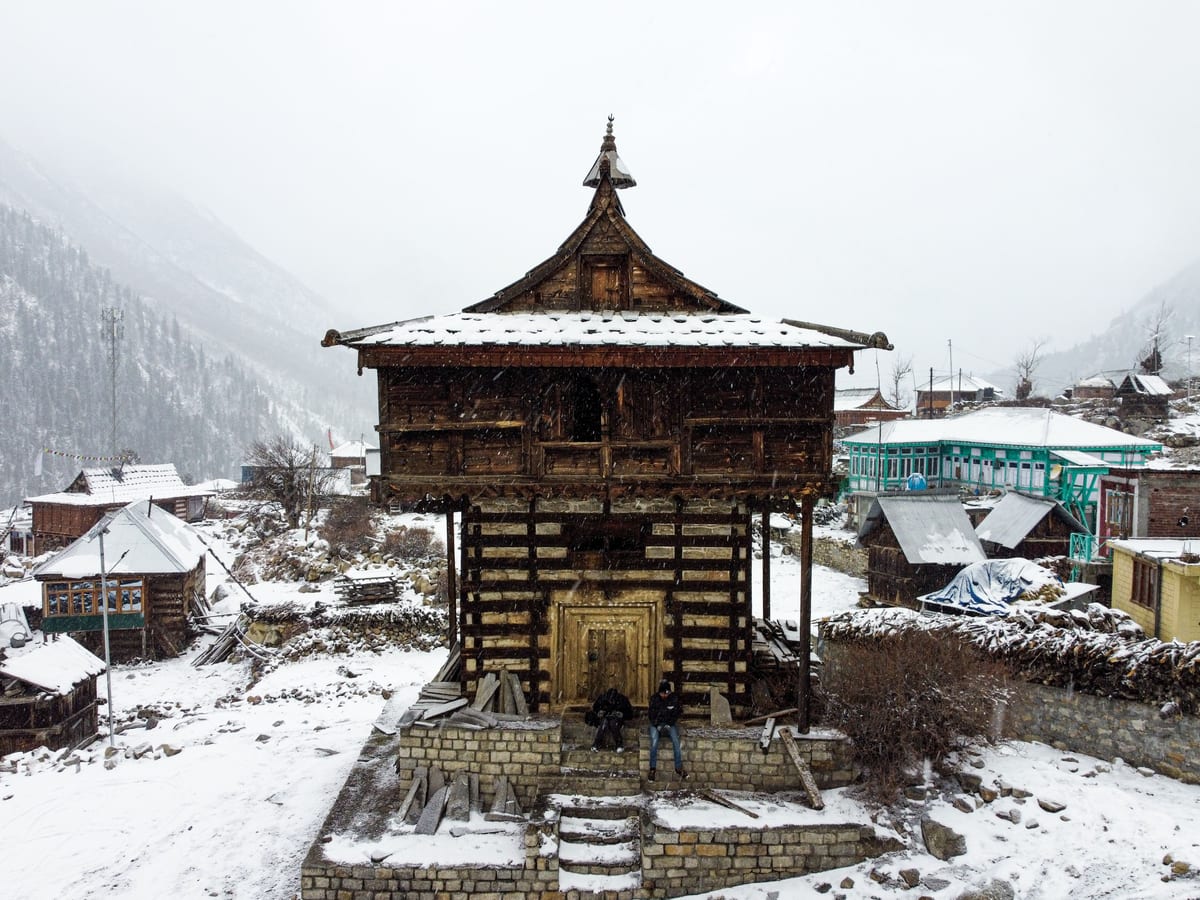
There are places in India where mythology does not feel like the past. The Hidimba Devi Temple in Manali is one of them. Step beneath the canopy of ancient deodar cedars in the Dhungri Van Vihar forest, and the air changes, cooler, quieter, dense with something that is difficult to name but impossible to ignore. When the pagoda's tiered wooden rooftop appears through the branches, darkened by centuries of incense and mountain rain, you stand in a place that is not a heritage site frozen in amber. This is a living place.
A Temple Born from Epic India
The Hidimba Devi Temple, locally known as the Dhungri Temple, was constructed in 1553 CE by Raja Bahadur Singh of the Kullu kingdom. Its origins reach far deeper, into the narrative universe of the Mahabharata. Hidimba was a rakshasi princess, sister of the demon Hidimb, who lived in the forests of what is today the Kullu Valley. When the Pandavas passed through during their exile, Hidimba fell in love with the mighty Bhima. After Bhima slew her brother in combat, they were wed, and their union produced a son, Ghatotkacha, who would later fight in the Kurukshetra war.
For the communities of the Kullu Valley, this is not distant mythology. Hidimba is a goddess, an ancestor, a protector. Her worship here is ancient, predating the temple structure itself. The Raja who commissioned the building was not inventing a new tradition, he was giving physical form to one that had existed in local memory for centuries. A tribal forest deity, a Mahabharata character, and a Rajput royal patron converge in a single structure of carved cedar and stone.
The Architecture: A Masterpiece of Pahadi Craft
The temple rises in four tiers, three square wooden storeys topped by a conical brass crown, in the distinctive Pagoda style that defines the sacred buildings of Himachal Pradesh's mountain valleys. The structure is built largely of wood. The doorframe panels are carved with exceptional detail: scenes of animals, deities, hunting, and floral patterns cover the dark timber, their craftsmanship attributed to the master carvers of the Kullu school.
There is no idol inside the sanctum in the conventional sense. The goddess is represented by a naturally occurring rock formation, a swayambhu image, that has been worshipped on this spot since time immemorial. A footprint in the rock is venerated as Hidimba's own. Animistic, tribal, and classical Hindu traditions exist within a single shrine.
A Shrine That Still Governs
What distinguishes Hidimba Temple is its continued centrality to living culture. During the Kullu Dussehra, one of India's most spectacular and UNESCO-recognised festivals, held every October in the Kullu Valley, Hidimba Devi holds a position of extraordinary honour. Her chariot is the first to arrive at the Dhalpur Maidan, the festival ground, and no other deity may precede her. This reflects an ancient compact between the goddess of the forest and the communities who have sheltered beneath her.
The temple is managed by a hereditary priest family, and the rituals observed here follow customs passed down through generations. The goddess's festival, celebrated locally in May, draws devotees from across the valley and beyond. As the Incredible India portal notes, the temple is one of the most visited sacred sites in Himachal Pradesh, not merely for its beauty, but for the depth of faith that sustains it.
What Visitors Experience
The approach to the temple is itself an experience. The forest path through Dhungri Van Vihar is lined with deodar trees that can be several hundred years old, their canopy filtering Himalayan light into something soft and contemplative. The setting is not manicured; it has the wildness of a place that belongs to the goddess before it belongs to tourism. Yaks often graze in the clearing outside the temple. Local vendors sell traditional Himachali caps and dried fruits. Priests chant inside the sanctum.
The complex also includes a smaller shrine dedicated to Ghatotkacha, Hidimba and Bhima's son, a rare instance of a son's temple standing beside his mother's. A newer structure honouring Hadimba's brother has also been added over the years. Visitors of all backgrounds, Hindu pilgrims, trekkers passing through Manali, international tourists, find themselves moved by the atmosphere here, which is devotional without being exclusionary.
Best Time to Visit and How to Get There
The most rewarding seasons to visit Hidimba Temple are late spring to early summer (May to June) and early autumn (September to October). May brings the goddess's festival, with local colour and ritual at their most vivid. October places you in the midst of Kullu Dussehra, when the valley transforms into one of India's great pilgrimage spectacles. Monsoon (July to August) brings lush greenery but can make mountain roads unpredictable.
Manali is well connected by road from Delhi (approximately 570 kilometres, typically a 12 to 14-hour overnight journey by Volvo bus) and from Chandigarh (approximately 310 kilometres). The nearest airport is Bhuntar (Kullu-Manali Airport), about 50 kilometres from Manali town. From Manali's centre, the temple is a short walk or auto-rickshaw ride away. The site sits at an altitude of roughly 2,000 metres, so first-time visitors should allow a day for acclimatisation.
Nearby Attractions
Manali and its surroundings offer considerable depth for those who wish to stay longer. The Manu Temple, believed to mark the site where the sage Manu survived the great flood, is a short walk from Hidimba. The Vashisht hot springs and temple complex reward an afternoon visit. Adventure travellers use Manali as a base for the Rohtang Pass (seasonal access), the Solang Valley, and the Beas Kund trek. The old Manali village, with its apple orchards and Tibetan-influenced cafes, offers a charming contrast to the busier tourist strip.
Why It Belongs in India's Heritage Story
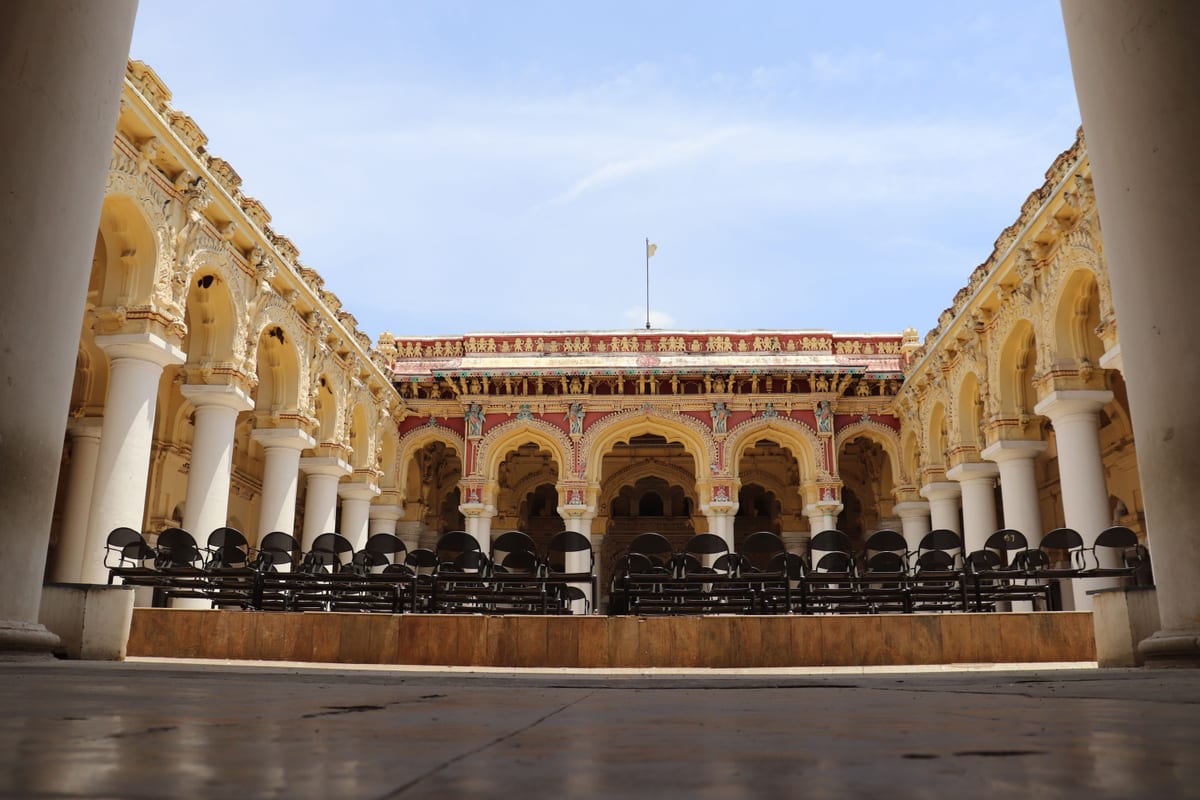
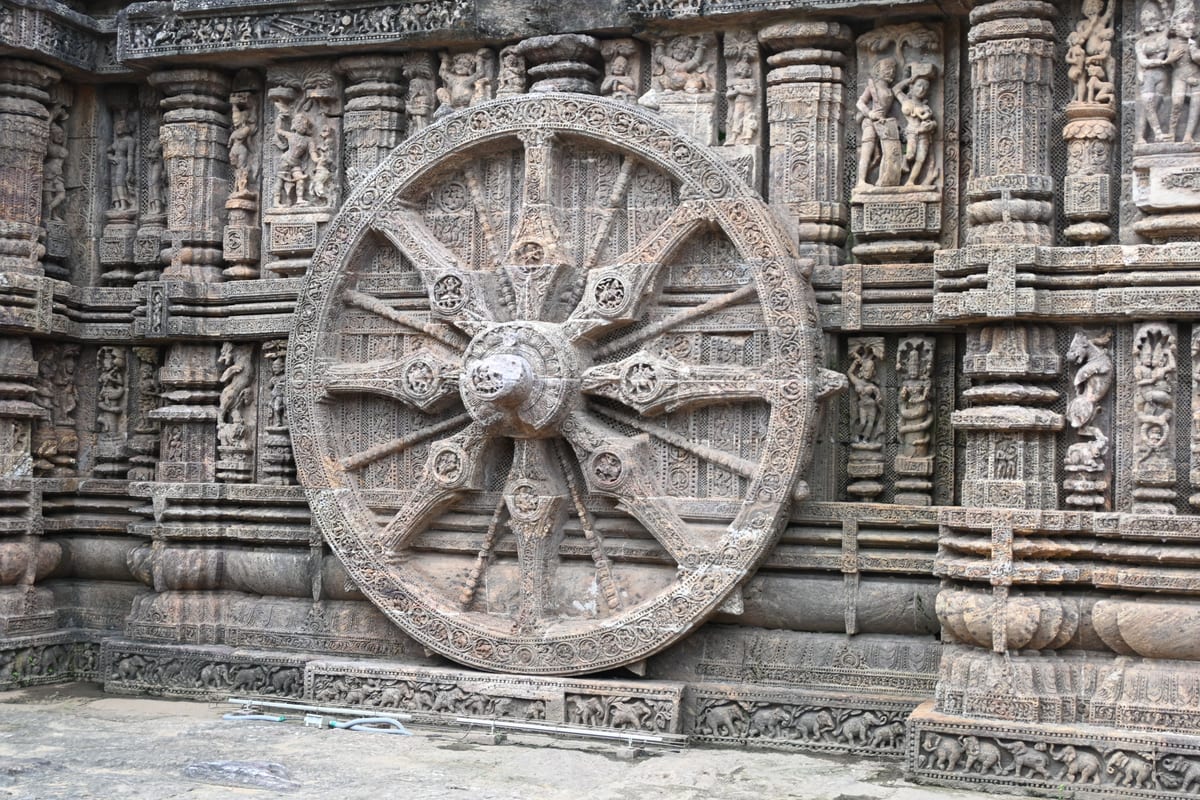
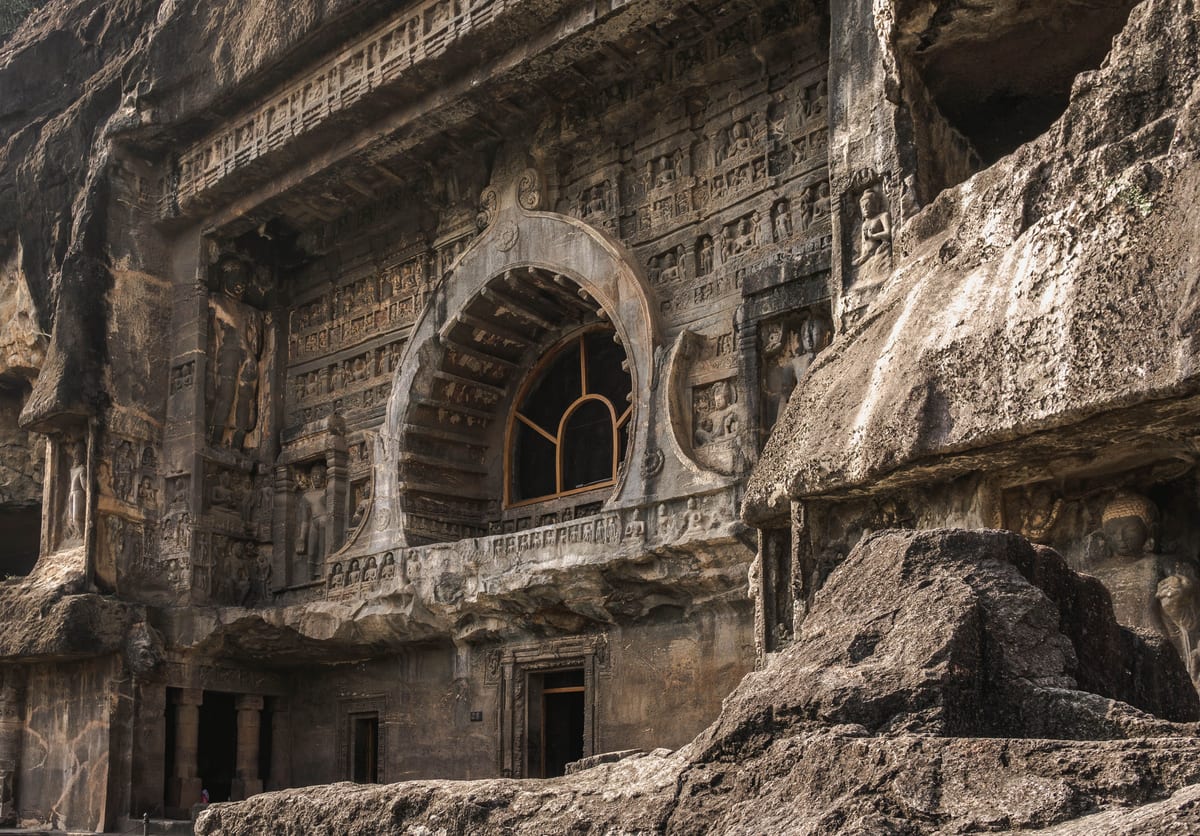
India's civilisational story is not told only in the grand temples of Tamil Nadu or the cave complexes of Ellora. It is told in a cedar-wood pagoda in a Himalayan forest, where a princess from an ancient epic is worshipped as a living goddess, where a tribal memory and a Sanskrit text and a medieval king's piety have fused into something that still carries meaning. Hidimba Temple asks visitors to hold all of these layers simultaneously. The past in India is never quite gone. It is simply waiting in the forest, patient as deodar, enduring as stone.