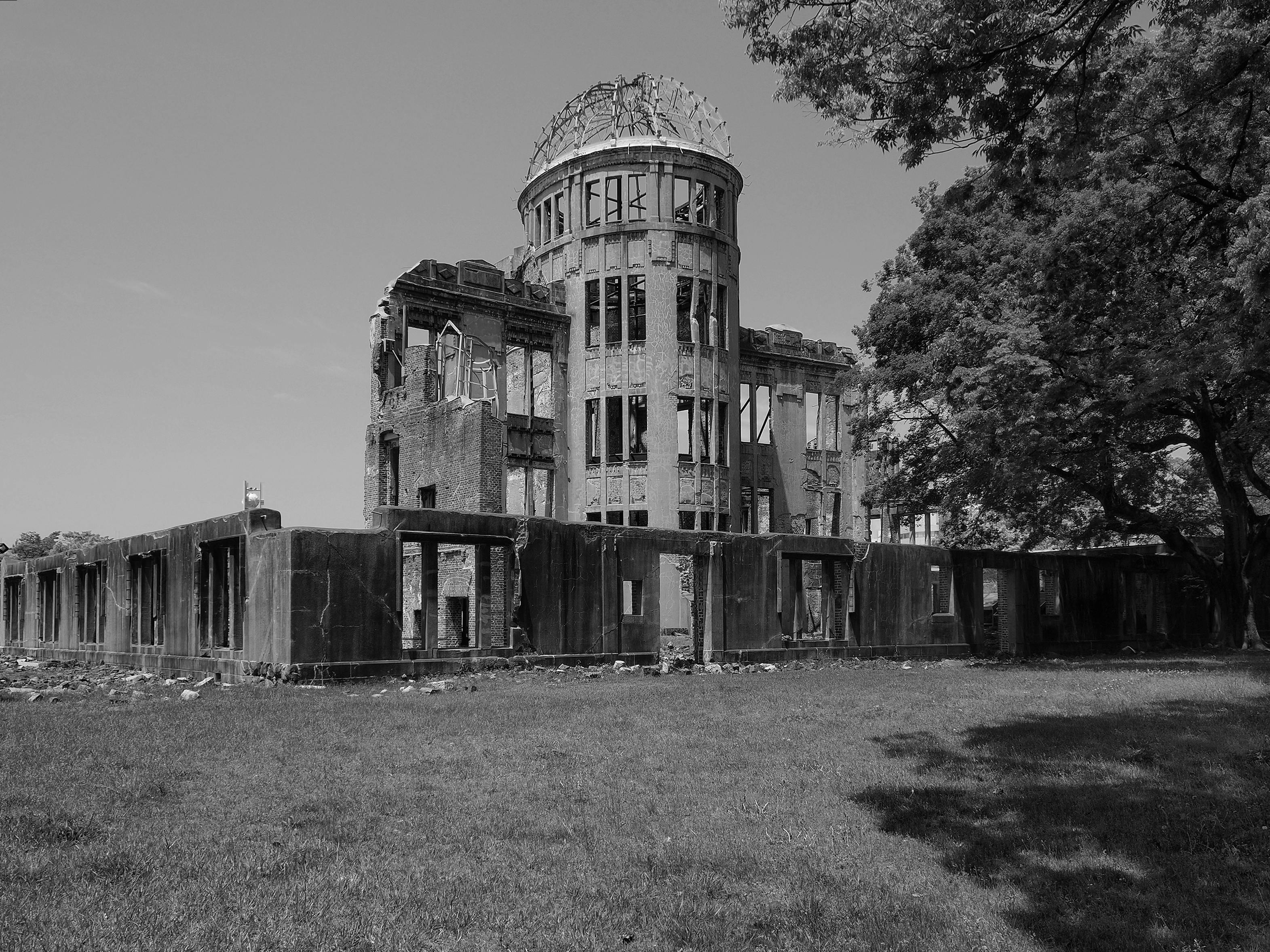
Eighty years after the atomic bombing of Hiroshima, artist Sandy Walker believes art still has the power to cut through abstraction and confront people with the human reality of nuclear violence. Her work, inspired by Hiroshima survivor Tamiki Hara's writings, transforms historical catastrophe into intimate acts of memory and attention. The project arrives as nuclear powers worldwide grapple with tensions between commemorating atomic horror and maintaining strategic deterrence.
Walker's intervention raises uncomfortable questions about how contemporary nuclear states reconcile historical memory with current doctrine. The project transforms the abstraction of nuclear warfare into personal narrative, forcing viewers to confront the human cost underlying strategic calculations. This approach creates friction with how nuclear powers—including India—position their arsenals as instruments of peace through deterrence rather than weapons of destruction.
Memory Versus Strategy
The artistic commemoration exposes a fundamental contradiction in nuclear diplomacy: how to honor the victims of Hiroshima and Nagasaki while simultaneously arguing that nuclear weapons prevent future conflicts. Walker's focus on intimate memory—drawn from survivor testimonies and personal accounts—challenges the clinical language of deterrence theory that dominates nuclear discourse.
For nuclear powers, this tension appears in policy frameworks that must simultaneously acknowledge their arsenals' destructive capacity while arguing these weapons serve defensive purposes. The gap between historical memory and strategic necessity becomes particularly acute during anniversary years, when public attention focuses on the human consequences of nuclear warfare rather than its diplomatic utility.
Walker's transformation of Hara's writings into visual art demonstrates how historical trauma can be preserved without becoming abstracted into strategic theory. This preservation of intimate memory offers a counterpoint to the rationalized calculations that guide nuclear doctrine—calculations that treat atomic weapons as tools of statecraft rather than instruments of unprecedented destruction.
India's Nuclear Paradox
India's nuclear posture embodies this same tension. The country's 'No First Use' doctrine positions its arsenal as purely defensive, designed to deter aggression rather than project offensive capability. This framing attempts to reconcile nuclear weapons possession with moral authority, distinguishing India's approach from the circumstances that led to Hiroshima.
India's emphasis on responsible nuclear stewardship reflects an attempt to separate its strategic nuclear program from the historical context of atomic warfare against civilian populations. The credible minimum deterrence doctrine explicitly rejects the massive arsenals and first-strike capabilities that characterized Cold War competition, positioning the country as a different kind of nuclear power.
Yet Walker's artistic project illuminates the inherent difficulty of this position. The human reality of nuclear violence—preserved in survivor testimonies and artistic commemoration—remains constant regardless of doctrine or strategic justification. The intimate memory that Walker seeks to preserve through art exists independently of the policy frameworks that contemporary nuclear powers use to legitimize their arsenals.
Diplomatic Implications
This tension between historical memory and contemporary deterrence doctrine extends beyond artistic commemoration into active diplomacy. Nuclear powers navigate between acknowledgment of atomic warfare's human cost and defense of their strategic nuclear programs. Anniversary commemorations become diplomatic minefields where historical memory and current policy intersect.
India's participation in global nuclear non-proliferation discussions requires careful navigation of this divide. The country must engage with the historical legacy of nuclear warfare while defending its own nuclear program as necessary for national security. This balancing act becomes more complex when artistic projects like Walker's focus public attention on the human consequences of atomic weapons.
The artistic transformation of survivor testimony into contemporary art creates new diplomatic challenges for nuclear powers. Unlike policy papers or strategic analyses, art bypasses rational argument to create emotional connection with nuclear warfare's human cost. This emotional resonance can complicate the clinical discourse that typically surrounds nuclear policy discussions.
Strategic Communication
Walker's project reveals how memory and narrative shape public understanding of nuclear weapons beyond strategic theory. The artist's focus on transforming historical catastrophe into intimate remembrance creates alternative frameworks for understanding atomic warfare that exist parallel to official doctrine. These alternative narratives can influence public opinion and diplomatic discourse in ways that formal policy statements cannot control.
For India, this dynamic requires sophisticated strategic communication that acknowledges historical memory while defending contemporary nuclear policy. The country's emphasis on responsible nuclear stewardship attempts to bridge this gap by positioning India's program within a moral framework that distinguishes it from the circumstances of Hiroshima and Nagasaki.
The artistic commemoration demonstrates how historical memory persists independently of policy justifications. Walker's work ensures that the human reality of nuclear violence remains visible even as strategic theory abstracts atomic weapons into tools of diplomacy. This persistence of intimate memory creates ongoing tension for nuclear powers that must defend their arsenals while honoring the victims of past atomic warfare.
India's nuclear doctrine reflects awareness of this tension through its emphasis on credible minimum deterrence and No First Use commitments. These policy frameworks attempt to separate India's nuclear program from the historical context of atomic warfare while maintaining the strategic benefits of nuclear deterrence. The human reality of nuclear violence, as Walker's artistic project demonstrates, persists beyond policy formulations, creating ongoing challenges for how nuclear powers reconcile historical memory with contemporary strategy.