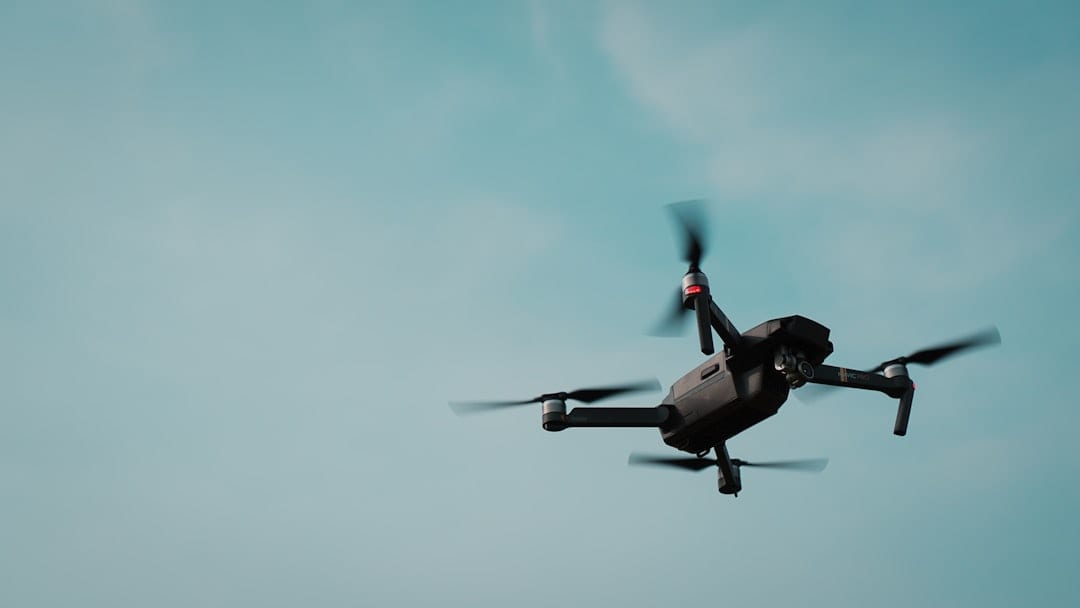
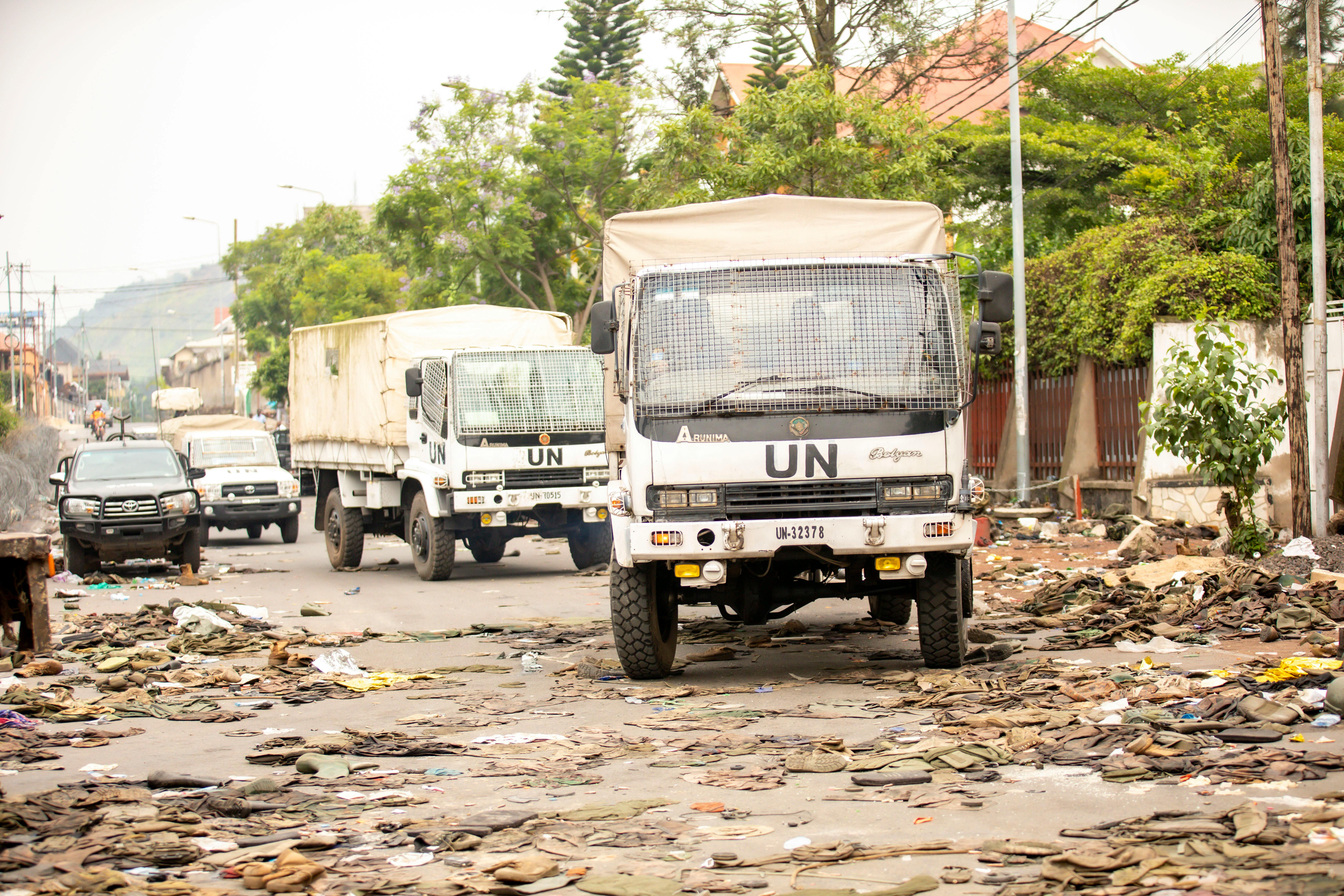
The fragile calm in southern Lebanon is unraveling once again. The UN Interim Force in Lebanon warned Wednesday that escalating drone activity and nearby explosions involving suspected Hezbollah drones and Israeli forces are endangering its personnel and threatening stability in the region.
UNIFIL, mandated to monitor the volatile Israel-Lebanon border, now operates amid increasingly sophisticated military technologies and deteriorating security conditions. Drone incidents have become a new dimension of the conflict, creating unprecedented challenges for peacekeeping forces designed for conventional military standoffs.
Technology Reshapes Peacekeeping Risks
The nature of threats facing UN peacekeepers has evolved dramatically since the mission's establishment in 1978. Peacekeepers once navigated conventional military standoffs. They now operate amid asymmetric warfare involving drones, precision strikes, and rapid escalation cycles that leave little room for the traditional buffer zones that define peacekeeping doctrine.
UNIFIL personnel must maintain neutrality while operating in environments where drone surveillance and targeted strikes blur the lines between observation and involvement. The mission's rules of engagement, designed for ground-based confrontations, offer limited guidance for aerial threats that can emerge and disappear within minutes.
Non-state actors like Hezbollah have acquired drone capabilities that rival those of conventional militaries, while state actors have developed counter-drone technologies that treat any aerial presence as potentially hostile. Peacekeepers operating between these forces face exposure to technologies that neither recognize nor accommodate their neutral status.
India's Peacekeeping Calculus Under Pressure
For India, these developments strike at the heart of its global peacekeeping identity. With approximately 900 personnel deployed to UNIFIL, India ranks among the mission's largest troop contributors. This commitment generates diplomatic influence at the UN while advancing India's credentials as a responsible global power. The deteriorating security environment, however, forces a reassessment of the costs and benefits of such deployments.
India's peacekeeping philosophy has traditionally emphasized contributing to international stability while building soft power through visible commitment to multilateral institutions. Peacekeeping contributions serve multiple strategic purposes: they demonstrate India's capacity for global responsibility, build relationships with host nations, and strengthen India's position in UN reform discussions. The exposure of Indian personnel to evolving threats complicates this strategic calculation.
The drone threat presents a particular challenge for Indian peacekeeping doctrine, which emphasizes robust rules of engagement while maintaining strict neutrality. Indian peacekeepers in Lebanon must navigate situations where the distinction between defensive and offensive capabilities becomes blurred, especially when dealing with unmanned systems that may not discriminate between military and peacekeeping targets.
Institutional Strain on UN Peacekeeping
The Lebanon situation exposes fundamental tensions within the UN peacekeeping framework. UNIFIL operates under Chapter VI of the UN Charter, which emphasizes consent, neutrality, and minimal use of force. These principles prove increasingly difficult to maintain when peacekeepers face threats from technologies that operate outside traditional military command structures.
The mission's mandate allows peacekeepers to use force in self-defense, but drone incidents create ambiguous scenarios where the source of threat may be unclear and response time limited. This operational uncertainty affects not only immediate security but also the long-term viability of peacekeeping as a conflict management tool.
Contributing nations like India face pressure to provide their peacekeepers with enhanced defensive capabilities, including counter-drone systems and improved surveillance equipment. Such upgrades risk transforming peacekeeping forces into quasi-military units, fundamentally altering their relationship with local populations and conflicting parties.
Strategic Implications for India's Global Role
The evolution of peacekeeping risks in Lebanon carries implications for India's approach to international security commitments. As India pursues permanent membership in the UN Security Council, its peacekeeping contributions serve as evidence of its commitment to global stability. Casualties or mission failures in high-profile deployments like UNIFIL could undermine these aspirations while creating domestic pressure to reduce international commitments.
India's response to the Lebanon crisis will likely influence its future peacekeeping strategy. The country may advocate for enhanced protection mechanisms for peacekeeping forces, including diplomatic immunity for defensive technologies and clearer rules of engagement for asymmetric threats. Such positions would align with India's broader emphasis on reformed multilateralism that reflects contemporary security challenges.
The drone incidents also test India's diplomatic balancing act in the Middle East. India maintains strategic relationships with both Israel and Lebanon while pursuing energy security partnerships throughout the region. The safety of Indian peacekeepers provides India with legitimate grounds to engage all parties diplomatically, potentially positioning India as a mediator concerned primarily with personnel protection rather than partisan interests.
Recalibrating Peacekeeping Commitments
The challenges facing UNIFIL reflect broader questions about the future of UN peacekeeping in an era of technological warfare and great power competition. For India, the Lebanon experience offers both cautionary lessons and strategic opportunities. The country's substantial peacekeeping contributions generate diplomatic capital, but they also create exposure to risks that traditional peacekeeping doctrine fails to address adequately.
India's approach to these challenges will likely emphasize institutional reform rather than withdrawal. The country has consistently advocated for peacekeeping mandates that reflect ground realities while providing adequate protection for personnel. The Lebanon crisis strengthens the case for such reforms while demonstrating the costs of maintaining outdated operational frameworks in evolving conflict environments.
The escalating threats to Indian peacekeepers in Lebanon ultimately test whether multilateral institutions can adapt quickly enough to remain relevant to contemporary security challenges—a question that extends far beyond peacekeeping to India's broader engagement with global governance in an increasingly complex world.