The World Health Organization concluded its response to the hantavirus outbreak aboard the cruise ship MV Hondius, successfully repatriating all passengers after a complex international operation in Tenerife. WHO officials praised Spain's leadership in coordinating the emergency response, but the incident exposed critical weaknesses in global maritime health governance that could affect international shipping networks.
The MV Hondius outbreak was the first major test of international maritime disease protocols since the COVID-19 pandemic reshaped global health preparedness. The operation required coordination between multiple national health authorities, port officials, and international agencies. It revealed significant gaps in standardized response mechanisms for ship-based health emergencies.
Maritime Health Governance Under Pressure
Spain's coordination efforts masked a troubling reality: the international community lacks robust, standardized protocols for maritime disease outbreaks. Ship-borne incidents create jurisdictional complexities that demand pre-negotiated frameworks for passenger disembarkation, medical treatment, and repatriation—complexities that land-based emergencies do not typically face.
The hantavirus outbreak showed how quickly a single vessel can become a diplomatic and logistical challenge involving multiple sovereigns. Spain's success in managing the Tenerife operation stemmed largely from its existing port infrastructure and established relationships with European health authorities—advantages not available to all potential host ports.
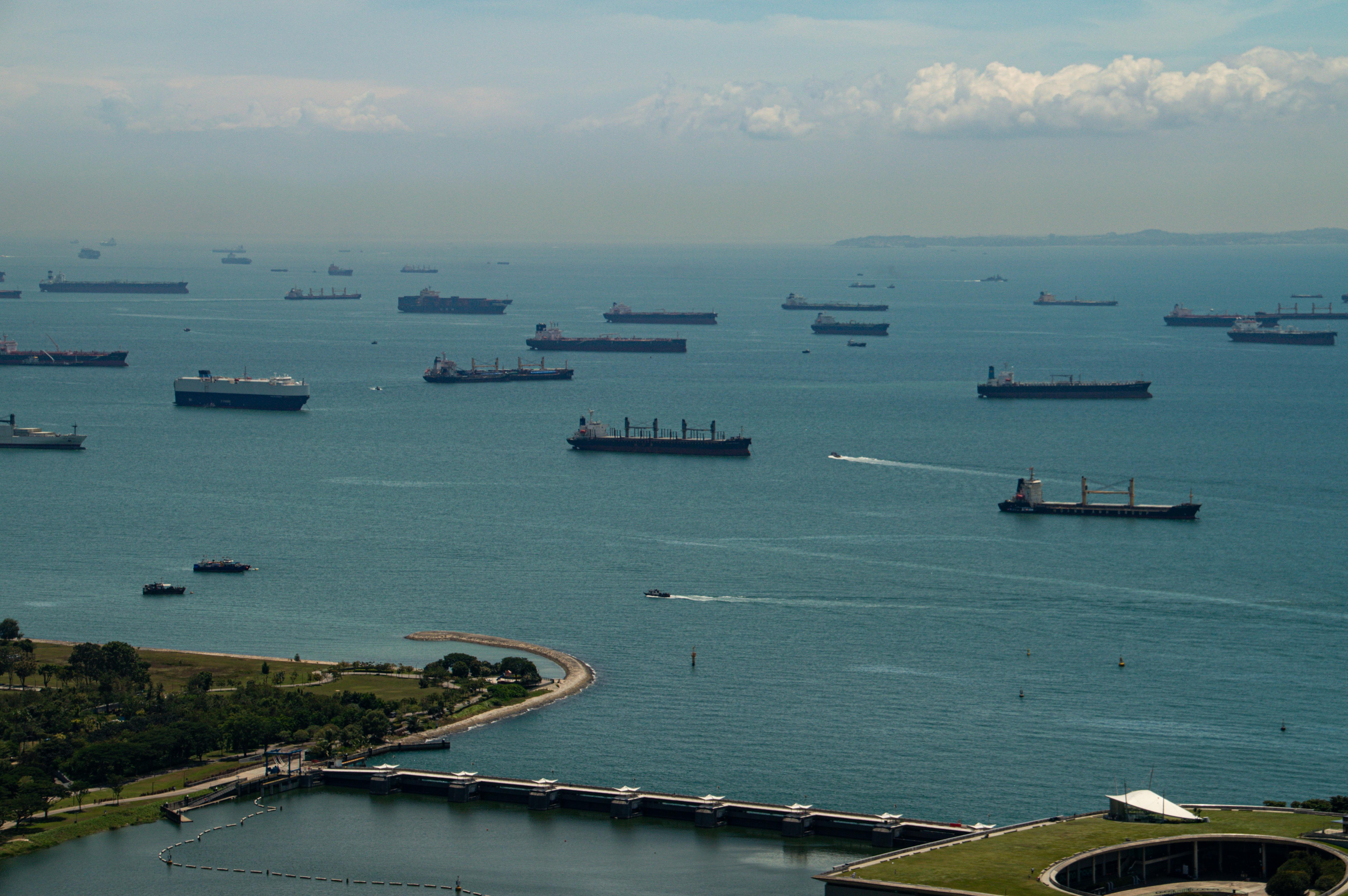
This coordination challenge is particularly acute given the global nature of modern shipping routes and cruise tourism. Ships routinely traverse multiple territorial waters, creating scenarios where disease outbreaks might occur far from ports equipped to handle complex international health emergencies. The absence of standardized protocols means each incident becomes an ad-hoc diplomatic negotiation when rapid response is most critical.
India's Maritime Vulnerability
India's position as a major shipping hub makes the lessons from the MV Hondius incident relevant for Indian policymakers. The country operates some of the world's busiest ports, handling massive volumes of international cargo and increasingly welcoming cruise tourism as part of its blue economy development strategy.
The Indian Ocean region sees substantial maritime traffic connecting Europe, Asia, and Africa. Routes through this region could easily be disrupted by ship-based health emergencies similar to the hantavirus outbreak. India's ports in Mumbai, Chennai, and Kochi regularly handle international vessels, creating potential entry points for infectious diseases that could strain local health systems without proper maritime health protocols.
India's emerging cruise tourism sector seeks to capitalize on the country's extensive coastline and cultural attractions. The government has promoted cruise tourism as part of its broader tourism development agenda, but the MV Hondius incident highlights the specialized health infrastructure required to handle passenger vessels during health emergencies.
Current Indian port health infrastructure, while adequate for routine inspections, may not be equipped for the complex logistics of mass passenger disembarkation and quarantine procedures that characterized the Tenerife operation. Coordination between central health authorities, state governments, and port operators that would be necessary in such scenarios remains largely untested.
The Multilateral Response Gap
The WHO's continued monitoring commitment following the MV Hondius operation reflects broader concerns about the adequacy of international health architecture for maritime emergencies. Despite decades of work on global health governance, ship-based outbreaks remain a gap in international preparedness frameworks.
This gap is particularly problematic given the interconnected nature of global shipping networks. A single infected vessel can potentially carry diseases across multiple continents, making maritime health surveillance critical to global pandemic preparedness. Yet the international community lacks the institutional mechanisms for real-time coordination that such threats demand.
The incident highlighted limitations in how existing international organizations address maritime health emergencies. While WHO can provide technical guidance and coordination support, actual response capabilities depend on individual nation-states and their willingness to accept potentially infected passengers and crew.
Strategic Imperatives for India
India's approach to maritime health governance should reflect its growing importance in global shipping networks and its aspirations for blue economy development. The country has advocated for strengthened multilateral institutions through forums like BRICS and the G20, positions that align with the need for improved international maritime health coordination.
The MV Hondius case suggests India should prioritize developing standardized protocols with other major maritime nations for handling ship-based health emergencies. Such agreements would need to address passenger disembarkation procedures, medical treatment protocols, and cost-sharing arrangements for international health emergencies.
Investment in specialized port health infrastructure capable of handling large-scale passenger quarantine operations would serve both India's cruise tourism ambitions and its responsibilities as a major shipping hub. The technical capabilities demonstrated by Spanish authorities in the Tenerife operation provide a template for the specialized facilities and coordination mechanisms India might develop.
India should also leverage its position in international organizations to advocate for stronger maritime health governance frameworks. The country's experience with multilateral coordination during previous health emergencies positions it well to lead discussions on standardizing international response protocols for ship-based outbreaks.
The conclusion of WHO's MV Hondius operation marks the end of one maritime health crisis, but it should prompt serious reflection on the international community's preparedness for similar incidents. For India, with its expanding maritime interests and growing role in global trade networks, the lessons from Tenerife offer both warning and opportunity: the chance to build maritime health capabilities that serve national interests while strengthening global health security.