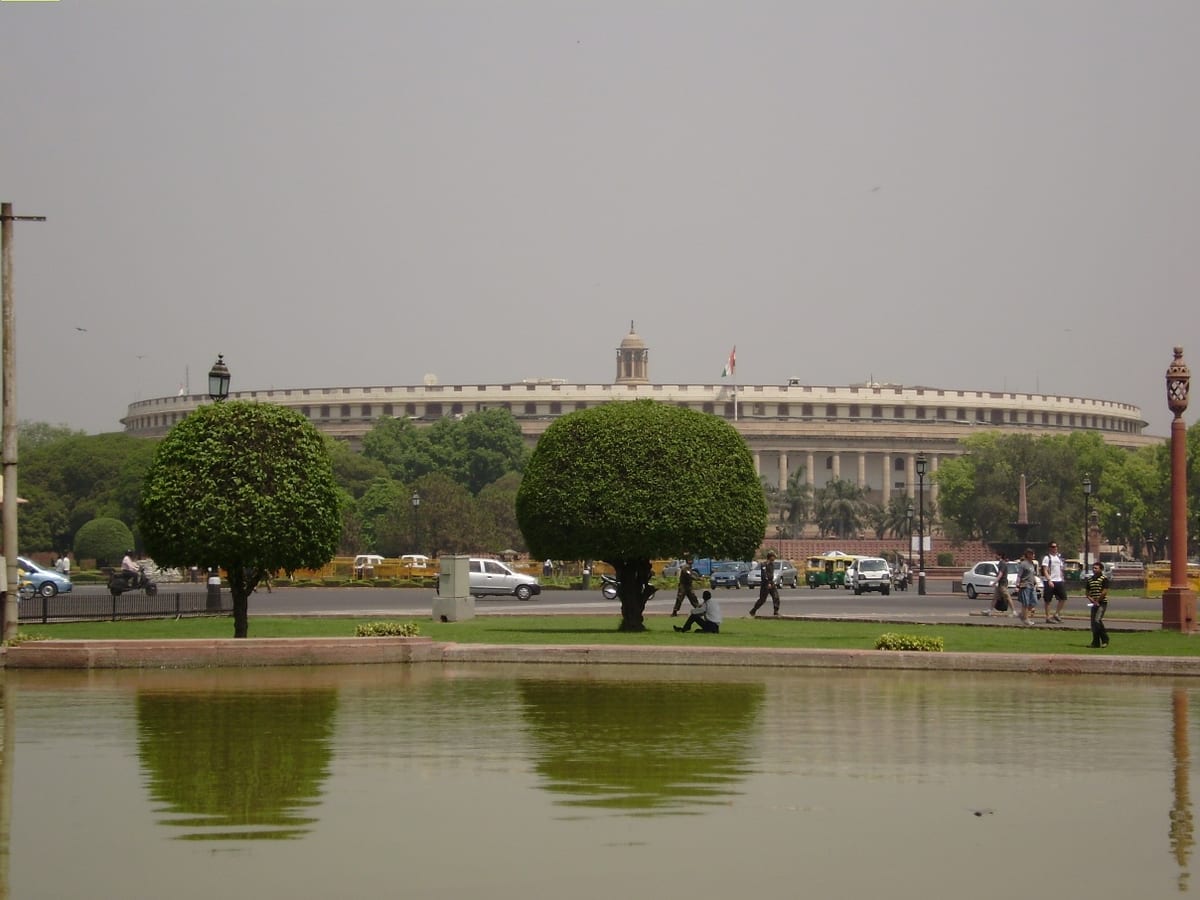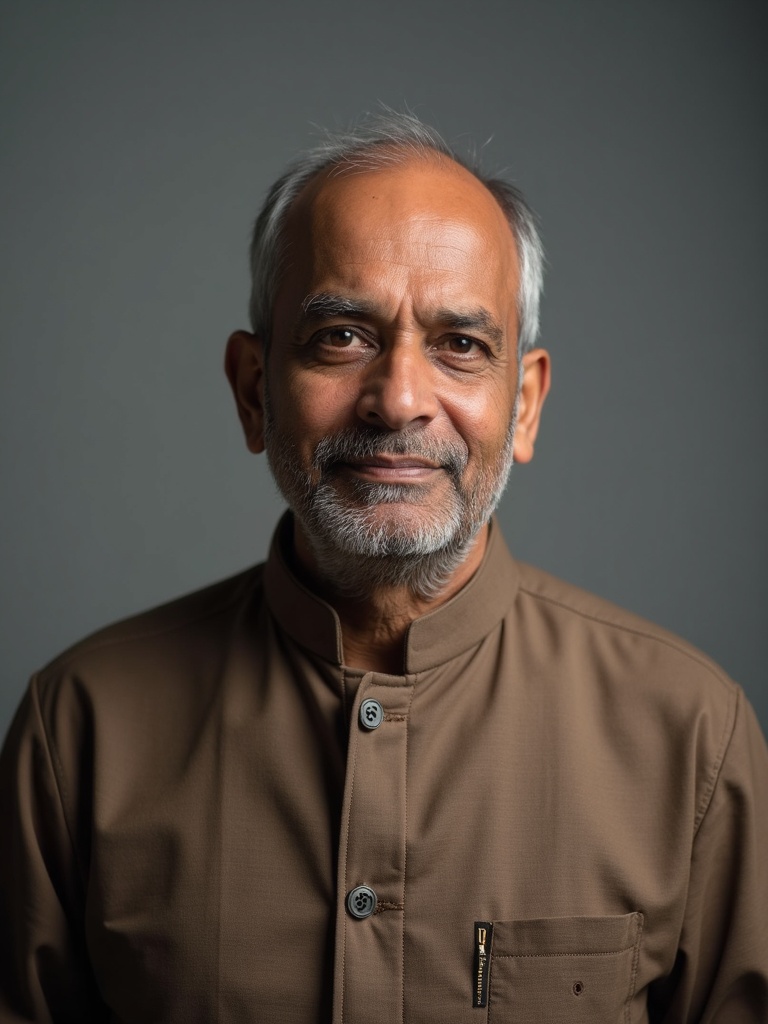

Prime Minister Narendra Modi announced Monday a $1.62 billion (24,000 crore Nepali rupee) economic assistance package to help Nepal rebuild from August's Himalayan floods, following talks with Nepalese Prime Minister Balendra Shah in New Delhi. The package includes a hydropower facility, an oil storage plant, an oil pipeline and a passenger train service. Aid alone can be disbursed and forgotten; a pipeline and a rail link require both governments to maintain the relationship.
The floods struck on August 26. They destroyed roads, bridges, power plants, farms and homes, causing an estimated $4.7 billion in losses, according to Nepali authorities. 1,500 people were killed; more than 5,200 are still missing. The UN Fund for Responding to Loss and Damage pledged about $20 million. India's commitment exceeds that international fund, though the $4.7 billion damage estimate exceeds both. Recovery in Nepal, as in other alluvial valleys, extends across multiple seasons.
"We extend our deepest condolences for the lives lost during the recent flash floods in Nepal. India announces a 24,000 crore [ ₹ 240 billion] Nepali rupees development package for Nepal," Modi said in the joint press statement.
Shah, on his first visit to India since taking office in March, thanked India for responding "in times of natural disasters and difficult hours." A youth-led uprising over corruption and nepotism forced his predecessor, KP Sharma Oli, from power six months ago. Shah came to New Delhi for aid and investment. "I warmly welcome Indian investors to Nepal to partner in the economic prosperity of our two countries in the coming days," he said. The two sides signed agreements to deepen their economic relationship.
The connectivity announcements were concrete. The two leaders virtually inaugurated a hydropower project and an oil storage facility in Nepal, along with an oil pipeline and a cross-border train service. The passenger rail link runs between Ayodhya in Uttar Pradesh and Janakpur Dham in Nepal. For residents of the Terai and the Gangetic plain, that is a shorter journey to family, temple and trade. An open border already permits people to cross without passports or visas, so the rail link upgrades the largest people-to-people corridor in South Asia from bus and foot traffic to scheduled steel.
The neighbourhood frame
India has traditionally wielded considerable influence in Nepal, but territorial disputes and accusations of political interference have strained the relationship. Monday's announcement does not resolve those issues. A flood recovery package that rebuilds bridges and power plants gives New Delhi a visible role in Nepali reconstruction without asking Kathmandu to take a side. That is the logic of the Neighbourhood First policy: do the work first, let the signalling follow.
China's infrastructure footprint across the Himalayan belt has grown through roads, hydropower and Belt and Road projects. New Delhi's response has been to offer an alternative shaped by Indian construction, Indian engineering and Indian project-management norms. S.D. Muni, a scholar of India-Nepal relations, argues that development assistance is New Delhi's most credible instrument in Kathmandu. Ranjit Rae, a former Indian ambassador to Nepal, has observed that visible, locally implemented projects matter more than aid volume for winning public trust. Both observations rest on the same practical test: whether the 24,000 crore Nepali rupees translate into rebuilt wards and functioning culverts before the next monsoon.
The flood package also protects Indian border districts
The Terai floods do not respect the border. River systems that begin in Nepal's mountains terminate in Bihar and Uttar Pradesh. Rebuilding embankments and upstream works in Nepal is not foreign aid in the conventional sense; it is flood protection for Indian districts downstream. India has long funded river training works and disaster resilience north of the border on this basis. A package that repairs upstream damage reduces the volume of water, silt and debris that would otherwise arrive in Indian floodplains during the next heavy monsoon.
The hydropower project and oil pipeline address two sides of the same energy security question. Nepal has surplus hydro potential and a chronic fuel import bill paid through India. Indian utilities are the natural buyer for Nepali power in the sub-regional grid, and Indian investment in Nepal's hydropower has expanded as matching generation capacity in northern India has grown. A rail link and a pipeline reinforce the same pattern: Nepal's geography binds it to Indian markets, and Indian infrastructure can make that bind profitable rather than merely inevitable.
Delivery is the real confirmation
The arithmetic is unforgiving: $1.62 billion against $4.7 billion in losses means choices, not blanket reconstruction. The package should be structured as project-based grants with transparent monitoring and local hiring. A single transfer to Kathmandu risks the same fate that has slowed post-disaster recoveries across South Asia: procurement delays, land disputes, and political rationing of contracts. Dividing the money into named projects, with local agencies responsible for delivery, creates accountability that a centralised lump sum cannot.
Nepal's provincial and municipal governments, created under the 2015 constitution, hold real authority over local infrastructure and land. Coordinating with them is not a bureaucratic nicety; it is the difference between a bridge that opens and a foundation that floods again. India's own experience with Himalayan disaster recovery has taught the same lesson in reverse: federal money works when district and municipal engineers are empowered, not bypassed. The open border cuts both ways: poor delivery in Nepal's districts will be visible from Balrampur and Siddharthnagar just as clearly as from Kathmandu.
Indian construction and engineering firms should find room in this package, not as charity contractors but as commercial partners. Shah's invitation to Indian investors is the opening; the actual tender documents will determine whether it was rhetoric. If Indian companies rebuild hydropower and roads in Nepal, the two economies integrate through payrolls, supply chains and maintained assets, not headlines. That is the strongest answer to any alternative infrastructure outreach in the Himalayan belt.
What the next monsoon will judge
The package's real test will arrive with the next monsoon. If Indian-built bridges survive it and Nepali municipalities can point to reconstructed wards, India will have strengthened its neighbourhood standing without a single speech about it. If the money stalls in Kathmandu's procurement machinery, the open border will hear about it from traders, labourers and returning migrants long before any ministry issues a statement. For now, the announcement is a commitment. The engineering season will decide whether it becomes a fact.