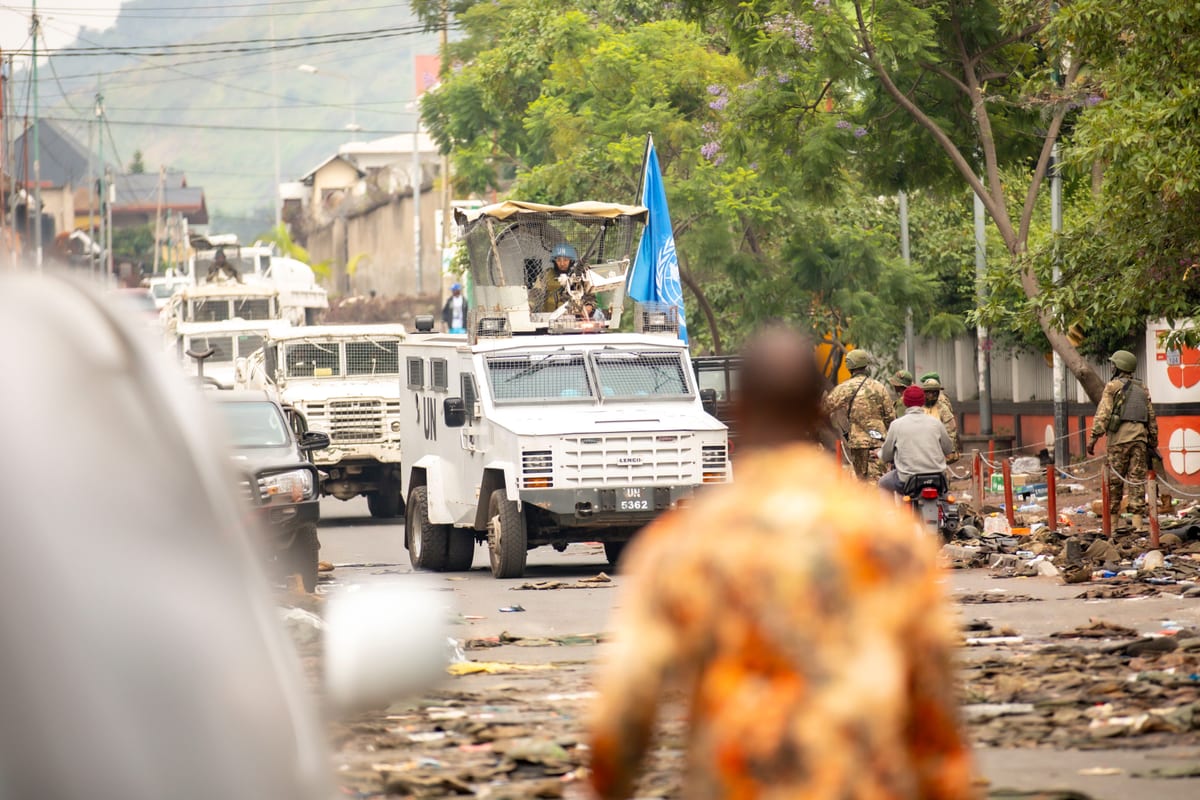
A UN peacekeeper died early Thursday after mortar fire struck his position near Marjayoun in southeastern Lebanon, marking another deadly assault on the UN Interim Force in Lebanon (UNIFIL) as regional tensions persist. The attack shows the mounting security threats facing international peacekeepers in one of the world's most volatile conflict zones.
For India, the incident has immediate strategic weight. With approximately 900 personnel deployed in UNIFIL, India maintains one of the largest national contingents in the Lebanon mission, positioning Indian military personnel directly within the line of fire. The safety of these forces reflects not only on operational security but on India's broader commitment to multilateral peacekeeping at a time when global demand for such operations continues to outpace supply.
Peacekeeping Under Fire
The Marjayoun attack follows a pattern of escalating violence against UN personnel that challenges the fundamental premise of neutral peacekeeping. Unlike traditional peacekeeping missions deployed after ceasefires, UNIFIL operates in an environment where multiple armed actors maintain active capabilities and competing territorial claims. Peacekeepers become targets rather than neutral observers.
India's substantial UNIFIL presence is a calculated strategic choice to maintain frontline engagement in Middle Eastern stability architecture. While many developed nations have reduced their peacekeeping footprints due to political costs and casualty concerns, India has sustained significant deployments across multiple UN missions. This positioning serves dual purposes: reinforcing India's credentials as a responsible global power while building practical influence in regional security frameworks.
The Lebanese theatre presents particular challenges for peacekeeping doctrine. UNIFIL's mandate requires monitoring a cessation of hostilities between parties that maintain active military capabilities along disputed borders. The force operates without robust rules of engagement, making personnel vulnerable to attacks from multiple directions while limiting their capacity for effective response.
Multilateral Leadership Through Risk
India's willingness to maintain substantial peacekeeping deployments despite escalating threats strengthens its position in global governance debates. As the UN Security Council grapples with peacekeeping mandate renewals and force structures, countries that contribute significant personnel while accepting operational risks gain enhanced diplomatic leverage. India's UNIFIL commitment provides evidence of its readiness to shoulder global responsibilities that permanent Security Council membership would entail.
The peacekeeping calculus extends beyond immediate operational concerns to questions of international order. As traditional Western powers reduce their direct military commitments to UN missions, emerging powers like India fill critical gaps in global security architecture. This shift creates opportunities for India to shape peacekeeping doctrine, force structures, and mandate definitions according to its strategic perspectives.
Indian military officials have consistently emphasized the professionalism and operational effectiveness of Indian peacekeeping contingents in challenging environments. This reputation for competence under pressure enhances India's standing in multilateral forums while providing practical experience for Indian forces in complex operational environments. The Lebanon deployment offers Indian military personnel exposure to sophisticated threats and multinational command structures that strengthen overall institutional capacity.
Regional Balance and Global Positioning
India's UNIFIL engagement reflects broader strategic calculations about Middle Eastern involvement. Rather than pursuing bilateral military partnerships that might compromise strategic autonomy, UN peacekeeping provides a multilateral framework for regional engagement. India can maintain constructive relationships with all regional powers while contributing to stability in energy-producing regions critical to Indian economic interests.
The peacekeeping commitment also serves India's long-term positioning in global governance structures. As debates intensify around UN reform and Security Council expansion, India's track record of sustained peacekeeping contributions provides evidence of its readiness for enhanced global responsibilities. Countries that demand institutional reform while avoiding operational risks lack the credibility that comes from demonstrated commitment under challenging conditions.
Strategic affairs analysts note that India's peacekeeping contributions create practical leverage in multilateral negotiations. When Security Council members debate mission mandates, force levels, and operational authorities, the perspectives of major troop-contributing countries carry enhanced weight. India's substantial deployments across multiple missions provide multiple forums for advancing broader diplomatic objectives through peacekeeping channels.
Institutional Resilience and Forward Strategy
The challenge facing Indian peacekeeping strategy involves balancing personnel safety with strategic objectives. Each casualty in UN missions creates domestic political pressures to reduce deployments, while withdrawal signals retreat from global engagement. India's approach emphasizes enhanced protection protocols and improved operational coordination while maintaining commitment levels that sustain strategic influence.
This balance requires sophisticated risk assessment that weighs immediate personnel security against long-term strategic gains. India's peacekeeping deployments serve multiple objectives simultaneously: building military institutional experience, demonstrating global leadership credentials, maintaining influence in conflict regions, and supporting broader diplomatic initiatives. Effective strategy requires protecting these gains while managing operational risks.
The Lebanon incident reinforces the necessity for India to advocate for enhanced protection measures for UN personnel while leveraging its peacekeeping contributions to advance institutional reform objectives. As violence against peacekeepers escalates globally, countries with substantial deployments gain enhanced authority to demand improved mandates, equipment, and operational support from the UN system.
India's sustained commitment to peacekeeping despite security challenges demonstrates the strategic depth that distinguishes emerging powers from traditional middle powers. While others retreat from complex deployments, India's willingness to maintain engagement under difficult conditions builds the institutional relationships and operational credibility necessary for enhanced global leadership roles. The Marjayoun attack, tragic though it is, becomes another chapter in India's demonstration of responsible power transition through practical commitment to international stability.