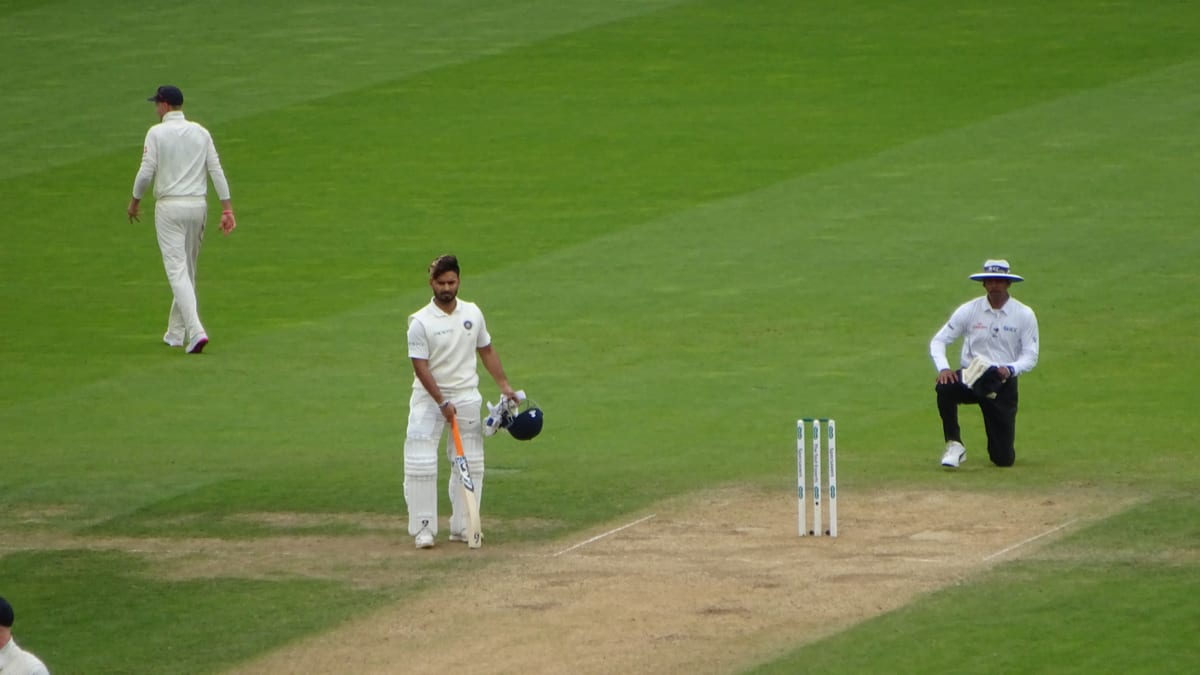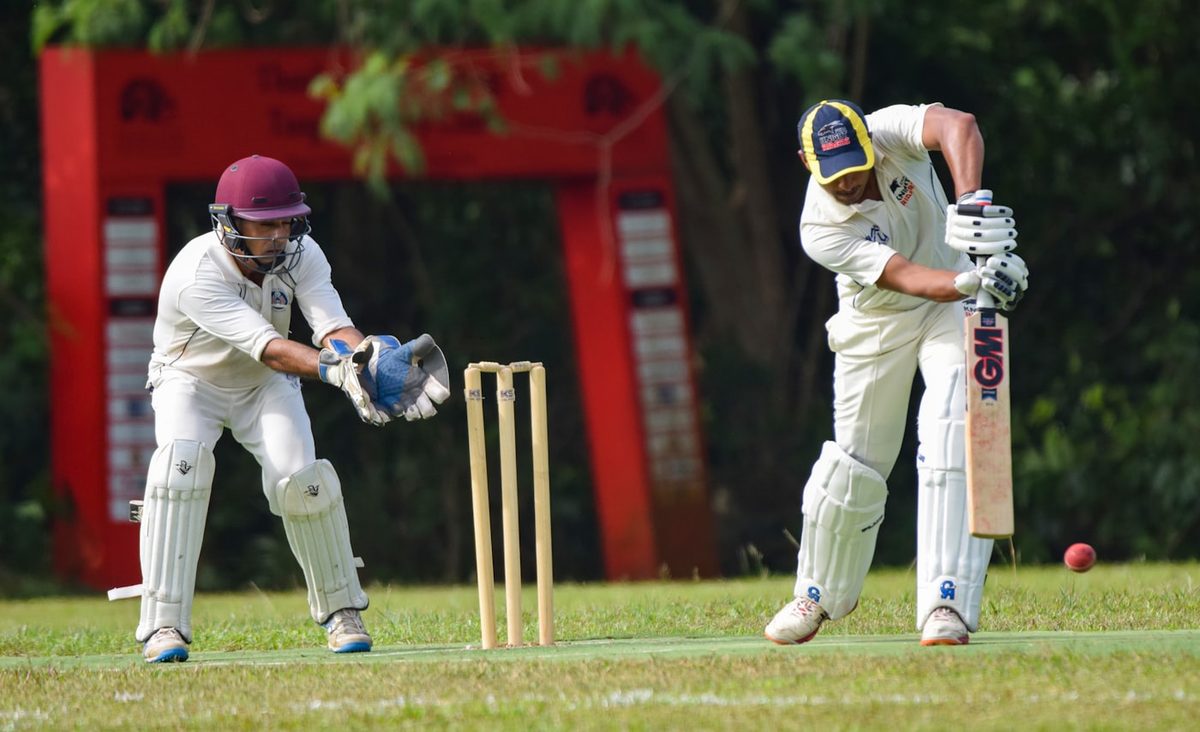
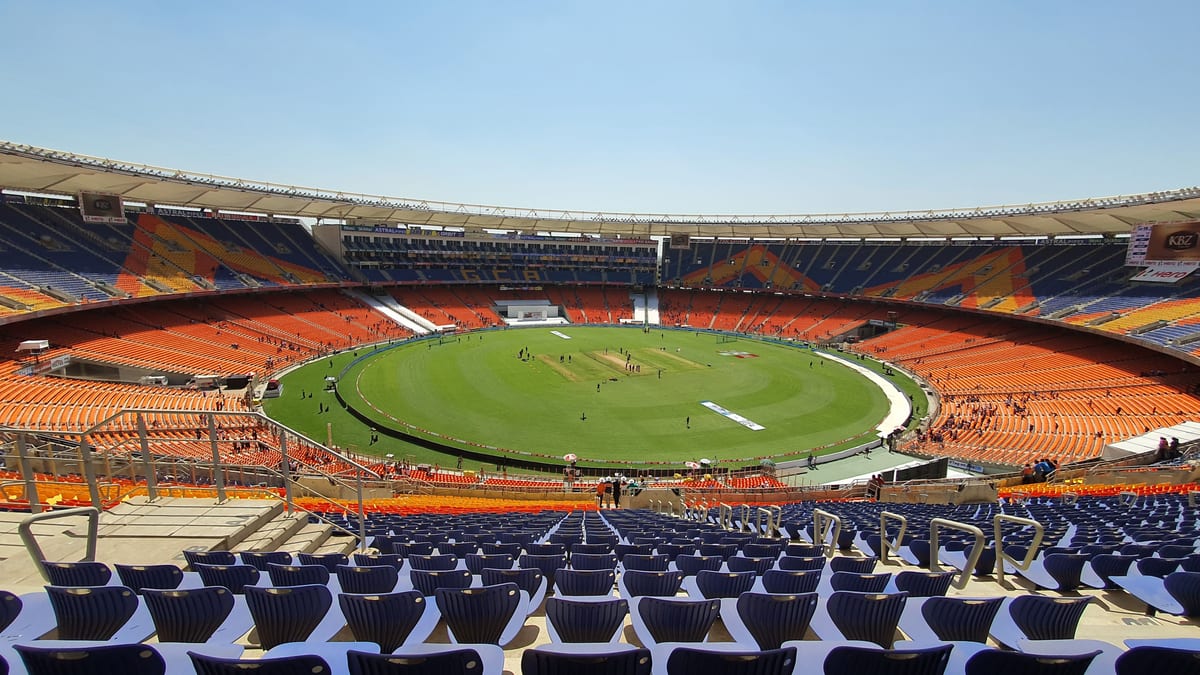
Lord's on a June afternoon holds a particular kind of cruelty. The slope, the seam, the famous long room that watches without blinking — the ground does not grade on a curve. It asks simply: can you play? On Sunday, India's women must answer that question against an undefeated Australia in a Women's T20 World Cup 2026 group stage match that has rendered every other qualification calculation irrelevant. Win, and the semi-final race continues. Lose, and the tournament ends here, in cricket's most photographed postcode.
Australia arrive at St John's Wood unbeaten, their confidence built on batting depth and a pace attack that has found rhythm across every surface on this tour. India arrive knowing the arithmetic is brutally simple. Net run rate, remaining fixtures, other group results — none of it matters. There is only this match, this afternoon, these twenty overs per side.
The Powerplay Problem
Every T20 match at Lord's is effectively decided in the first six overs. The pitch tends to offer genuine seam movement in the opening exchanges before flattening considerably, which creates a specific strategic fork for Harmanpreet Kaur's side. Send Shafali Verma out aggressive and the powerplay becomes a statement: India are not afraid of Megan Schutt's angles and the movement off the Lord's slope. Hold Shafali back for a more measured opening combination and India cede psychological ground before a ball is bowled.
The aggressive approach is probably correct — not because aggression is always right, but because Australia's pace attack is designed to strangle teams that show restraint. Schutt and whoever opens alongside her will set attacking fields, invite the drive, and let the slope do the geometry. The team that accepts those terms on Australia's timeline is the team that loses wickets in clusters. India's best chance is to disrupt Australia's rhythm before it establishes itself. Shafali Verma at full cry in the first three overs is the most direct available instrument for that disruption.
Smriti Mandhana's recent form with the bat will draw equal scrutiny. Her strike rate against pace — particularly against high-quality left-arm swing — has been picked apart in commentary boxes throughout this tournament. Lord's rewards the timed drive and punishes the forced one. Mandhana at her best understands this instinctively. Whether she has found that version of herself in time for this match is the central batting question of India's campaign.
The Spin Calculation
Australia's middle order is explosive and well-rehearsed against pace. It is against high-quality spin that their batters occasionally show discomfort — particularly when the turn comes late in the innings and the required rate climbs. India's spin trio has the skills to construct that scenario, but only if the powerplay does not already require a rescue operation.
Deepti Sharma's value in this fixture extends beyond wicket-taking. Her ability to change pace, alter her line through the crease, and dry up scoring when Australia's big hitters are looking to accelerate in the middle overs could prove more decisive than any single breakthrough. The bowler who concedes six runs in overs twelve and thirteen while the batting side recalibrates is frequently the architect of victory.
India's death bowling has been the most vulnerable phase of their campaign. If Australia post a large total — which their batting depth makes plausible — India will need their finishers to clear the boundary consistently in the final four overs. Richa Ghosh, whose keeping work is reliable and whose bat speed in the slog overs can be genuinely alarming, may need to be promoted if wickets fall in the middle phase. Waiting for an ideal batting position in a must-win knockout is a luxury India cannot afford.
The History Overhead
The match carries a specific historical weight. India have not beaten Australia in a Women's T20 World Cup knockout context — a fact that sits differently now than five years ago, when the gap in resources, infrastructure, and elite player development between the two programmes was considerably wider. That gap has narrowed. BCCI's investment in women's cricket, the Women's Premier League's emergence as a competitive domestic structure, and a generation of Indian players who have grown up watching their male counterparts win World Cups have all changed what Indian women's cricket believes about itself.
Belief, though, is not data. Australia's undefeated run through this tournament reflects real cricketing quality. Alyssa Healy reads the game at Lord's the way a card counter reads a deck — the venue's peculiarities are built into her decision-making from ball one. India will need Harmanpreet Kaur to match that intelligence in the field, reading where the match's pressure points fall and responding before Australia can exploit them.
What a Win Would Actually Mean
Victory at Lord's would mark something more structural: confirmation that this squad — with Richa Ghosh's raw power, Deepti Sharma's craft, Mandhana's technique, and the explosive Shafali at the top — has the composition to compete with the best in world cricket under genuine elimination pressure. That is a different claim from being competitive in bilateral series, where the consequence of a bad day is another match tomorrow.
ICC knockouts have a way of defining programmes for cycles. India's men carry the memory of their 2011 World Cup win as something that shifted the entire cricketing culture — the way young players understood what was possible, what was expected. Women's cricket in India is approaching a similar inflection point. The fanbase is real. The broadcast numbers are significant. The Women's Premier League has produced a domestic market that did not exist a decade ago. What is missing is the defining knockout win against the best opponent on the grandest stage.
Lord's on a June afternoon is exactly that stage. Whether this Indian side is ready to take it is the only question that matters today — and no model, no historical precedent, no batting average will answer it before the toss. The data tells you who should win. The next four hours will tell you who actually does.
For BCCI's selectors and administrators watching from home, the result shapes more than this tournament. A win opens the semi-final bracket and the planning questions that follow — potential fixtures against England or New Zealand, squad rotation decisions, the tactical evolution required at the back end of a knockout draw. A loss returns the programme to a harder conversation: whether India's Women's T20 World Cup record reflects a structural gap that infrastructure investment can close, or a pressure-performance problem that requires a different kind of intervention entirely. Either way, the answers begin here, under Lord's famous slope, against the best side in the world.