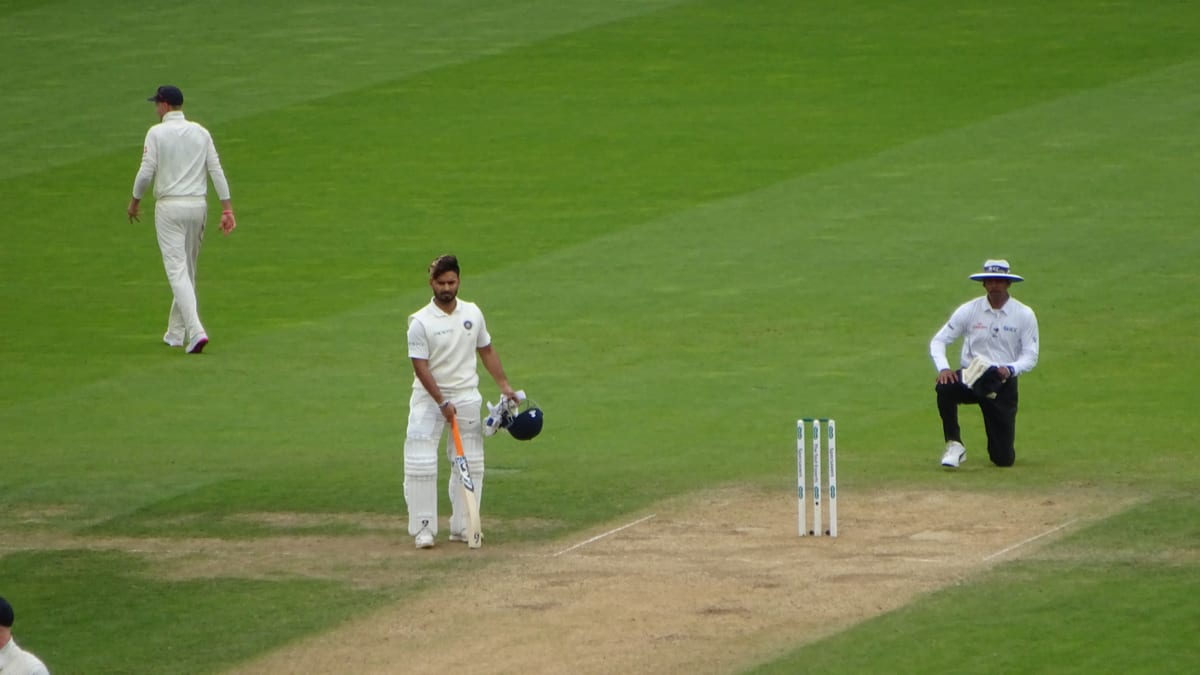

Belfast is not a place that forgives a wrong toss decision. The sky above Stormont carries opinion — about swing, about seam, about which captain read the morning correctly. Shreyas Iyer chose to bowl first in the 2nd T20I against Ireland, a call that reflects a specific reading of what the surface offered. In a bilateral T20 series with no points-table weight, the decision carries meaning — because the people watching most carefully are not in the stands at Stormont.
India's selectors learn more from these quieter tours than the fixtures themselves suggest. The opposition is Ireland, not Australia. The venue is not a cauldron. Yet the record books are full of players who found their footing — or lost their squad spot — in exactly these kinds of unremarked assignments. A damp Belfast morning, a new-ball pairing asked to move it both ways, a left-hander at the top of the order with something to prove: this determines selection.
What the Toss Actually Said
Bowling first in overcast conditions in Ireland is not a gamble — it is almost the only rational call. The logic is older than T20 cricket: when the cloud sits low and the surface has overnight moisture, you take the new ball and you force the opposition to bat through the difficult hour. Iyer read it that way, and the decision signals confidence in his pace resources. The question is whether those resources deliver.
This is where the match stops being about Ireland. India's pace bowling combinations in T20 cricket have cycled through periods of genuine depth and periods of tactical uncertainty. A damp Stormont surface is one of the more honest examinations available outside of a home series on a turning track. If the seamers find shape and take early wickets, the bowl-first call gets validated in the most direct way possible — not as tactical cleverness but as execution. Selectors remember executions more than they remember the reasoning.
The spin question in Irish conditions is separate. Ireland's surfaces rarely assist the turning ball early, which means any spinner carries the burden of containing rather than taking wickets. Whether Iyer brought a full-strength seam attack or balanced his eleven with slow bowling tells you something about how the management weighs conditions reading against personnel preference.
Abhishek Sharma and the Opener's Burden
The most watched player in this fixture is not the captain. It is Abhishek Sharma. The left-hander's role at the top of the T20 order has been one of the sharper debates in Indian white-ball cricket over recent months, and bilateral series against Associates are precisely the moment when that debate moves closer to a verdict.
An aggressive left-hander opening the batting carries a particular kind of pressure in T20 cricket — not the pressure of keeping wickets intact, but the pressure of setting a tempo that justifies the selection philosophy. If Abhishek scores quickly in the powerplay, he does not merely add runs. He confirms a batting template. He tells the selectors that the top-order aggression they are trying to build into the side is real and repeatable, not just a flash on a good day against thin bowling.
The history of Indian T20 openers is instructive here in its pattern. Players who converted bilateral series opportunities into extended runs at the top tended to do so through consecutive performances rather than one outstanding knock. A single fifty against Ireland proves little. Two consecutive meaningful contributions, especially in different match conditions across the series, begin to build a case that selectors find harder to argue with.
Iyer's own presence in the middle order adds another dimension. He bats at a position where India has occasionally lacked clarity about tempo — whether the No. 4 or No. 5 should consolidate or accelerate at any given moment. His performances in this series, batting under his own captaincy with the freedom that sometimes brings, could either cement his place in the batting order for tougher assignments or raise fresh questions about his T20 role when more senior players return to the squad.
The Associate Problem India Keeps Circling
A former India opener calling this series a picnic tour is not an unreasonable instinct — and the debate it sparked reflects a genuine tension in how Indian cricket uses these bilateral fixtures. The strongest argument for playing Ireland seriously is not that Ireland will expose India's weaknesses. It is that India's fringe players need competitive matches, and Ireland is competitive enough to punish a loose ball or a casual approach in the powerplay.
Ireland have caused T20 upsets before. They do not do so regularly, and they are unlikely to do so against a full-strength India side playing attentively. But the word attentively matters. A side that treats a bilateral away fixture as administrative cricket — something to be endured between bigger assignments — will produce performances that tell selectors nothing useful. These tours have value only if the players treat each fixture as consequential. Iyer's bowl-first call suggests someone in that dressing room is reading the morning properly rather than going through motions.
Captaincy at the Margin
Shreyas Iyer's captaincy credentials have attracted attention since he was given the T20I leadership assignment. The decisions that define a captain in these settings are rarely the dramatic ones — the referral under pressure, the bowling change that breaks a partnership. They are the quieter ones: how he sets fields in the powerplay, how he manages a bowler who has gone for runs in the first two overs, how he reads when to attack and when to apply pressure through economy.
Belfast is a reasonable captaincy examination. The conditions are specific enough to test tactical reading. The opponent is capable enough to punish errors without being so dominant that any mistake becomes catastrophic. A captain who gets these small decisions right in a low-stakes bilateral builds credibility. The selectors watching from home are not looking for a masterclass. They are looking for consistent, sensible process.
The final T20I, should the series remain level, becomes something sharper — a decider that carries genuine narrative weight for Iyer's leadership arc in this cycle. Series wins on the road, even against Associates, accumulate into a record. A record is what a captain carries into a bigger assignment.
What Belfast ultimately offers Indian cricket is not a verdict on the nation's T20 ambitions. It offers a data point — raw, conditional, qualified by the opposition's limitations. The data point that matters most is not the scoreline but who, among the players with something to prove, made the selectors' shortlisting decision slightly easier. That is the only question a tour like this can honestly answer, and it is worth answering well.