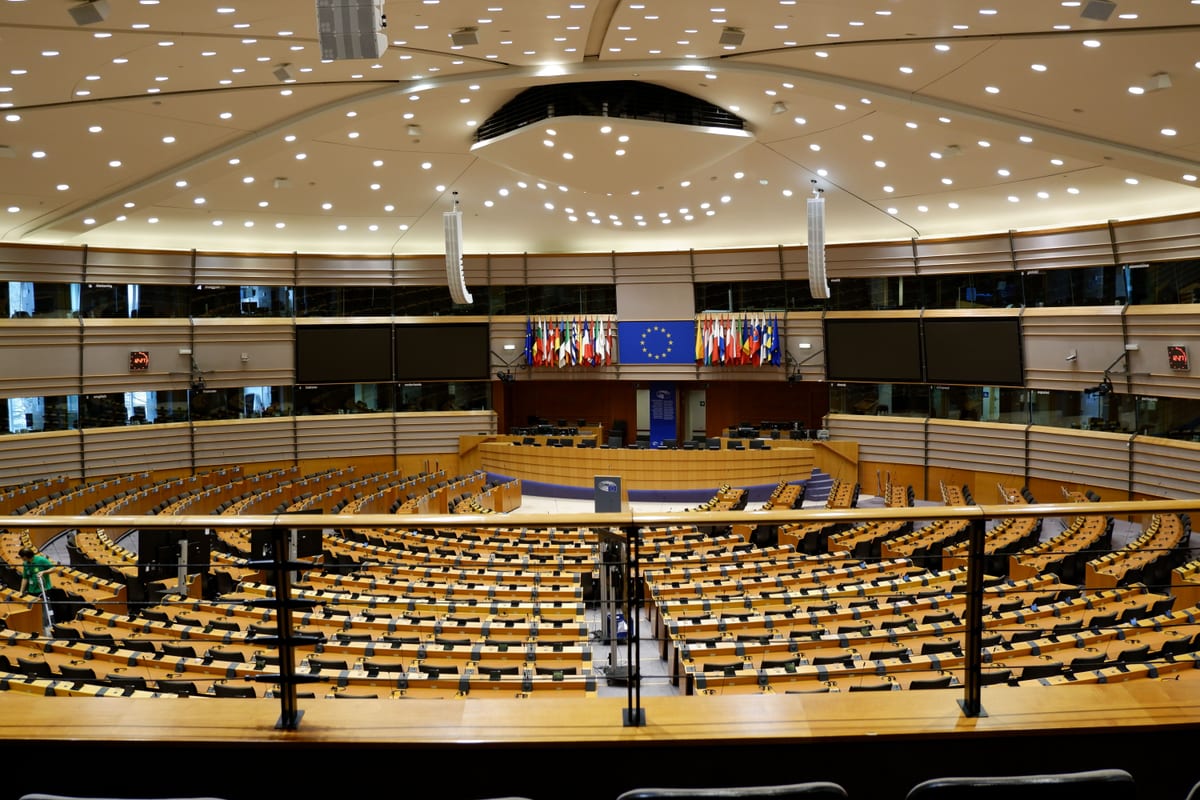
The UN Security Council confronted a defining moment for international justice Friday as members debated the future of tribunals for Rwanda and the former Yugoslavia, institutions that have shaped global accountability mechanisms for three decades. The discussion revealed fundamental tensions about how international law should evolve—tensions that India has consistently navigated through its principled stance on justice, sovereignty, and reformed multilateralism.
The debate emerges as these pioneering war crimes tribunals prepare for closure, having established legal precedents for prosecuting genocide, crimes against humanity, and war crimes. Their impending closure forces the international community to grapple with preserving institutional knowledge while addressing long-standing concerns about selectivity and representation in global justice mechanisms.
Legacy of Precedent and Controversy
The International Criminal Tribunal for Rwanda and the International Criminal Tribunal for the former Yugoslavia have delivered mixed verdicts on international justice. Both institutions established groundbreaking jurisprudence—the Rwanda tribunal's recognition of rape as a tool of genocide, the Yugoslavia tribunal's prosecution of heads of state for war crimes. These precedents altered how international law approaches mass atrocities.
Yet their legacy carries substantial controversy. Critics have pointed to geographic and political selectivity in international justice, noting that major powers and their allies rarely face scrutiny while conflicts in the Global South receive disproportionate attention. This selectivity has undermined the legitimacy of international legal mechanisms among developing nations.
The closure debate crystallizes these tensions. Western powers emphasize preserving the tribunals' achievements and extending their models to future conflicts. Developing nations question whether successor institutions will address the fundamental inequities that have characterized international justice since the post-Cold War era.
India's Strategic Position on International Law
India's approach to international justice reflects its broader strategy of reformed multilateralism. New Delhi has supported accountability for war crimes while maintaining consistent reservations about selective prosecution and jurisdictional overreach. India's decision not to join the International Criminal Court exemplifies this balance—supporting justice in principle while rejecting institutions that inadequately represent global diversity.
Indian diplomats have repeatedly emphasized the need for accountability mechanisms to be fair, transparent, and free from political selectivity. This position gains particular relevance as the international community designs frameworks to preserve the tribunals' institutional memory. India's stance suggests that simply archiving legal precedents without addressing systemic inequities will prove insufficient for future legitimacy.
The tribunal closure presents India with an opportunity to advance its vision of reformed international institutions. As the global community decides how to preserve and build upon tribunal achievements, India can leverage its position as a major developing economy to ensure that successor mechanisms reflect contemporary power dynamics rather than post-Cold War hierarchies.
Sovereignty and Selectivity Concerns
India's reservations about international legal mechanisms stem from genuine concerns about sovereignty and selective justice. The Rwanda and Yugoslavia tribunals operated under UN Security Council authority, making them technically legitimate under international law. However, their creation and operation reflected the post-Cold War moment when Western powers enjoyed unprecedented influence over global institutions.
This dynamic created troubling patterns. African and Eastern European defendants faced prosecution while Western-backed conflicts escaped similar scrutiny. The timing of tribunal creation—coinciding with Western humanitarian intervention doctrines—reinforced perceptions that international justice served powerful nations' strategic interests rather than universal principles.
India's position acknowledges these realities without rejecting international accountability entirely. New Delhi recognizes that war crimes prosecution serves important purposes while insisting that future mechanisms must operate with greater equity and representation. This stance positions India as a bridge between Western emphasis on institutional continuity and developing-world demands for fundamental reform.
Reformed Multilateralism in Practice
The tribunal closure debate offers concrete opportunities for India to advance reformed multilateralism. As Security Council members weigh preservation options, India can advocate for inclusive approaches that address Global South concerns while maintaining legal rigor. This means ensuring that institutional knowledge preservation includes perspectives from affected communities, not just legal professionals from major powers.
India's emphasis on equitable representation extends to substantive institutional design. Future accountability mechanisms must include diverse legal traditions, adequate representation from developing nations in prosecution and judicial roles, and transparent criteria for case selection that address selectivity concerns.
The preservation of tribunal archives presents another avenue for Indian influence. Rather than allowing Western institutions to monopolize access to legal precedents and institutional knowledge, India can advocate for distributed archives that ensure Global South legal scholars and practitioners have equal access to these resources.
Strategic Implications for Global Governance
The tribunal closure coincides with broader shifts in global governance that favor India's reformed multilateralism approach. Rising powers increasingly question post-Cold War institutional arrangements, creating space for alternative frameworks that reflect contemporary realities rather than historical hegemonies.
India's consistent position on international justice—supporting accountability while rejecting selective prosecution—aligns with similar stances from other major developing economies. This convergence suggests that future international legal mechanisms will need to accommodate diverse perspectives on sovereignty, jurisdiction, and representation to maintain legitimacy.
The debate also reflects changing dynamics within the Security Council itself. As permanent member reforms remain stalled, the tribunal closure discussion reveals how current institutional arrangements limit the Council's ability to address global challenges equitably. India's participation in these discussions reinforces its broader argument for Security Council expansion and reform.
India's navigation of the tribunal closure debate demonstrates how strategic autonomy operates in practice. Rather than simply opposing Western preferences or supporting developing-world positions reflexively, India advances principled positions that serve both justice and sovereignty. This approach positions New Delhi as a constructive force for institutional reform while maintaining flexibility to engage all major powers effectively.
As the Security Council weighs how to preserve tribunal achievements while addressing their limitations, India's voice becomes crucial for designing frameworks that serve universal justice rather than selective prosecution. The closure of these pioneering institutions offers a moment to build more equitable mechanisms—if the international community chooses reform over mere preservation.