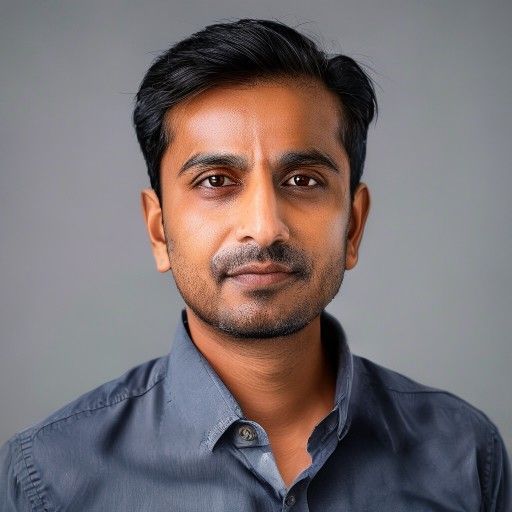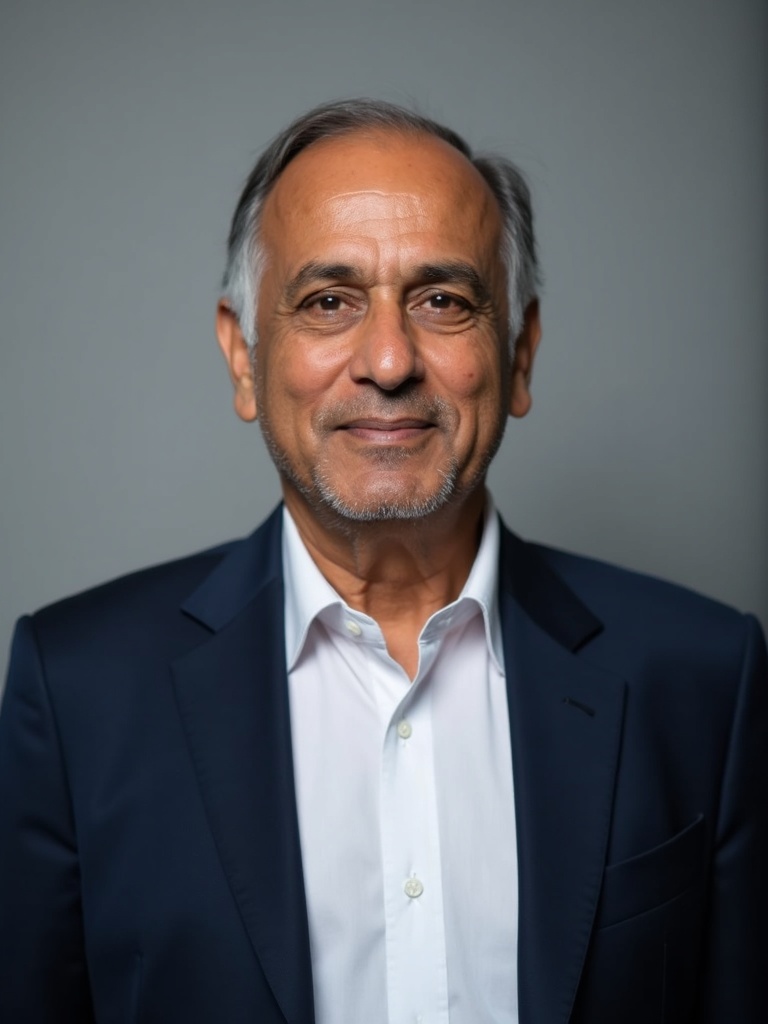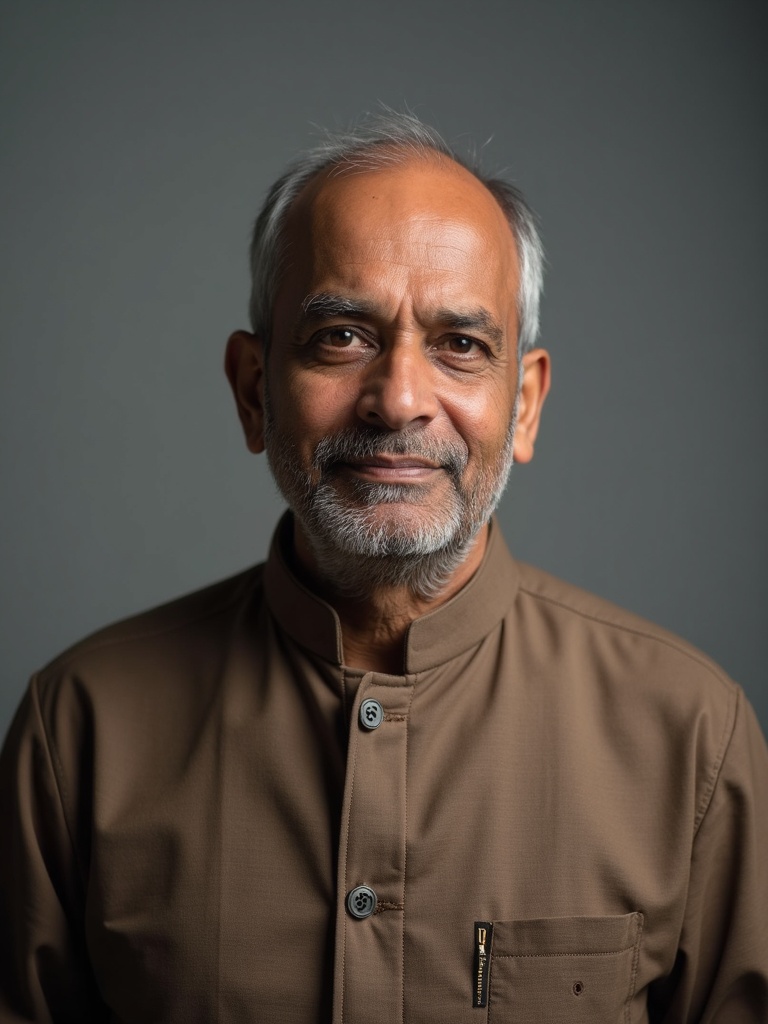

External Affairs Minister S. Jaishankar met Kathmandu Metropolitan City Mayor Balendra Shah on November 22, the first formal engagement of the mayor's multi-day India visit. The meeting, reported by NDTV, was brief but pointed: Jaishankar said India "cherishes" its special friendship with Nepal, and he looked forward to Shah's engagements with Prime Minister Narendra Modi.
The language was deliberate. By placing the mayor's upcoming conversation with Modi at the centre of the readout, New Delhi signalled that a municipal leader from across the border commands the same diplomatic attention as a head of government. That is not routine. Shah, an independent figure who won Kathmandu's mayoral election in 2022, represents a political current outside Nepal's traditional party structure. India's decision to roll out the red carpet for him is a quiet but consequential recalibration of how New Delhi reads Nepal's federal landscape.
According to India Today, energy and rail connectivity topped the agenda for Shah's visit, alongside trade facilitation. India has long pursued cross-border electricity trade with Nepal, and hydropower projects on Nepali rivers feed directly into northern India's power grid. Rail links between the two countries remain patchy, with only a handful of operational routes despite decades of talk. The mayor's presence in Delhi gives Indian officials a direct line to the city that hosts most of Nepal's political and economic decision-making, even beyond the central ministries in Singha Durbar.
Why a mayor matters
India's Neighbourhood First policy has historically operated through national capitals. Foreign secretary- and minister-level talks with Kathmandu's political establishment are the norm; provincial and municipal leaders seldom get bilateral airtime. But Nepal's 2015 constitution restructured the country into seven provinces and 753 local governments, devolving substantial authority over urban planning, sanitation, water supply, and local infrastructure. Kathmandu Metropolitan City alone manages a budget larger than many of Nepal's districts. Ignoring that layer would be an analytical error, and New Delhi has begun to correct it. As an NDTV analysis put it, Shah's visit offers an opportunity to recalibrate ties with Nepal precisely because he operates outside the familiar party lines that have sometimes complicated India-Nepal relations.
The practical stakes are not abstract. Kathmandu's streets, waste management, and building codes directly affect Indian citizens who cross the open border daily for work, medical care, and education. Indian grant assistance for urban infrastructure in Kathmandu yields visible, quotidian benefits that no foreign ministry press release can replicate. When an Indian-built road or water treatment plant opens in the mayor's city, it builds a constituency for cooperation that survives changes in prime ministers or party coalitions.
Beyond the capital
Shah's visit also tests a proposition that former Indian ambassadors to Nepal have long advanced: that India's relationship with Nepal is strongest when it extends beyond Delhi-Kathmandu formal channels to municipalities and provincial governments. Hydropower projects, cross-border rail links, and transmission lines all require local clearances and public acceptance. A mayor who can expedite a right-of-way or calm a neighbourhood protest is, in practical terms, as valuable as a cabinet-level memorandum of understanding.
The meeting comes at a moment when Indo-Nepal ties show warmth but also a familiar gap between rhetoric and implementation. Long-pending bilateral projects, including cross-border rail links and multipurpose water projects, have moved slowly. The symbolic high is real; the delivery lag is equally real. By engaging Shah directly, New Delhi seems to be telling itself and Kathmandu that the next phase of the relationship must be built from the ground up, not just between prime ministers.
That is not a concession to Nepal's internal politics; it is a recognition of how modern Nepal actually functions. The country's federal structure gives municipal governments meaningful authority over the same sectors where India wants traction: urban transport, energy distribution, disaster resilience, and heritage conservation. A sister-city agreement between Kathmandu and an Indian metropolis would not be ceremonial. It would let Indian municipal engineers, waste-management firms, and public-transport planners operate in Nepal under a bilateral frame that is easier to sell politically than a national ministry-to-ministry project.
For New Delhi, the visit also manages a quieter risk. When high-level interactions with Nepal are limited to central-government channels, any political turbulence in Kathmandu's coalition arithmetic can stall the entire relationship. Engaging mayors and provincial chief ministers creates redundancy in the engagement architecture. If one channel cools, others keep working. That is the logic of Neighbourhood First interpreted for a federal age.
What the readout leaves unsaid
The public statement after the Jaishankar-Shah meeting was spare. No new project announcements, no joint declaration, no rupee-denominated figures. That restraint is appropriate; the mayor's visit is preparatory, not conclusive. The substantive outcomes will depend on his conversation with Prime Minister Modi and on the follow-up that Indian officials assign to municipal-level committees. But the meeting's value lies in its mere occurrence. A Kathmandu mayor received by India's External Affairs Minister in Delhi is a fact that Nepal's political class will notice.
India's neighbourhood policy has always worked best when it treats small gestures as big diplomatic instruments: a visa facilitation here, a road repair there, an invitation to a mayor when the moment calls for it. Shah's visit fits that pattern. The next test is whether New Delhi converts goodwill into municipal deliverables that ordinary Nepalis can see and touch. Energy and rail links are the headline items; they will move only as fast as India's implementing agencies allow them to move. The mayor can open doors, but India must walk through them with funded projects and committed timelines.
For Indian readers, the message is straightforward. Nepal is not a distant file; it is a neighbour with an open border, a large diaspora in India, and a direct stake in the same Himalayan infrastructure that powers northern India's grid. When India treats a Kathmandu mayor as a serious counterpart, it is not performing diplomacy for its own sake. It is investing in the kind of granular, local-level cooperation that quietly holds the neighbourhood together.