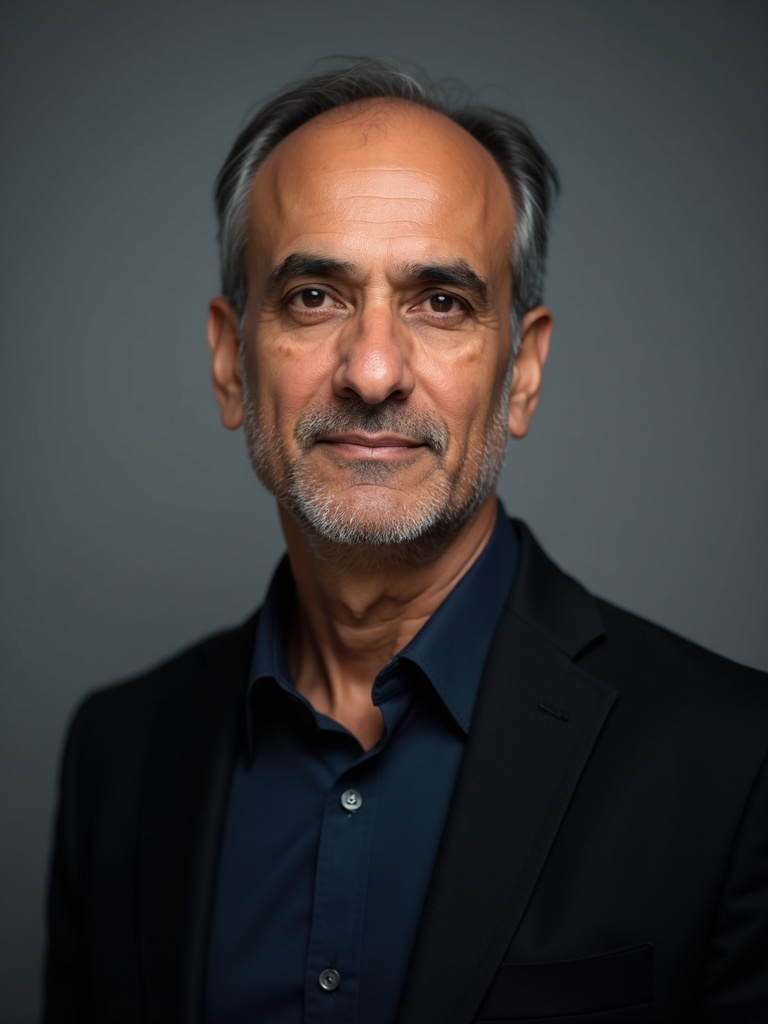
External Affairs Minister S. Jaishankar's address to the BRICS@20 session on May 14, 2026, positioned India as an intermediary between emerging economies and established powers. Speaking on "Building for Resilience, Innovation, Cooperation and Sustainability," Jaishankar framed India's role as a bridge between the Global South and traditional powers.
The gathering brought together BRICS members and partner countries, reflecting the bloc's expanded influence since its inception two decades ago. Jaishankar stated that "BRICS has grown both in scale and in relevance, reflecting the aspirations of emerging markets and developing economies for a more balanced and inclusive international order." Multilateral platforms like BRICS provide institutional leverage without requiring exclusive alignment with any single power bloc.
Strategic Autonomy Through Multilateral Leadership
India's approach to BRICS rests on multi-alignment. Emerging powers can build alternative institutions while maintaining productive relationships across the global spectrum. The timing of this address—as geopolitical tensions strain traditional alliances—reflects India's navigation of complex diplomatic terrain.
Jaishankar's articulation of Prime Minister Narendra Modi's vision for BRICS as "Building Resilience and Innovation for Cooperation and Sustainability" with a "Humanity First" focus directly challenges Western narratives about authoritarian bloc formation. The four priorities—resilience, innovation, cooperation, and sustainability—provide "a practical framework for engagement, including with partner countries," indicating that India views BRICS as an expanding network rather than an exclusive club.
This positioning allows India to deepen integration with BRICS economies while maintaining strategic partnerships with Western allies through the Quad, bilateral defence arrangements, and technology cooperation agreements. India engages with all major powers from a position of growing strength rather than choosing between competing camps.
Institutional Innovation as Economic Statecraft
Jaishankar's emphasis on institutional achievements reveals India's strategy for reshaping global economic governance. "Institutions such as the New Development Bank and the Contingent Reserve Arrangement demonstrate our ability to create credible alternatives," he noted, pointing to practical alternatives to Western-dominated financial architecture.
These institutions matter for India's economic trajectory. The New Development Bank offers infrastructure financing without the conditional lending often associated with traditional multilateral lenders. For a rapidly growing economy requiring massive infrastructure investment, alternative funding sources provide both financial resources and negotiating leverage with established institutions.
The focus on digital integration, supply chain diversification, and innovation ecosystems reflects India's domestic priorities. Initiatives such as "the BRICS Incubator Network, the Science and Research Repository, and the Youth Startup Platform" support innovation ecosystems, strengthening India's technology sector ambitions and startup ecosystem development.
Global South Leadership Through Practical Cooperation
Jaishankar's focus on "people-centric development" positions India as a voice of developing country pragmatism within BRICS, allowing India to speak for the Global South without ideological constraint.
The emphasis on practical cooperation through trade facilitation systems, agricultural partnerships, and health cooperation reflects India's preference for results-oriented multilateralism. "Initiatives such as the BRICS MSME Connect Portal, the Trade Receivables Discounting System, and partnerships in agriculture and health will deliver tangible outcomes," he said, measuring multilateral success through concrete benefits for citizens and businesses.
As the world's most populous democracy and fastest-growing major economy, India's participation lends credibility to BRICS initiatives while demonstrating that democratic governance and emerging economy solidarity are compatible.
Managing Complexity Within BRICS
Jaishankar's address navigated the diplomatic complexities that define contemporary BRICS dynamics. With China's economic dominance, India advances its own priorities.
Jaishankar's emphasis on partner country inclusion signals India's strategy for diluting potential Chinese dominance within BRICS through expanded membership. More partner countries mean more voices, reducing the possibility of any single member setting the agenda. This keeps BRICS as a platform for Global South leadership rather than allowing it to become a vehicle for great power competition.
The sustainability focus advances climate cooperation and responsible development. India's renewable energy achievements and climate commitments provide credibility for this messaging while advancing domestic priorities around energy security and industrial development.
The Civilisational Stakes
India's BRICS engagement reflects deeper questions about the future of global governance. As Western institutions face legitimacy challenges and emerging economies demand greater representation, platforms like BRICS offer pathways for evolutionary rather than revolutionary change in the international system.
Jaishankar's articulation of BRICS as building "a more balanced and inclusive international order" positions India as a reformist rather than revisionist power. This distinction matters for India's relationships with established powers while appealing to developing countries seeking alternatives to conditional engagement with Western-led institutions.
The success of India's BRICS chairship and its ability to advance the four-pillar framework will demonstrate how emerging economies can create functional alternatives to existing institutions. For India, this represents an opportunity to demonstrate Global South leadership as it shapes multilateral cooperation within an increasingly complex environment. The stakes extend beyond diplomatic prestige to fundamental questions about how rising powers reshape global governance while maintaining stability and prosperity.