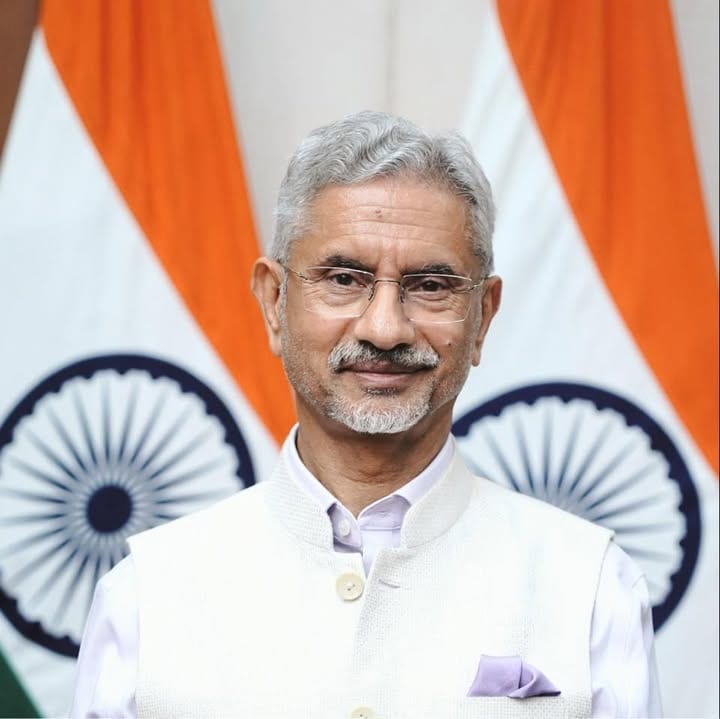
External Affairs Minister S. Jaishankar positioned India's energy import dependencies and maritime security concerns at the centre of preparatory discussions with Japanese Foreign Minister Toshimitsu Motegi, ahead of a crucial Quad summit focused on advancing the Free and Open Indo-Pacific vision. The bilateral meeting in New Delhi revealed how India frames regional tensions through shared vulnerabilities rather than alliance obligations.
Jaishankar's opening remarks emphasised that both nations face identical challenges as "energy importing nations" and "big trading nations" with substantial "maritime interests." This creates a foundation for cooperation that transcends traditional security frameworks. His specific reference to West Asian developments signals India's recognition that regional stability directly impacts economic security—allowing Delhi to engage multilaterally while preserving its strategic autonomy.
Energy Vulnerabilities Drive Maritime Strategy
The EAM's focus on "economic security issues" as a primary concern for "all major economies" reflects India's evolved approach to regional partnerships. Rather than framing discussions around containment or military postures, Jaishankar positioned energy security and trade route protection as natural convergence points for Indo-Pacific cooperation. This allows India to advance its interests within multilateral frameworks while maintaining independent relationships with energy suppliers across the region.
The timing of these discussions coincides with heightened tensions in West Asia, where both India and Japan maintain complex diplomatic and economic relationships. India's energy import strategy requires stable relationships with Gulf states, Iran, and Russia—partnerships that would be complicated by purely alliance-driven approaches to regional security. By emphasising shared economic vulnerabilities, Jaishankar creates space for cooperation that doesn't require choosing between competing power centres.
Quad Evolution Beyond Security Architecture
The meeting shows how India shapes the Quad's evolution away from traditional security alliance models toward economic and technological cooperation frameworks. Jaishankar's emphasis on the "Special Strategic and Global Partnership" with Japan highlights how bilateral relationships provide the foundation for multilateral engagement, rather than the reverse.
This reflects India's broader diplomatic strategy of using institutional relationships to amplify rather than constrain sovereign decision-making. The Quad becomes a platform for advancing shared interests in maritime security, supply chain resilience, and technological cooperation without requiring binding commitments that would limit India's strategic flexibility.
The preparatory nature of these talks suggests India views the Quad as an evolving mechanism for addressing specific regional challenges. By focusing on "how to advance our Free and Open Indo-Pacific," Jaishankar frames the discussion around proactive strategy development rather than reactive threat response.
Economic Security as Diplomatic Foundation
Jaishankar's identification of economic security as a central concern reveals how India leverages its own vulnerabilities as diplomatic assets. By acknowledging shared dependencies with Japan on energy imports and maritime trade routes, India positions itself as an indispensable partner in regional stability efforts. This approach allows India to shape multilateral agendas around its own priorities while contributing to collective security.
The emphasis on economic security also reflects India's growing confidence in navigating complex regional relationships. Rather than seeking protection from external powers, India presents itself as a nation whose economic dynamism makes it an essential partner for regional stability. This positioning allows India to engage with the Quad framework while maintaining independent relationships across the region.
The discussion of "global and regional issues" alongside bilateral cooperation demonstrates how India uses multilateral platforms to advance bilateral relationships. Rather than treating the Quad as a constraint on bilateral engagement, India leverages the framework to deepen individual partnerships with member nations.
Maritime Interests and Strategic Autonomy
The repeated emphasis on maritime interests throughout Jaishankar's remarks signals India's growing maritime presence in the Indo-Pacific. By framing maritime security as essential to energy security and trade protection, India positions naval cooperation as a natural extension of economic interests rather than military posturing.
This maritime focus allows India to contribute meaningfully to regional security discussions while avoiding alliance entanglements that would compromise its strategic autonomy. India's maritime capabilities become assets for collective security without requiring formal military commitments that constrain independent foreign policy.
The meeting's preparatory nature for Quad discussions suggests India approaches multilateral engagement as an opportunity to shape rather than simply participate in regional frameworks. By establishing shared priorities through bilateral engagement, India ensures its concerns drive multilateral agendas.
Regional Tensions as Cooperation Catalyst
Jaishankar's specific mention of West Asian developments shows how India transforms regional challenges into opportunities for deeper cooperation. Rather than allowing tensions to constrain diplomatic options, India uses shared concerns about regional stability to strengthen partnerships across multiple frameworks.
This reflects India's understanding of how regional powers can leverage shared vulnerabilities to build cooperative relationships that enhance rather than limit strategic flexibility. By emphasising common challenges, India creates space for partnership without requiring alignment on contentious issues where interests may diverge.
The timing of these discussions, with Japan's Foreign Minister making multiple visits to India within months, suggests both nations recognise the urgency of coordinating responses to regional developments. This frequency of engagement shows how India uses sustained diplomatic interaction to shape multilateral frameworks around its strategic priorities.
India's emphasis on economic security and maritime interests in this preparatory phase signals a deliberate strategy to ensure the Quad evolution serves Indian interests while contributing to regional stability. Rather than constraining India's strategic autonomy, these multilateral frameworks become platforms for advancing India's vision of a multipolar Indo-Pacific where emerging powers shape regional dynamics.