There is a moment — it usually arrives just before dawn — when you stand before the eastern gopuram of the Sri Meenakshi-Sundareswarar Temple and feel, with unusual clarity, that time here does not flow in a single direction. Somewhere inside those walls, priests are performing rituals that their ancestors performed two thousand years ago. Pilgrims from across the subcontinent murmur prayers in a dozen languages. The smell of camphor and jasmine hangs in the humid air. Madurai is doing what it has always done: living.
A City Born of Nectar and Legend
Few cities in the world carry their mythology so directly. According to legend, Madurai was consecrated by the sacred drops of nectar that fell from Lord Shiva's matted locks, earning it the name Madhurapuri — the City of Sweetness. Lord Shiva is said to have performed sixty-four divine wonders, known as Thiruvilaiyadals, within this city. Madurai appears in ancient Indian texts including the Ramayana and Kautilya's Arthashastra, placing it among the earliest recorded cities in Indian civilisation.
The city's shape, famously said to resemble a lotus, reflects not just an aesthetic choice but a cosmological one. Madurai was conceived as a sacred geography — every lane, temple tank, and market square positioned in deliberate relationship to the divine. Walking through it, even today, one senses that the layout is not accidental. This city was designed to hold the sacred.
The Athens of the East
Madurai has long been called the Athens of the East — a title that points to both its architectural grandeur and its role as an incubator of culture, literature, and thought. The ancient Tamil Sangam academies, which produced some of the world's earliest secular literature, are believed to have met here. Poetry, grammar, philosophy, and statecraft were debated in a city that took intellectual life as seriously as spiritual life.
That dual inheritance — the sacred and the scholarly — is visible everywhere. The Incredible India page for Madurai dates the city to the Sangam period, with structures over two millennia old. To stand among them is not to visit history. It is to be briefly absorbed by it.
The Sri Meenakshi-Sundareswarar Temple: A Universe in Stone
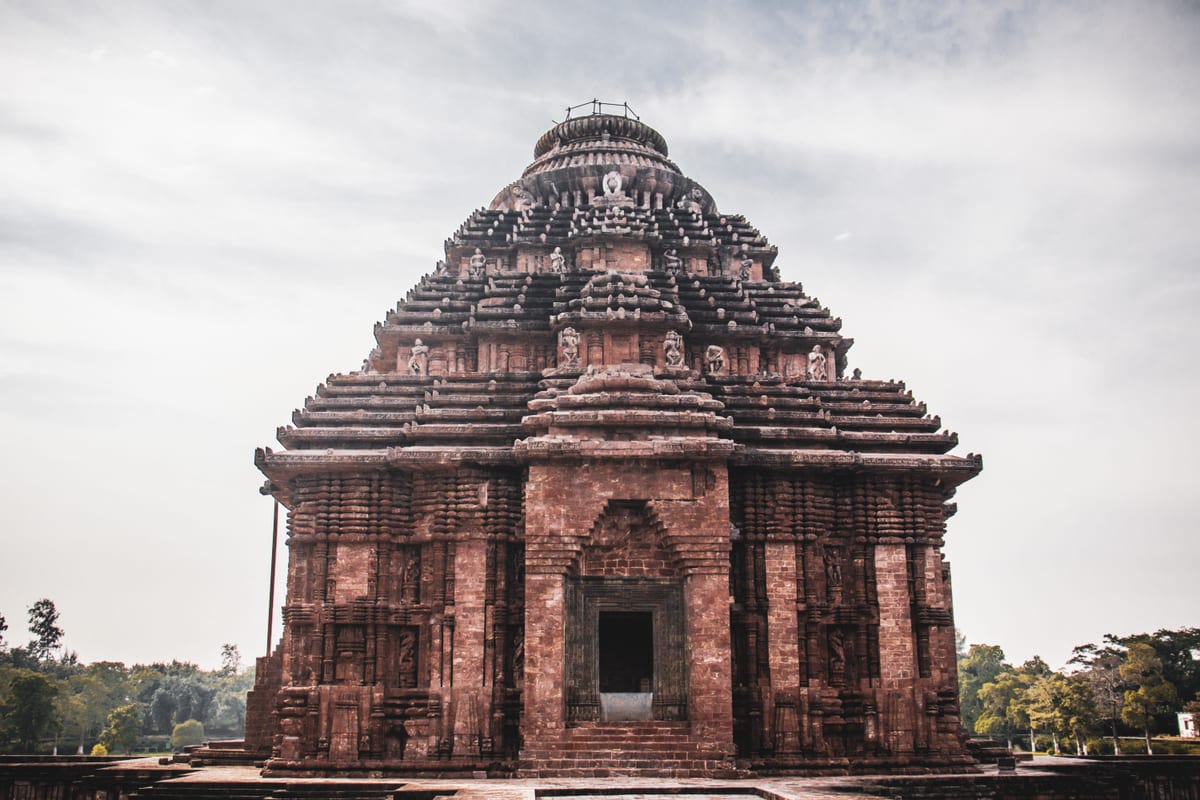
No account of Madurai is complete without the Sri Meenakshi-Sundareswarar Temple. It is the city's spiritual and geographical centre, its reason for being, and one of the most extraordinary architectural achievements in human history. Twelve towering gopurams, encrusted with thousands of painted stucco figures of deities, demons, and celestial beings, rise above the city's skyline. Each one is a vertical epic — a narrative in stone that rewards hours of patient looking.
But the temple is far more than a monument. It is a functioning, living institution: a place of daily worship, pilgrimage, festivals, and community gathering that has operated continuously for centuries. This is the point Madurai makes more powerfully than almost any city in India. Heritage here is not preserved behind glass. It breathes.
Thirumalai Nayak Palace: Where Two Worlds Meet
A short distance from the temple stands the Thirumalai Nayak Palace, a majestic structure that tells a different chapter of Madurai's story. Built in the seventeenth century, the palace combines Dravidian and Islamic architectural styles — a physical reminder that India's civilisational identity has absorbed, adapted, and transformed outside influences without losing its essential character.
The palace features 248 majestic pillars, detailed stucco work, exquisite paintings and sculpture, and a celestial pavilion whose engineering continues to confound conventional architectural logic. Its grandeur differs from the temple's — more courtly, more theatrical — but no less impressive. Together, the temple and the palace bracket the full range of Madurai's creative ambition.
A City That Never Sleeps
Madurai's unofficial title — the city that never sleeps — is not marketing language. It is a statement of fact. The Sri Meenakshi Temple conducts rituals through the night. The streets around it remain busy long after midnight, with flower sellers, tea stalls, and pilgrims creating a low, continuous hum of activity. The city's rhythms are set not by office hours but by the temple's ritual calendar, by festival cycles, by the ancient logic of a community organising itself around the sacred.
Beyond the grand monuments, Madurai rewards the slow traveller. The lanes of the old city are lined with shops selling silk, bronze idols, and the city's famous jasmine garlands. Street food — from crisp jigarthanda to fiery Madurai-style parotta — tells its own cultural story. St. Mary's Cathedral offers a quiet counterpoint, a reminder of the city's layered religious history.
When to Visit and How to Get There
Madurai is a year-round destination, though the most comfortable months fall between November and February, when temperatures range from approximately 19°C to 34°C. The summer months of April through June can be intense, with temperatures approaching 39°C to 40°C, though the city's festivals during this period draw devoted visitors regardless.
Getting to Madurai is straightforward. The city is served by Madurai International Airport (IXM), which connects to major Indian cities and select international destinations. For those who prefer rail travel, Madurai Junction Railway Station (MDU) is a major railhead on the Southern Railway network, with direct services from Chennai, Mumbai, Delhi, and Bengaluru. Once in the city, auto-rickshaws and local taxis navigate the old city's lanes with practised ease.
Nearby Attractions Worth Your Time
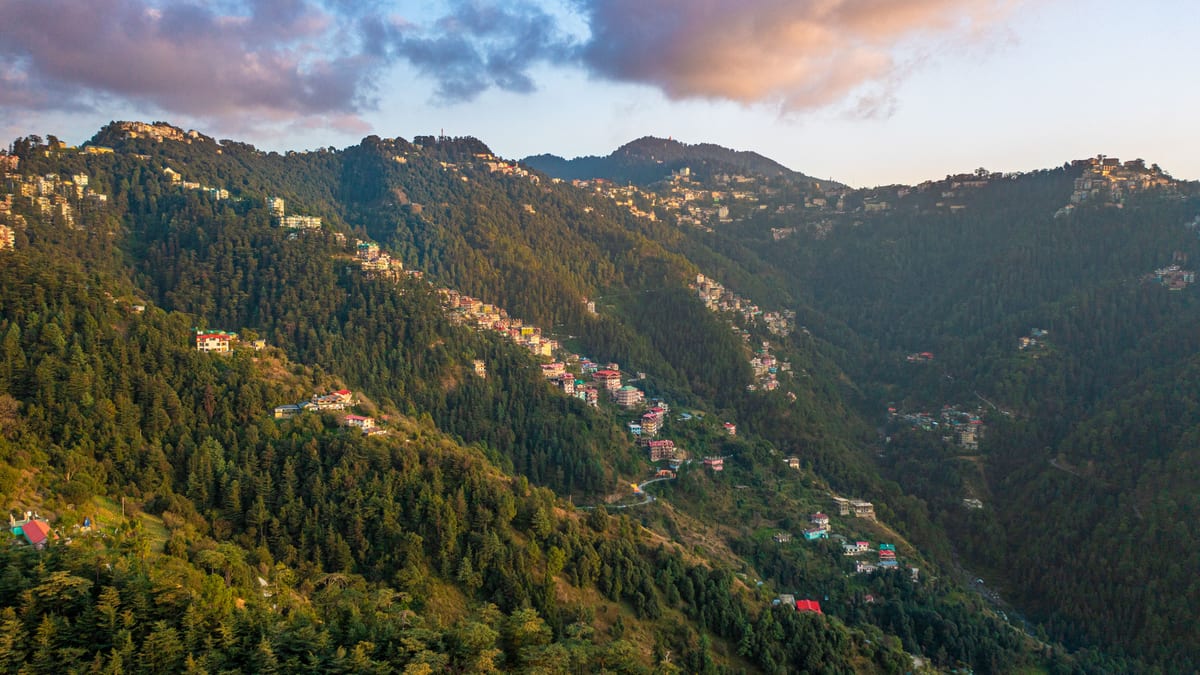
Madurai sits at the heart of a region rich in further exploration. The hill station of Kodaikanal lies roughly three hours north, offering cool air and forest trails in vivid contrast to the plains city. The sacred site of Rameswaram, one of the Char Dham pilgrimage destinations, is accessible by rail and road. Closer to the city, the Pazhamudhircholai temple and the Alagar Kovil shrine offer quieter, equally resonant experiences of Tamil devotional life.
Why Madurai Matters
India has many ancient cities. It has fewer ancient cities that have remained unbroken — that have carried their original identity, language, ritual, and creative life forward across two thousand years without a civilisational rupture. Madurai is one of them. It does not gesture toward its past. It is its past, continuously updated, continuously inhabited, continuously alive.
For the visitor, this means something practical and profound: you do not need to imagine what this place once was. It is still that place. The gods are still in residence. The poets' descendants still speak the language of the Sangam. The nectar, legend insists, is still sweet.