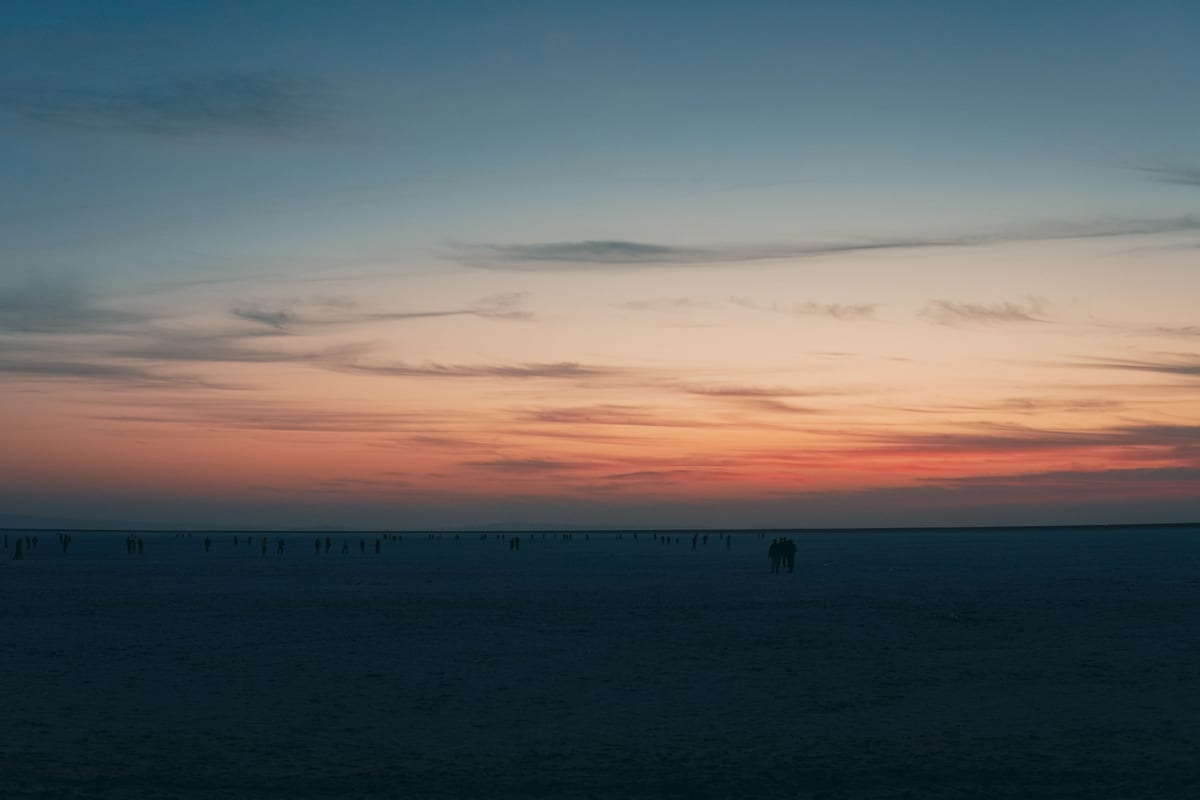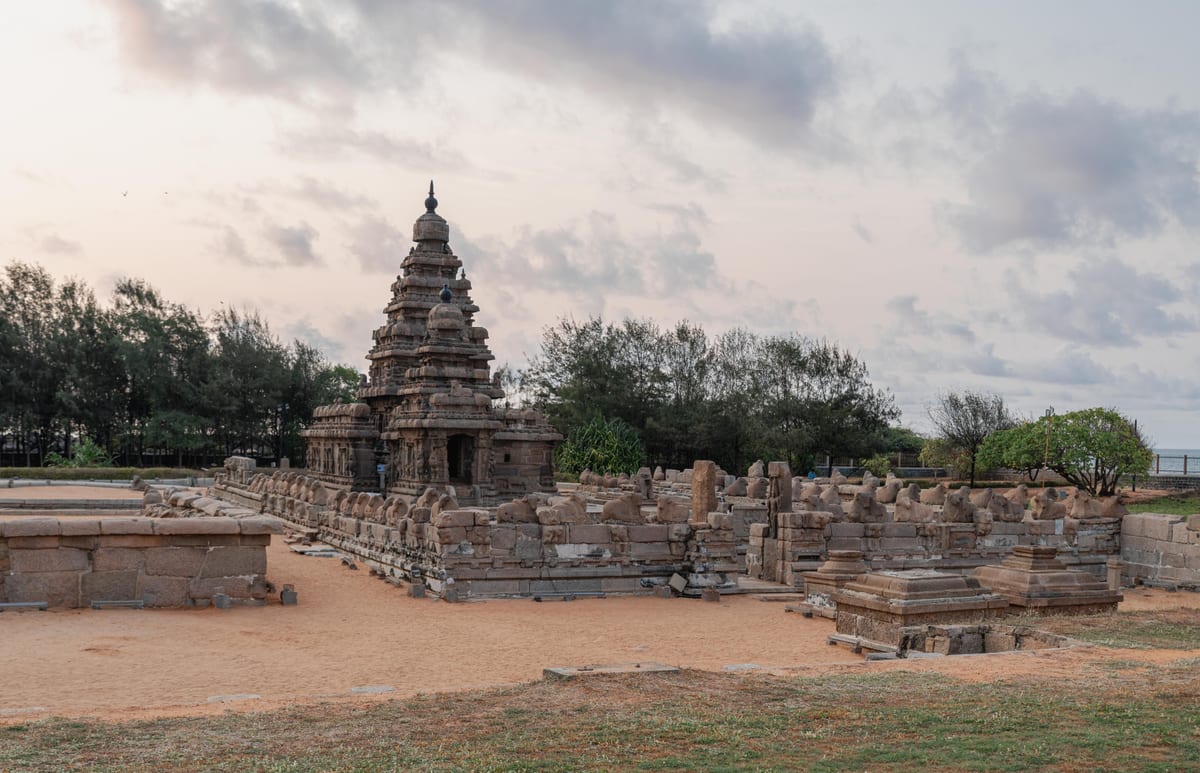
There is a moment, usually just after dawn, when the Shore Temple at Mahabalipuram turns the colour of a ripe tamarind. The Bay of Bengal stretches behind it, restless and silver, and the salt wind carries the smell of jasmine from the flower sellers who have already arranged their garlands on the stone steps. In that light, it becomes almost impossible to believe that the structure before you was raised in the 8th century CE, not because it looks new, but because it looks alive. That aliveness is Mahabalipuram's greatest gift to the traveller.
A City Carved from the Earth Itself
Mahabalipuram, also known as Mamallapuram, its older and equally beloved name, sits on the Coromandel Coast roughly 60 kilometres south of Chennai. In 1984, UNESCO inscribed its Group of Monuments on the World Heritage List. But the place was extraordinary long before any committee said so. Ancient mariners from Rome, Arabia, and Southeast Asia knew this shoreline as a landmark, a port, and a wonder. The Pallava dynasty, which ruled much of southern India between the 4th and 9th centuries CE, chose this stretch of granite-studded coast to build some of the most ambitious artistic experiments in Indian history.
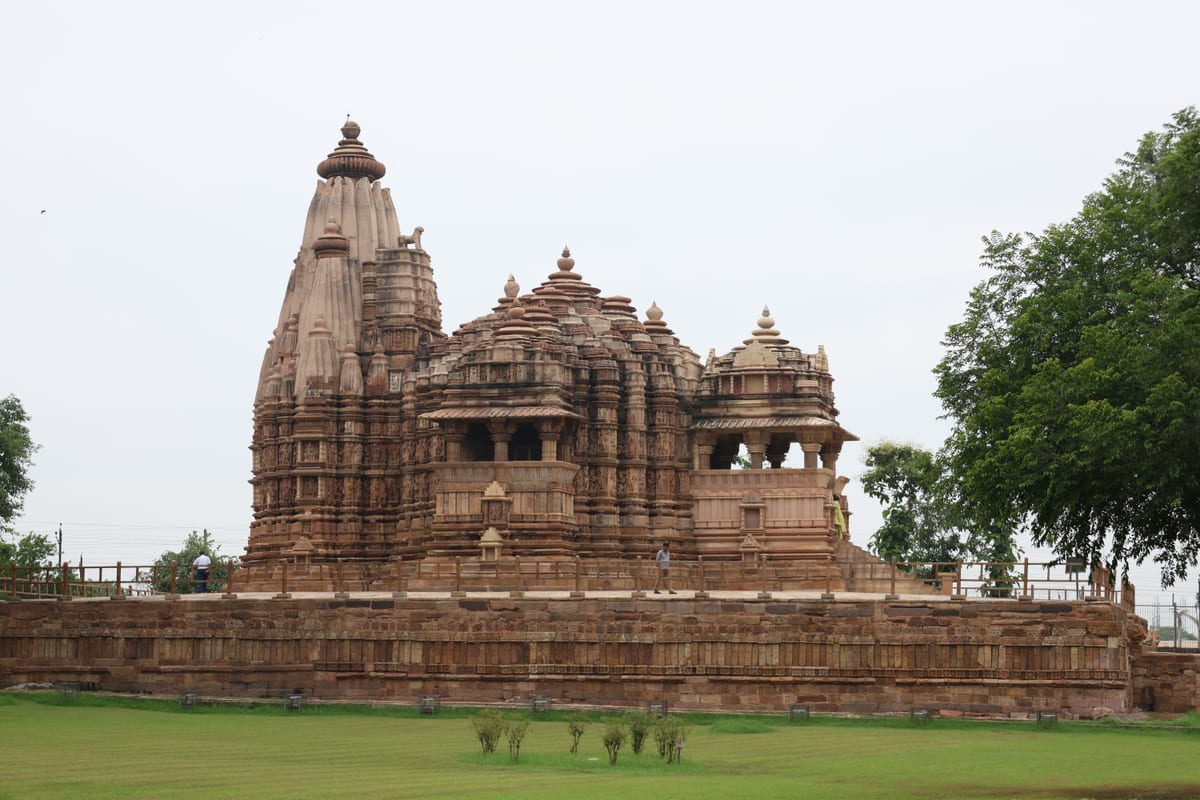
What makes Mahabalipuram singular is not any single monument but the sheer variety of architectural forms in one place. The Pallavas were working out, in real time, how to build Hindu temples in stone, a technology that had not yet been standardised. They excavated cave temples directly into the rock face, sculpted free-standing monolithic shrines called rathas, carved narrative panels onto open boulders, and raised structural temples with dressed stone. The result is an open-air laboratory of early South Indian temple architecture, where visitors witnessing it attentively are encountering an entire civilisation thinking aloud.
The Monuments: What to See and How to See It
The Pancha Rathas, the Five Chariots, offer perhaps the most visually dramatic introduction to the site. Carved from single granite outcrops in the southern part of the complex, each ratha takes a different architectural form, as if the sculptors were presenting a menu of possibilities for future temple builders. They are named after the Pandava brothers and Draupadi from the Mahabharata, though the association is largely folk tradition rather than historical record. Walk around them slowly. Notice how the stone animal guardians, a magnificent elephant, a lion, still stand sentinel, undisturbed by the centuries.
Then there is Arjuna's Penance, sometimes called the Descent of the Ganges, a bas-relief panel so large and so teeming with life that it takes several visits to fully absorb. Carved across a natural cleft in a granite boulder, the composition shows gods, humans, nagas, elephants, and ascetics all gathered around the life-giving river. It is one of the largest open-air rock reliefs in the world. The work carries the unmistakable energy of a civilisation that treated art as theology made visible.
The Shore Temple, standing at the water's edge, is a structural masterpiece and a site of continuous worship. Built under King Rajasimha in the early 8th century, it houses shrines to both Shiva and Vishnu, a theological breadth that speaks to the Pallava court's sophisticated religious culture. The temple has endured sea spray, salt erosion, and the devastating 2004 tsunami, which paradoxically also revealed the outlines of further submerged structures offshore, lending new credibility to the old local legend of the Seven Pagodas. Explore the full breadth of these monuments through the Incredible India official guide to Mahabalipuram.
Living Heritage: The Stone Carvers of Mamallapuram
What elevates Mahabalipuram above an archaeological site is what happens on its margins. The town is home to a thriving community of stone sculptors, descendants, in craft if not always in bloodline, of the Pallava artisans who built everything around them. Walk down any lane off the main road and you will hear the percussion of chisels on granite. Young men and women carve Natarajas, Ganeshas, and abstract geometric forms with a fluency that is clearly inherited. The Tamil Nadu government and national bodies have long supported this craft tradition. The Mahabalipuram sculpture school remains one of the most important centres of classical stone carving in India. This is the same conversation between the Indian hand and the divine, still ongoing.
When to Visit and How to Get There
The best time to visit Mahabalipuram is between October and March, when the heat along the Coromandel Coast is moderated and the northeast monsoon has largely passed. December brings the Mamallapuram Dance Festival, a week-long celebration of classical Indian dance forms held against the backdrop of the illuminated monuments.
The nearest major airport is Chennai International Airport, approximately 55 to 60 kilometres north. From Chennai, East Coast Road (ECR) connects the two in roughly 90 minutes to two hours by road, depending on traffic. State-run buses and private taxis operate regularly. The nearest railway station is Chengalpattu, about 29 kilometres inland, from which local buses and autorickshaws connect to Mahabalipuram.
Nearby, the Crocodile Bank Trust and the Tiger Cave rock-cut shrine, a lesser-visited Pallava monument a few kilometres north, make worthwhile half-day additions. The town offers a range of guesthouses and boutique hotels, many facing the sea, with Tamil cuisine, fresh seafood, rice, rasam, readily available in local restaurants.
Why Mahabalipuram Matters
India has many ancient sites. Mahabalipuram refuses to become merely historical. The temples are worshipped. The craft is practiced. The stories carved in granite, of Arjuna's austerity, of Vishnu's cosmic rest, of Durga's triumph, are still told by grandmothers to children in the same Tamil that echoes through Sangam literature two millennia old. To visit Mahabalipuram is not to visit a ruin. It is to step into a civilisation that never agreed to end.