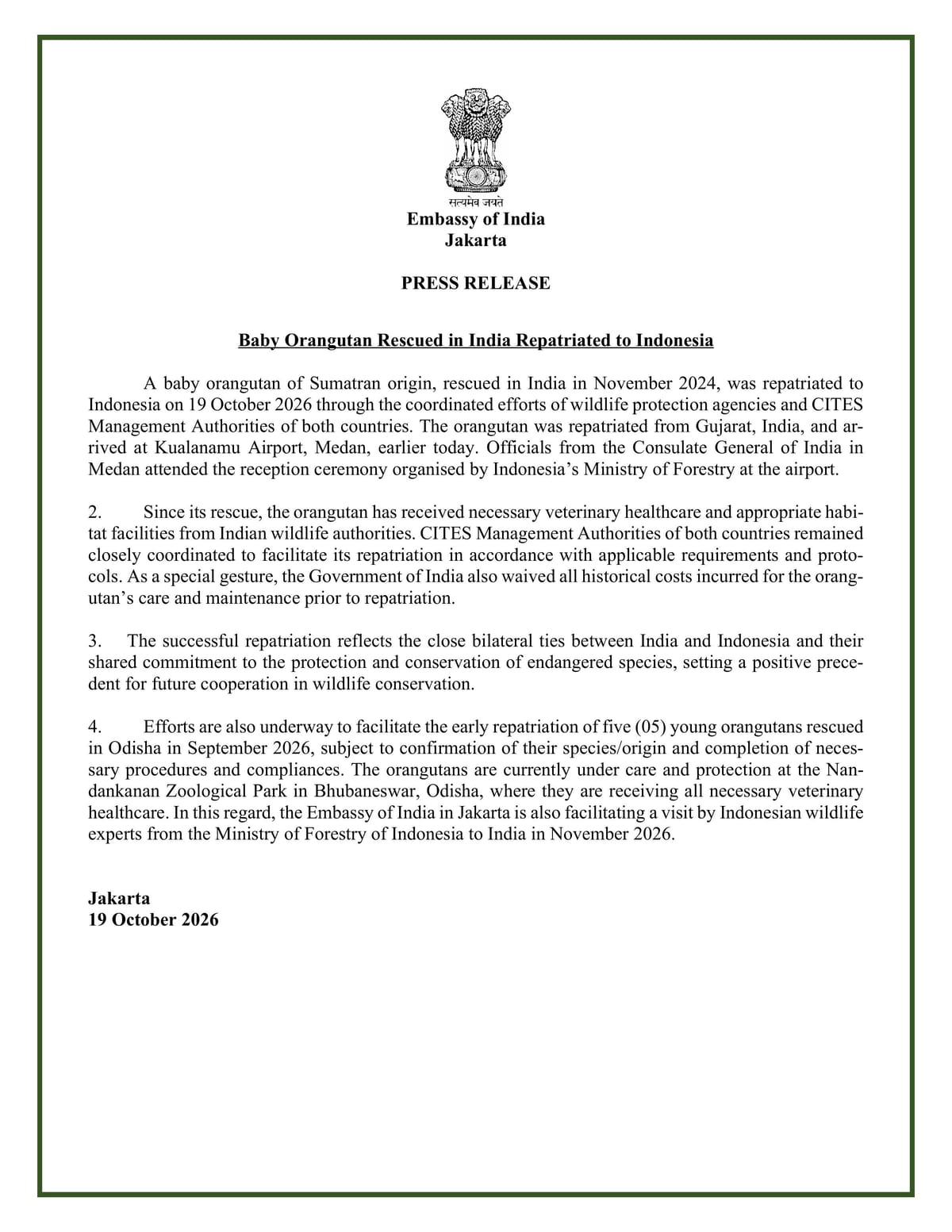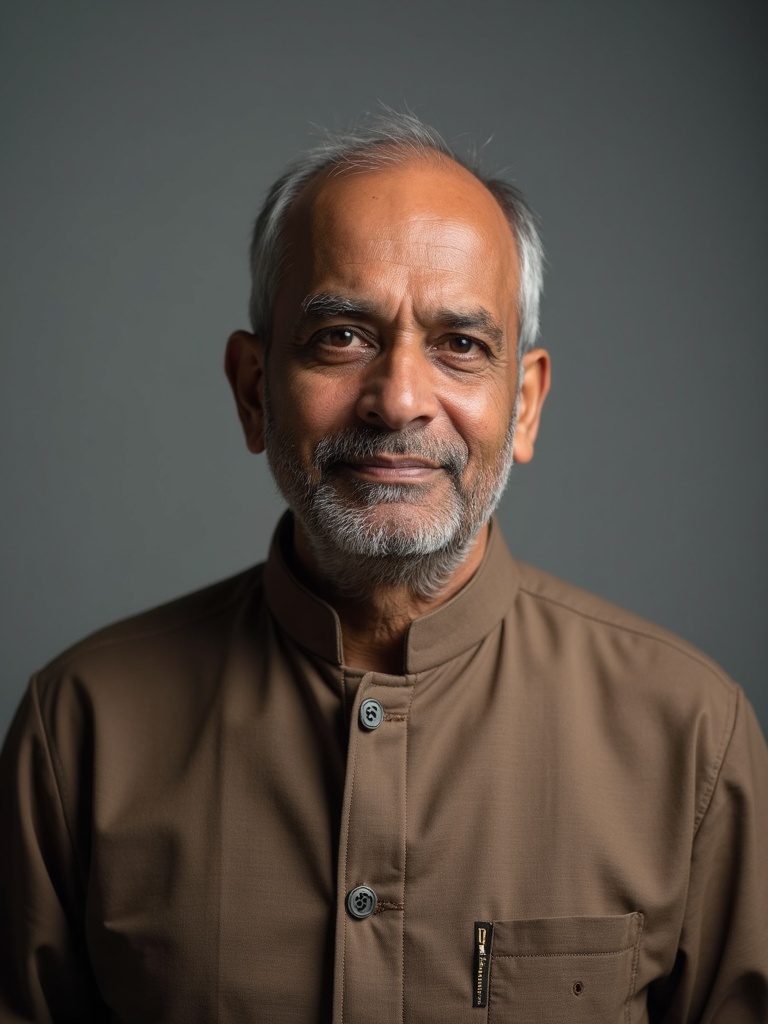

She left Kolkata in 2007 under Islamist protest and government inaction. She returned on Sunday, nineteen years older, and with arguments she had long made now vindicated by events. Taslima Nasreen's appearance in Kolkata is a political event with consequences for how India argues its most contested domestic reforms to itself and to the world.
At the press conference, Nasreen was direct on two demands that sit at the centre of Indian legislative debate. She called for a Uniform Civil Code across all of South Asia, noting that she has campaigned for it for forty years. "I have been fighting for the UCC for the past 40 years. This is much needed in any civilised country," she said. She then demanded the abolition of madrasas, describing them as "jihadi factories" that should be converted into secular schools, and linked both demands to the continuing denial of basic rights to women, including Hindu women in Bangladesh who, she alleged, lack even the right to divorce.
The Weight a Secular Voice Carries
The UCC debate in India has a structural liability that its supporters have never adequately addressed: it reads, to its critics, as a majority community using the legislature to dissolve minority personal law. That framing has dogged the argument since the Constituent Assembly debates and persists today regardless of how the government phrases it. Article 44 of the Constitution lists a uniform civil code as a Directive Principle of State Policy — a goal, not an obligation — and successive governments have treated it accordingly until the current one began moving.
Nasreen carries none of that liability. She is Muslim by birth, Bangladeshi by origin, secular by conviction, and feminist by vocation. She has paid for these positions with her home, her citizenship, and two decades of exile. When she says the UCC is a civilisational necessity, the argument cannot be dismissed as majoritarian assertion. It arrives as testimony from someone whom majoritarianism of a different religious variety destroyed.
This matters for how the UCC is argued beyond India's borders. The government's most persistent challenge is not the legal drafting — Uttarakhand enacted its version and the Law Commission has run consultations — but the international framing. In diaspora communities, in Western capitals where minority rights are the default interpretive lens for Indian policy, and at multilateral forums where neighbours with large Muslim populations sit, the UCC has been easiest to caricature as a Hindu nationalist project. Nasreen's Kolkata press conference hands the government and the intellectual ecosystem around civil law reform a counterargument that no RSS-affiliated commentator or BJP spokesperson could have produced from within.
Madrasa Reform: Security Logic Meets Rights Logic
Her demand on madrasas is sharper-edged and will generate louder controversy. "Abolish madrasas as they are jihadi factories, convert them into secular schools," she said — language blunt enough to make even sympathisers wince at the rhetoric while conceding the substance.
The substance is not fringe. India's own child rights commission has formally recommended mainstreaming madrasa students into conventional education, arguing that the existing structure denies children access to constitutional rights — a rights argument, not a communal one. Several states have moved toward regulatory frameworks for madrasa education, with Uttar Pradesh and Assam taking the most visible steps. The political backlash to each has been fierce, framed as an attack on Muslim identity rather than a child welfare initiative.
Nasreen reframes this not as a Hindu-Muslim question but as a question about what institutions owe the children inside them. She alleged that hatred against Hindus is taught in certain madrasas and mosques in Bangladesh — claims about Bangladesh, not India, but ones that land with weight in West Bengal, where the cultural and demographic ties to Bangladesh remain deep and the memory of the 1971 Liberation War is personal rather than historical for much of the electorate.
She also criticised Jamaat-e-Islami's rise as an opposition force in Bangladesh, warning that it threatens minorities and is pushing the country toward what she called "darkness." And she demanded the ban on the Awami League be lifted, arguing that banning political parties is undemocratic. These positions — secular, pluralist, suspicious of Islamist political organisation — sit within India's stated foreign policy interest in a stable, minority-protective Bangladesh.
Kolkata as Stage, West Bengal as Subtext
The choice of Kolkata as the venue for this press conference is analytically significant. This is a city where the UCC is not a neutral topic. It has a large Muslim electorate that has historically voted in consolidated patterns, a state government that has resisted UCC implementation and framed the debate as BJP communalism, and a civil society uncomfortable with the ideological optics of the current reform push.
Nasreen noted that she believes the central government supports freedom of speech, and she thanked BJP's Suvendu Adhikari for ensuring her safety during the visit. She contrasted this with her experience in 2007, when she was effectively expelled from the city. She was careful to add that her struggle is not for or against any political party — a caveat that will satisfy no one in Bengal's political atmosphere, but that signals an attempt to occupy non-partisan ground.
Whether West Bengal's ruling dispensation treats her return as a legitimate civic event or as a BJP-orchestrated provocation will shape how the visit registers in the state's politics. The Trinamool Congress has in the past positioned Nasreen's presence as inflammatory. That argument grows harder to sustain when the person making it is a woman driven from her home by religio-political violence and who frames every demand in the language of rights rather than religion.
The Longer Arc
Nasreen said something at the press conference that deserves attention: "My return to Kolkata after 19 years proves that injustice can be long but cannot be permanent." It is a statement about her own life, but it is also a theory of institutional change — that reform arrives late, but it arrives.
India's UCC debate is, at its root, about whether a democracy of this scale and complexity can agree on a common floor of rights beneath which no personal law system may go. That question has been deferred since 1949. What Nasreen contributes — arriving from a country where the absence of that floor has produced precisely the outcomes she describes — is not a policy brief. It is a demonstration. Bangladesh, absent secular civil law reform, is the counterfactual India's reformers have always cited but rarely had a living witness to articulate.
India's policymakers and civil society would do well to treat her return not as a political prop for any party's messaging cycle, but as a prompt for a more mature domestic conversation: one that separates the rights argument for UCC and madrasa reform from the majoritarian framing that has stunted it for decades. The secular feminist case for civil law reform has always been the strongest one available. It has simply, until now, lacked a voice in Kolkata capable of making it without being immediately categorised by party affiliation. That may have changed on Sunday.