There is a moment, somewhere on the road to Tawang, when the world as you know it simply stops. The highway narrows, the air thins, and the mountains, enormous, indifferent, magnificent, close in around you like the covers of a very old book. You are not merely travelling to a destination. You are travelling into a civilisation.
Tawang, the westernmost district of Arunachal Pradesh, sits at an altitude of roughly 3,048 metres above sea level, tucked into the eastern Himalayas near the borders of China and Bhutan. It is, as the Incredible India portal describes it, the Cradle of Tibetan Buddhism in the Himalayas. Every corner of this town, every prayer flag snapping in the mountain wind, every monk in crimson robes crossing a stone courtyard, reflects a living heritage.
The Journey Is Part of the Pilgrimage
Getting to Tawang requires intention. The nearest major airport is Lokpriya Gopinath Bordoloi International Airport in Guwahati, Assam, from which travellers drive through the foothills and ascend into the Himalayan ranges. Tezpur Airport, closer and more intimate, is another option. The nearest railway station is Rangapara (RPAN), after which the road takes over entirely.
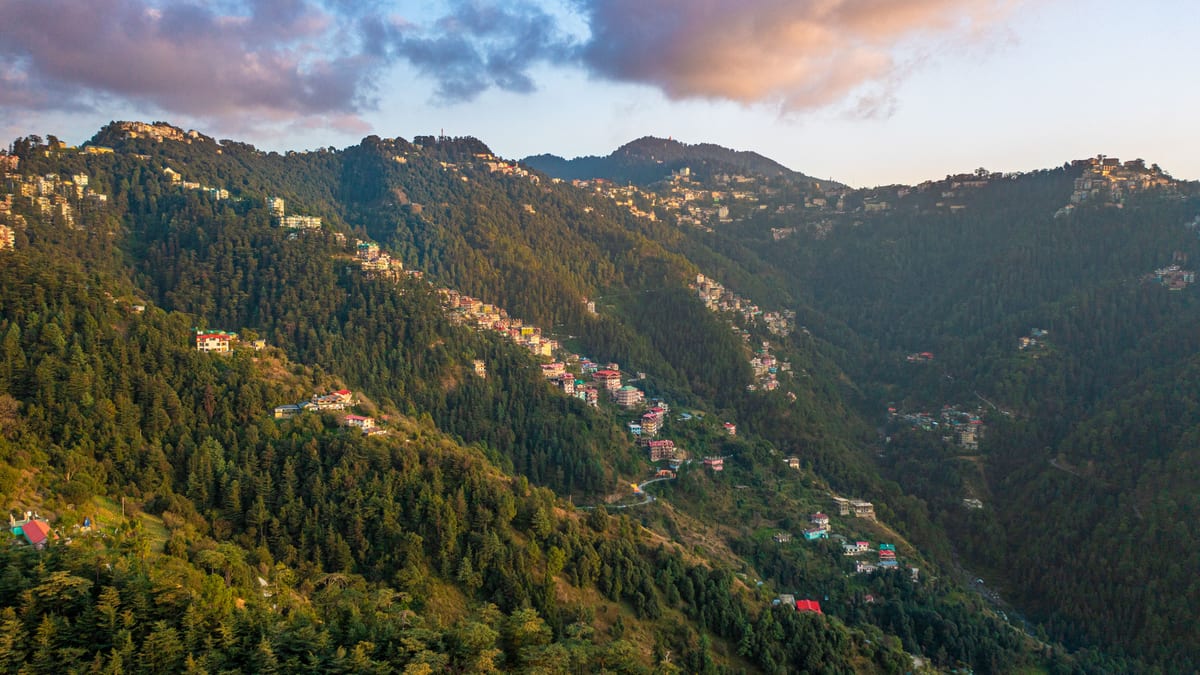
The winding mountain highways that lead to Tawang are not merely logistical corridors. Snow-capped peaks emerge and retreat. Waterfalls fling themselves off cliff faces. Valleys so green they seem almost aggressive in their colour stretch below hairpin bends. The drive demands patience and rewards it.
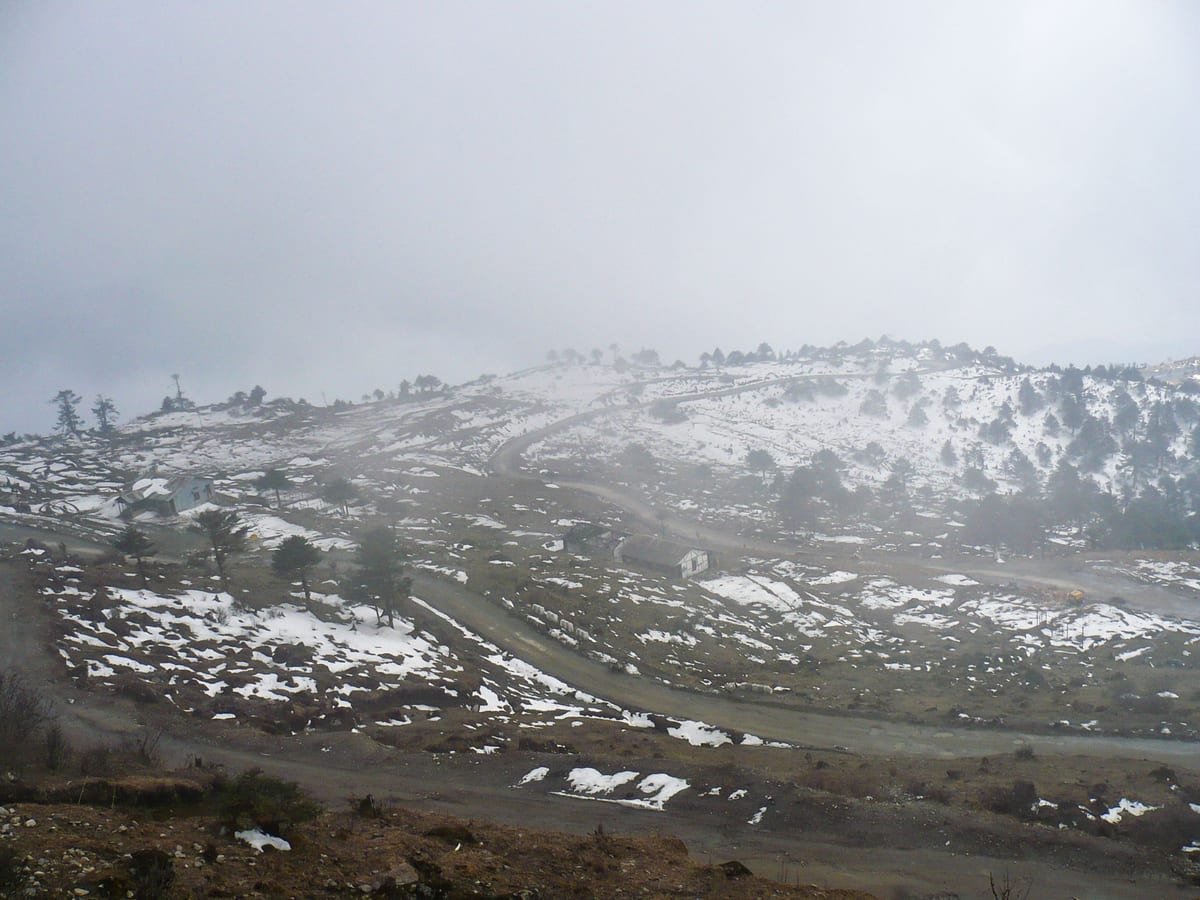
A mandatory pause occurs at the Sela Pass, one of the highest motorable passes in the world, sitting at over 4,170 metres. Here, a frozen lake reflects the sky, and the air carries a crystalline quality that makes every breath feel like a small ceremony. In winter, the pass transforms into a world of white silence. In summer, it wears wildflowers. In every season, it is humbling.
The Monastery That Holds the Sky
Nothing prepares you entirely for the Tawang Monastery. Founded in the 17th century, it is the largest monastery in India and the second largest in the world. Standing before it, the numbers cease to matter and only the scale of the thing remains. The complex rises in tiers of whitewashed walls, golden rooftops, and fluttering prayer flags, commanding the surrounding landscape with a serene authority.
Inside, the monastery holds Buddhist art, architecture, and spiritual practice. Painted murals cover the walls of prayer halls. Statues of the Buddha gaze outward with expressions that are simultaneously ancient and present. The atmosphere is one of continuity. Monks chant, students learn, and the monastery pulses with the quiet rhythm of a living institution. This is India's civilisational depth made visible: not a monument frozen in time, but a tradition that woke up this morning and will wake up again tomorrow.
The Monpa People and the Culture That Breathes
The indigenous Monpa community is the soul of Tawang. Walking through the villages that dot the landscape around the town, you encounter a people whose relationship with this land is measured in generations. Their hospitality is unhurried and genuine.
Monpa cuisine is the food of high-altitude pragmatism and cultural memory, hearty, warming, and particular to this corner of the world. And then there is Ara, the locally brewed rice beer, offered with a ceremonial ease that communicates volumes about how this community understands welcome. To share a bowl of Ara in a Monpa home is to participate in something that no guidebook can fully contain.
The Monpa language, their traditional weaving, their masked dances performed during festivals like Losar, all constitute a living cultural archive. India's heritage story is frequently narrated from its great plains and temple cities. Tawang asks you to expand that story to include the mountains and the people who have always called them home.
Into the Wild: Tawang's Natural Wonders
For those whose devotion is to nature rather than to monasteries, Tawang still delivers abundantly. The Nuranang Waterfall, also known as Jang Falls, cascades from a height of over 100 metres with a force that you feel in your chest before you see it with your eyes. The surrounding forests invite trekking, and the high-altitude lakes, pristine, cold, and improbably blue, reward those willing to walk. Camping in this wilderness, beneath skies unbothered by light pollution, recalibrates the soul.
When to Go and What to Know
The best time to visit Tawang is between March and October, when the mountain roads are open and the landscape is at its most accessible and visually dramatic. Spring brings blooming rhododendrons. Summer offers clear skies and lush greenery. October delivers crisp air and extraordinary light. Winter is spectacular but demanding, Sela Pass can close under heavy snowfall, so travel during these months requires careful planning and local guidance.
Foreign nationals require an Inner Line Permit (ILP) and a Protected Area Permit (PAP) to visit Tawang, given its sensitive border location. Indian nationals require an ILP, which is straightforward to obtain online or at designated permit offices. Plan ahead, carry copies, and treat the paperwork as a rite of passage for one of India's most extraordinary destinations.
Why Tawang Matters
India's identity is vast enough to hold the Taj Mahal and the Tawang Monastery simultaneously, the Mughal and the Himalayan Buddhist, the plains and the peaks, the ancient and the contemporary. But Tawang tends to be under-told in India's own story, overshadowed by more accessible destinations and more famous ruins. This is a loss. What Tawang offers is not a postcard but a perspective: that civilisation, in its truest sense, is not something you visit in a glass case. It is something that wakes up every morning, chants its prayers, brews its Ara, and carries on.
Come to Tawang not to see India's past. Come to witness one of its most quietly magnificent presents.