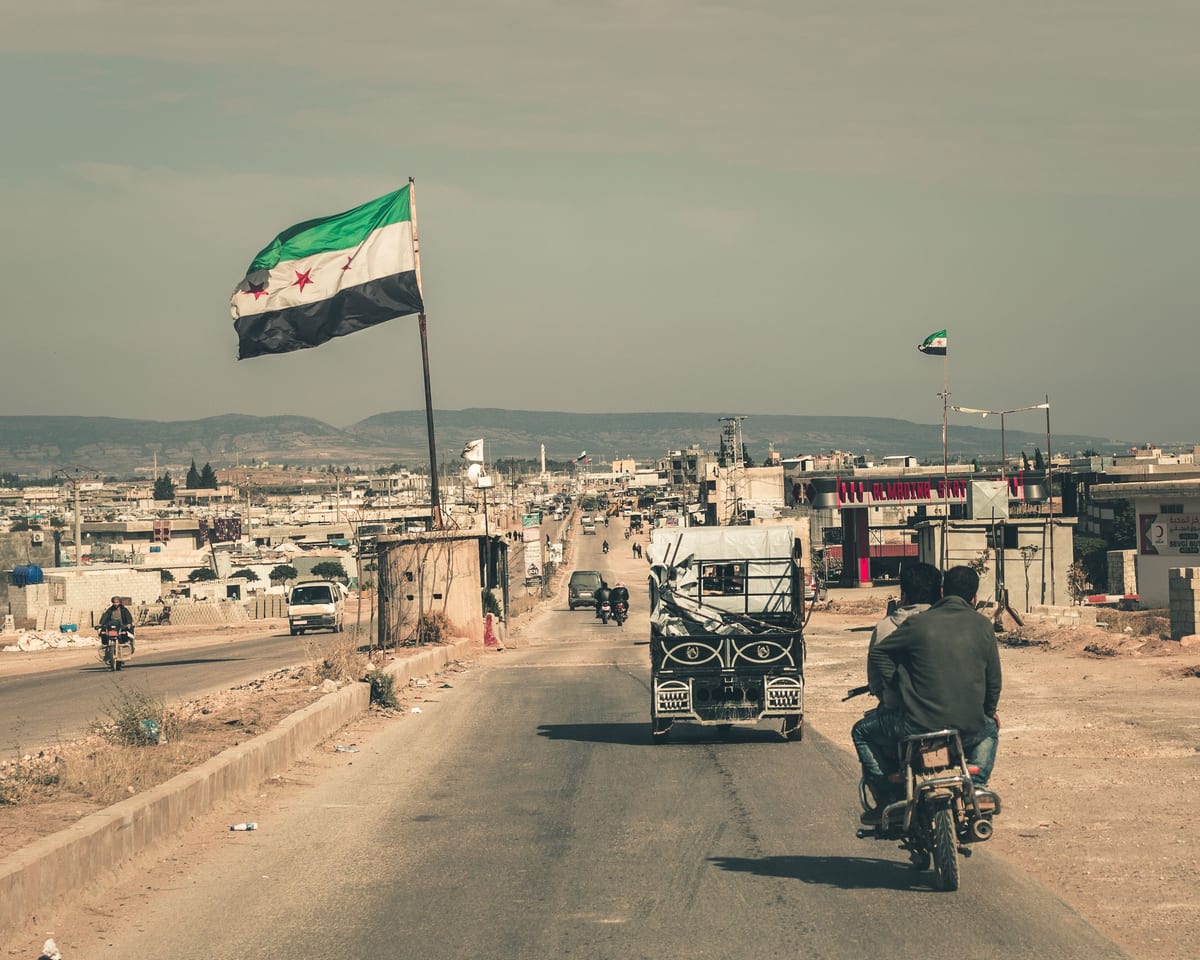
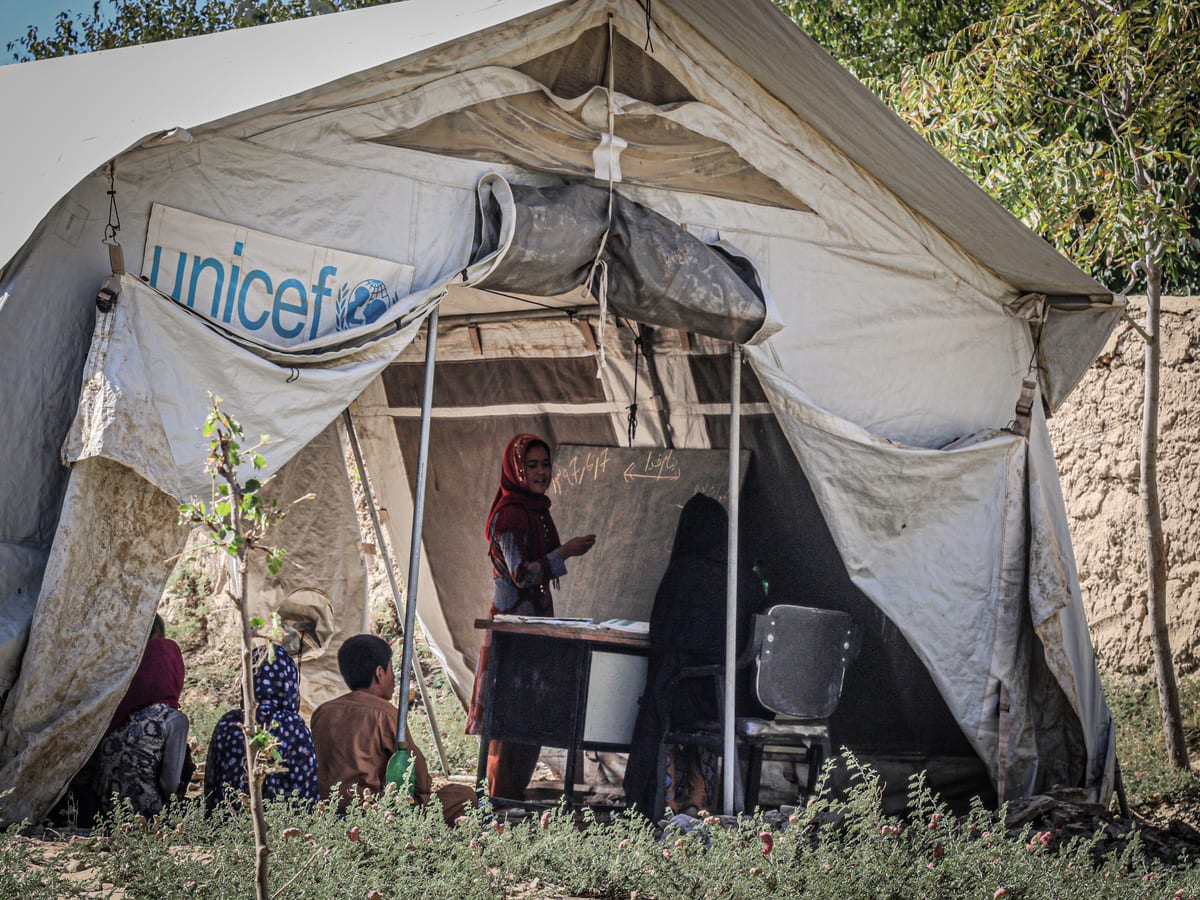
Flash floods tore through eastern Afghanistan on July 22, killing at least 26 people — 23 of them in Nuristan, a mountainous province whose terrain is as unforgiving as its administrative neglect. Homes, markets, and roads vanished into the surge. Search teams are still looking for those reported missing. Aid agencies are racing against geography: Nuristan's roads, already degraded by years of underinvestment, were among the first things the water destroyed.
The disaster is not unusual in its mechanics. Flash floods strike Afghanistan every monsoon season, accelerated by deforestation and upstream glacial instability that climate science has been tracking for years. What makes this moment particular is where it lands — in a province the Taliban has never fully controlled, in a country where every humanitarian crisis is simultaneously a governance test and a geopolitical signal.
Nuristan and the Limits of Taliban Administration
Nuristan sits in Afghanistan's northeast, bordering Pakistan's Chitral district. Its terrain made it one of the last regions to fall under central government authority even during the republic, and the Taliban's administrative reach there is thinner than in Kabul or Kandahar. The province has historically functioned as a transit corridor — for goods, for people, and for militant networks that have used its valleys and passes across multiple decades of Afghan conflict. When governance collapses or is absent, that geography fills with whoever is organized enough to use it.
The floods do not create this problem — they accelerate an existing one. Taliban administrative capacity in Nuristan was already limited before the waters came. With roads severed and local markets destroyed, the province faces weeks of isolation. Aid agencies responding to the UN's emergency alert will struggle to reach survivors not merely because of the terrain but because the infrastructure connecting Nuristan to the rest of Afghanistan has been swept into the rivers. The missing persons still being searched for may remain missing not through lack of effort but through lack of access.
This is the compounding logic of disaster in under-governed spaces: the flood does not merely kill people; it destroys the roads, markets, and communication links that allow any response, whether governmental or humanitarian, to function at all.
India's Investment and Its Limits
India spent two decades building presence in Afghanistan — the Salma Dam in Herat, the Zaranj-Delaram highway in Nimroz, the Parliament building in Kabul, and dozens of smaller projects in schools, clinics, and infrastructure across the country. That investment was never purely philanthropic; it was a long-term bet that Afghan civil society, if given material reasons to associate development with India's presence, would constitute a durable strategic asset. For much of the period between 2001 and 2021, it worked. Indian engineers, teachers, and officials built a reservoir of goodwill that outlasted multiple changes in Kabul's political winds.
The Taliban's return in August 2021 did not erase that goodwill, but it severed India's ability to act on it. New Delhi reopened its Kabul embassy in 2022 and has provided humanitarian wheat and medical aid through UN channels and bilateral arrangements, navigating a careful line between functional engagement and formal non-recognition of the Taliban government. India participates in regional formats — the Moscow Format, SCO discussions — that address Afghan stability without requiring New Delhi to extend diplomatic legitimacy to a government whose ideology and gender policies it finds indefensible.
The Nuristan floods bring this tension into sharp relief. India has the relationships, the prior investment record, and the institutional credibility with Afghan civil society to be a meaningful responder in a crisis like this. What it lacks is a delivery mechanism — a humanitarian architecture capable of operating independently of whether Kabul is formally recognized. When disasters strike, the gap between goodwill and operational reach becomes visible in ways that quieter diplomatic moments conceal.
The Space That Opens When India Hesitates
Analysts working on South and Central Asian security have noted that eastern Afghan provinces, including Nuristan, are precisely the spaces where Taliban administrative failure creates openings — for humanitarian leverage, for militant consolidation, and for foreign powers willing to move quickly. China has been building relationships with Taliban authorities in Kabul with a transactional directness that India's non-recognition posture forecloses. Pakistan, despite its own structural instability, retains physical proximity and cross-border networks in the Pashtun belt that give it an on-the-ground presence India cannot replicate from a distance.
The argument made by analysts such as Harsh V. Pant at the Observer Research Foundation is that India must treat humanitarian engagement in Afghanistan as a strategic instrument rather than a charitable afterthought. This was the implicit logic of India's entire pre-2021 Afghanistan policy, the one that built the Salma Dam and the Parliament building not merely to generate electricity and house legislators but to write India's name into Afghan institutional memory. The same logic applies in crisis response. A country that appears when the mountains break and the roads dissolve accumulates a different kind of credit than one that channels funds through UN pipelines from a safe diplomatic remove.
Avinash Paliwal's research on India's historical Afghanistan engagement documents this pattern: development and disaster relief, deployed at moments of Afghan vulnerability, have consistently been among New Delhi's most effective tools for building elite and popular loyalty. The corollary is equally clear — inaction during crises cedes that space to rivals who are less encumbered by recognition questions and more willing to move fast.
The Architecture India Does Not Yet Have
The structural problem the Nuristan disaster exposes is institutional rather than political. India's caution about formally recognizing the Taliban is entirely defensible — and shared by most democracies. But non-recognition has become a constraint not just on diplomacy but on humanitarian delivery, and there is no reason those two things must be coupled this tightly. The UN's Office for the Coordination of Humanitarian Affairs runs pipelines into Afghanistan that do not require contributing states to recognize the Taliban. India already uses these channels for wheat and medical aid. The question is whether New Delhi signals an immediate readiness to contribute to emergency flood relief through those pipelines publicly and specifically, linking the offer to its established pattern of Afghan engagement — or whether the response arrives quietly, weeks later, after the cameras have moved on.
The SCO and the Moscow Format offer a parallel institutional lever. Both formats include states with working relationships with Kabul — Russia, China, Iran, the Central Asian republics — and both have discussed Afghan humanitarian conditions as a regional stability matter. India could push within these formats for a standing multilateral humanitarian response mechanism for Afghanistan, one that pools contributions from regional states without requiring any individual member to navigate the recognition question bilaterally. This would allow India to act with institutional cover rather than unilateral exposure and would build a durable architecture rather than a one-time gesture.
None of this is complicated in concept. The complication is political inertia — the tendency to treat Afghanistan as a problem to be managed at arm's length rather than a theatre where India's soft-power capital, built over twenty years, depreciates with each crisis that passes without a visible Indian response. Nuristan's floods will recede. The roads will eventually be rebuilt. But the memory of who appeared during the emergency, and who did not, tends to persist in Afghan political culture long after the immediate crisis fades. That memory is precisely what India spent two decades investing in — and precisely what an absent or delayed response now puts at risk.
The question New Delhi faces is not whether to engage with a Taliban-administered Afghanistan — that question was settled when the Kabul embassy reopened in 2022. The question is whether engagement remains a posture or becomes an architecture: a set of durable mechanisms capable of translating India's goodwill and investment record into actual reach when the mountains break and the people in the valleys need someone to arrive.