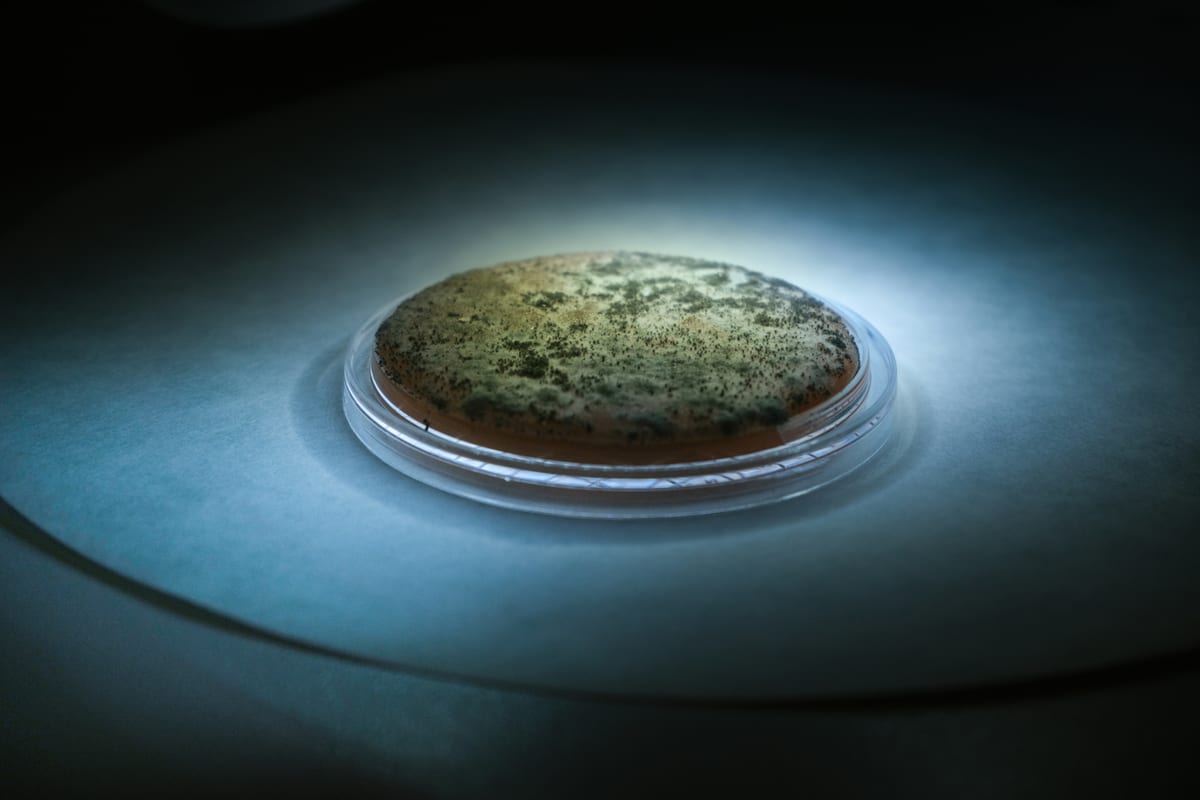
Fungi kill. That sentence sounds almost absurd — most people associate fungal infections with athlete's foot or nail discolouration, not with intensive care units and organ failure. Yet the World Health Organization's new guidance on fungal disease and antifungal resistance, published in late June 2026, opens with a precise and uncomfortable observation: invasive fungal infections kill more people annually than malaria, and the pathogens responsible are developing resistance to the limited medicines available to treat them. The WHO's plan urges countries to integrate fungal disease into national health strategies, expand surveillance, and address a critical shortage in the antifungal drug pipeline. Most governments have not done any of these things. India, more than almost any other country, cannot afford to keep ignoring the category.
The Neglected Pandemic in Plain Sight
Fungi are not transmitted between people in the way influenza or tuberculosis spread, so they generate no epidemic panic. Their victims are predominantly people who are already sick — patients on immunosuppressants, people with uncontrolled diabetes, cancer patients, those recovering from prolonged ICU stays. Fungal infection becomes a complication rather than a headline, and complications rarely mobilise health ministries. The WHO's guidance contests this logic, arguing that the aggregate burden — across Aspergillus, Candida, Cryptococcus, and the moulds responsible for mucormycosis — is a public health emergency hiding in the wards of tertiary hospitals worldwide.
Antifungal resistance sharpens the urgency. The pipeline of new antifungal drugs is thin compared to antibacterials. Existing treatments carry significant toxicity and cost; in many lower-income settings, the preferred first-line drug for life-threatening fungal infections remains amphotericin B, a molecule first approved in the 1950s. The WHO has flagged that resistance to this and newer azole-class drugs is spreading across clinical settings, driven partly by overuse in agriculture and healthcare alike. Without deliberate intervention in surveillance, drug development, and prescribing behaviour, effective antifungal treatment may become increasingly unavailable for the patients who need it most.
The 47,000-Case Lesson India Has Not Yet Institutionalised
India's relationship with invasive fungal disease acquired global visibility in the spring of 2021. As the COVID-19 second wave overwhelmed hospitals, clinicians across the country began reporting an explosion of mucormycosis — a rare, aggressive infection caused by a family of moulds — in patients who had recently recovered from COVID-19, many of whom had received high-dose corticosteroids as part of their treatment. Within weeks, India had recorded over 47,000 cases of what the media quickly labelled 'black fungus', a number that dwarfed every previous documented outbreak of this infection anywhere in the world. The Indian government declared it a notifiable disease under the Epidemic Diseases Act and launched emergency procurement of amphotericin B, whose global supply chains were suddenly insufficient. Patients died waiting for medicine that simply did not exist in enough quantity.
That crisis should have triggered a sustained national framework on fungal disease. It did not. The emergency response was real and rapid, and the Indian Council of Medical Research published national management guidelines for mucormycosis in 2021. What followed was not a standing institutional architecture — dedicated surveillance nodes, integrated reporting into the national antimicrobial resistance monitoring network, a funded research programme. The broader National Action Plan on AMR, which India had in place since 2017, addressed antifungal resistance only as a peripheral concern. The mucormycosis crisis was treated as an anomaly generated by COVID-19 rather than as evidence of a structural vulnerability in India's patient population.
India's vulnerability is structural. The country carries the world's largest diabetes burden, and diabetic patients face dramatically elevated risk of invasive fungal infection. The widespread use of steroids — both in clinical settings and, as the 2021 crisis underlined, sometimes outside them — suppresses the immune responses that keep environmental fungi from becoming pathogenic invaders. Tertiary hospitals in Indian cities now routinely encounter Candida auris, an emerging antifungal-resistant pathogen first described from a patient in India in 2009. Researchers including Dr. Anuradha Chowdhary of the Vallabhbhai Patel Chest Institute in Delhi have documented its spread and urged national surveillance protocols aligned with the WHO's fungal priority pathogen list. The data, where it exists, is alarming. The problem is that the data largely does not exist — India's epidemiological surveillance for fungal disease remains fragmented, hospital-by-hospital, dependent on individual institutional capacity rather than a national reporting system.
The Pharmacy of the World Cannot Ignore Its Own Wards
India has built its global health identity substantially around pharmaceutical manufacturing — the capacity to produce generic medicines at scale and at prices that make treatment accessible across the developing world. The 'Pharmacy of the World' designation is more than branding; Indian manufacturers genuinely supply a substantial share of global generic drug consumption. When amphotericin B shortages hit in 2021, India was simultaneously a major source of production and a country unable to secure sufficient supply for its own patients.
The WHO's new guidance identifies critical gaps in the antifungal drug pipeline and invites countries with manufacturing depth to step into that space. Indian generic pharmaceutical companies have the production infrastructure to scale antifungal supply significantly. What has been missing is the policy signal — the incentive structure that would direct R&D and production investment toward next-generation antifungals rather than toward therapeutic categories with larger established markets. India's Production Linked Incentive framework has demonstrated the capacity to redirect industrial investment when policy intent is clear. Extending that logic to antifungal drug development would position Indian manufacturers not merely as suppliers of existing molecules but as contributors to the pipeline the WHO has flaged as dangerously thin.
The scientific capacity exists alongside the manufacturing base. Researchers like Dr. Arunaloke Chakrabarti, formerly of PGIMER Chandigarh, have contributed to the global burden-of-disease literature on invasive fungal infections and built an internationally recognised body of work on mucormycosis. India has mycologists of genuine global standing. What it lacks is an institutional mechanism that converts their expertise into formal WHO advisory influence — nominations to technical expert groups, contributions to standard-setting processes, a seat at the table where fungal pathogen priority lists are constructed. The WHO's new guidance creates such an opening: countries that demonstrate surveillance capacity, clinical data, and technical expertise will shape the framework. Countries that remain absent will have frameworks imposed on them.
From Burden to Architecture
The country that carries the largest burden of a disease does not automatically hold the largest voice in setting the standards for managing it. Voice requires presence: data, experts, funded positions in international bodies, formal national positions that give Geneva delegations something to argue for. On tuberculosis, India has gradually built this kind of presence. On HIV, it engaged early and shaped treatment access norms in ways that served both domestic and global interest. On antifungal disease, the work has not yet begun at that level.
The WHO's new plan is an invitation. Countries that publish standalone national action plans on fungal diseases — distinct from the broader AMR framework, with dedicated surveillance infrastructure and funded clinical research — will define what best practice looks like. Countries that continue treating fungal infection as a residual category in a larger plan will find themselves receiving guidance rather than writing it. India has the disease burden, the pharmaceutical capacity, and the scientific talent to be in the first group. The question is whether the institutional architecture to translate those assets into WHO-level influence gets built before the window for shaping the framework closes.