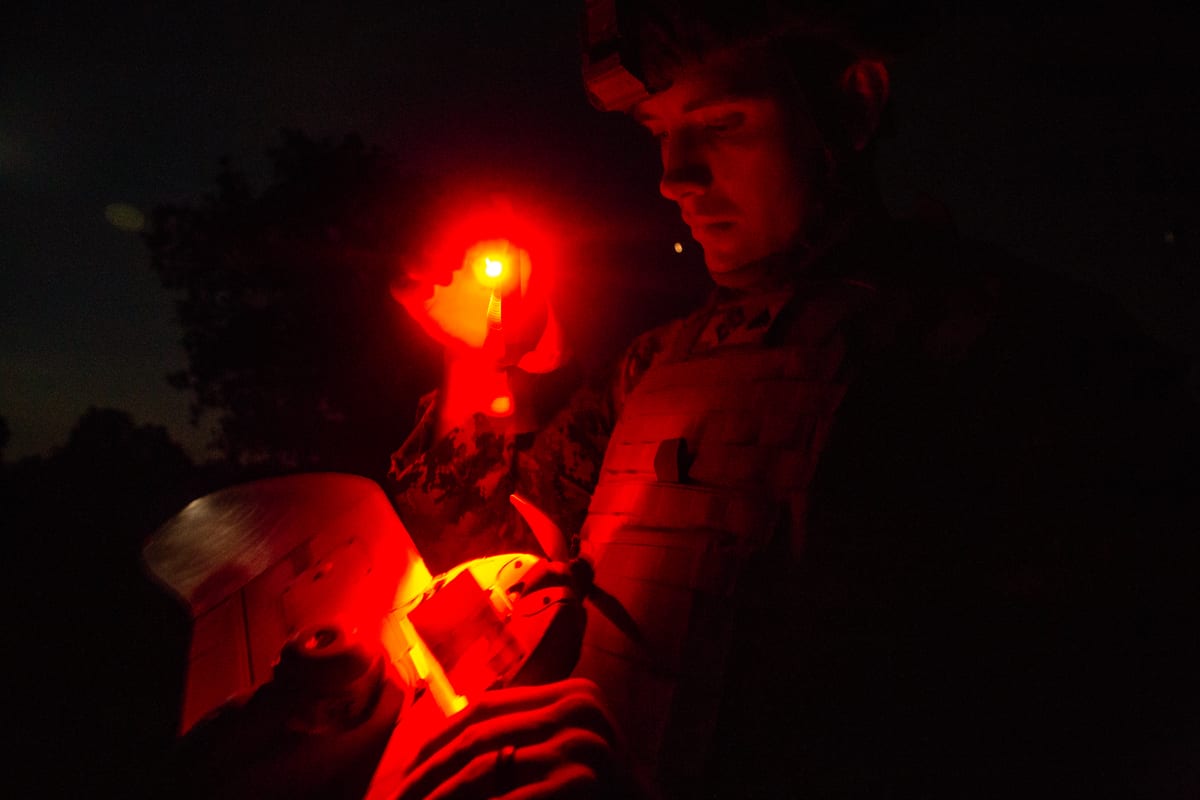
A drone attack set fire to an oil tanker in the Black Sea with 23 Indian crew members aboard, NDTV reported on Tuesday. The strike is the latest in a maritime corridor that has become a live-fire zone for merchant shipping.
The Liberian-flagged tanker was carrying an all-Indian crew when it came under drone fire. Initial details did not name the vessel or specify casualties. Russia and Ukraine have been heavily targeting commercial shipping around the Black Sea since the conflict began in 2022. Merchant tonnage, fuel cargoes and the crews who run them have been drawn into the war's outer edge.
A pattern of fire
Separate incidents in the same period have drawn India's condemnation. Asia News Network reported that India condemned an attack on the MT On Peace off Oman that injured 11 Indian crew members. DD News separately reported a Black Sea attack in which three Indian crew members were safe. These episodes occur across two fronts: Oman's approaches and the Black Sea's narrower lanes, where the war's targeting of shipping has not paused for civilian crews.
The concentration of Indian nationals aboard these vessels is not incidental. India is one of the world's largest suppliers of merchant navy crew, a labour force that keeps tankers, bulk carriers and container ships moving through the world's most dangerous transits. When a Liberian-flagged tanker burns in the Black Sea, the first phone calls go to families in Mumbai, Kochi, Visakhapatnam and smaller port towns where seafaring runs through the local economy.
For those families, the first hours after such a report follow a pattern. A phone rings. A name is not on the initial list. A cousin calls the manning agent. The shipowner's office in Singapore or Dubai offers no immediate answer. The crew list, confirmed only after the local authorities share it, becomes the most important document in the world.
War-risk corridors, war-risk premiums
Shipowners already pay steep war-risk insurance for Black Sea voyages, and attacks like this push premiums higher. Manning agents in India report that crew sometimes refuse sailings through war-risk zones, or demand higher wages and clearer repatriation guarantees. That pressure flows down to the seafarer who signs the contract, boards the vessel and calculates the odds of a drone strike against a month's salary.
For Indian trade, the Black Sea is not a primary lane, but the conflict's effect on global fuel and freight costs is transmitted through markets India does rely on. Every interruption to a loaded tanker tightens the supply of available tonnage. Every tightening raises the freight rate for the next cargo, including crude and refined product shipments headed toward Indian refineries. A burning tanker off the Black Sea coast affects pricing inputs that reach Indian markets.
The consular machinery
New Delhi's standing position on the Russia-Ukraine war has been consistent: an immediate cessation of hostilities, dialogue, protection of civilian lives and maritime commerce. India's diplomatic language with European partners has carried the same note in recent bilateral statements. That formulation now has to answer for an attack where the civilians are Indian nationals aboard a Liberian-flagged tanker. The tension is not between Russia and Ukraine alone; it is between the diplomatic statement and the seafarer on deck.
After a specific attack, India's consular machinery typically engages the shipping company, the crew manning agents and the flag-state authority. No named Indian think tank or parliamentary voice has spoken on this particular tanker fire in the citations reviewed, and the seafarer unions had not issued public advisories as of publication. That silence does not mean nothing moves. In earlier incidents, New Delhi's missions in Kyiv and Moscow have worked to verify crew lists, secure medical care and arrange repatriation when needed. A public condemnation, while useful as a signal, does not get a burned crew member onto a hospital ship or a flight home.
What India can push for is not novel, but it is practical. Through the International Maritime Organization, New Delhi can argue for protected corridors or at least clearer targeting discipline around civilian merchant vessels in the Black Sea. Bilateral demarches to Ukrainian and Russian authorities can reiterate that Indian seafarers are not parties to the conflict and should not be treated as extensions of either side's war economy. The flag state, Liberia, has a role too, but the crew's own government must ask the direct question: how was this tanker allowed to sit in a known drone zone without a naval escort, a convoy or a routing adjustment?
The longer view
India's merchant navy workforce has always absorbed risk; it is the nature of the trade. What has changed since 2022 is that a war between two states now treats civilian shipping as a legitimate target. For the 23 Indian crew on that Liberian tanker, and for the thousands who will sign the next contract, the Black Sea is no longer a sea route; it is an active fire line. New Delhi's protective instincts, its diplomatic notes and its consular reach will determine how many of them come home whole.
The lesson for Indian shipping families is the same one the oil market already knows. War-risk pricing is not an abstract insurance line; it is the cost of sending a son or brother into a corridor where the next drone can find a tanker's deck. The attack reported from the Black Sea on Tuesday is one data point in a longer, more dangerous pattern. The next Indian crew member to raise a war-risk objection before a Black Sea voyage will not be refusing to work; he will be reading the sky.