As of 19 July 2026, the Democratic Republic of the Congo had recorded 2,423 confirmed Ebola cases, 967 deaths, and 469 recoveries — numbers that capture a disease still on the move, even as the World Health Organization reported early signs of stabilisation. UN health teams and partners are working across eastern DRC where the outbreak has taken deepest hold, but persistent armed insecurity continues to obstruct contact tracing, vaccination teams, and the supply chains that underpin containment.
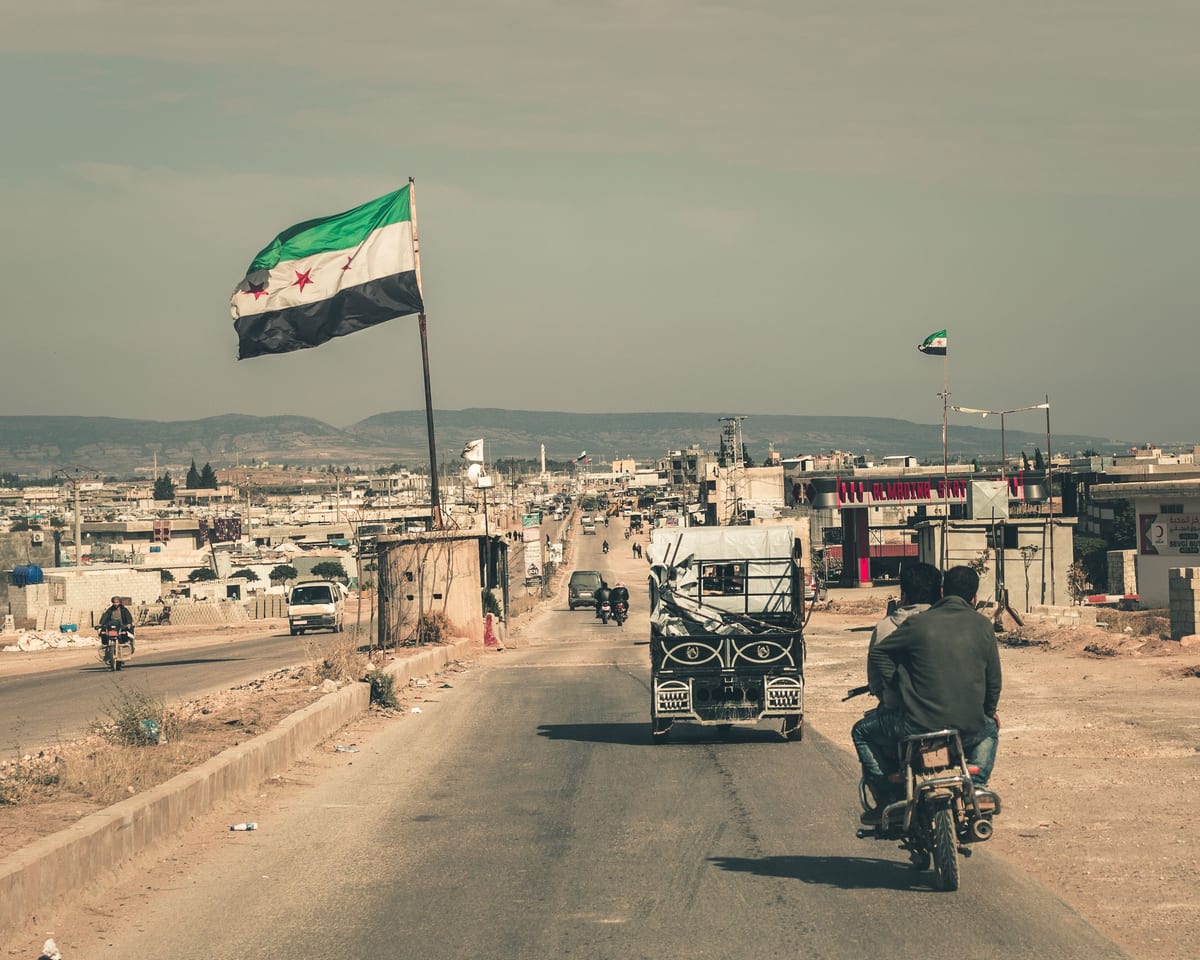
Eastern DRC is not a single bounded crisis zone; it is a patchwork of active conflict, displacement camps, and porous borders that has frustrated every prior Ebola response in the region. The 2018–2020 Kivu outbreak — the second largest in recorded history — demonstrated how insecurity can turn a containable disease into a regional emergency. The current surge shows worrying structural similarities, even if WHO's cautious optimism suggests the trajectory is not yet as severe.
The Machinery of Response — and Its Gaps
WHO's Health Emergencies Preparedness architecture was built largely from lessons of DRC's repeated Ebola cycles. Ring vaccination using the rVSV-ZEBOV vaccine (marketed as Ervebo) has become a cornerstone of field response, and its deployment in the current outbreak has contributed to the recoveries now being counted. But supply chains for Ebola vaccines remain thin and geographically concentrated — a structural vulnerability that COVID-19 should have resolved but did not.
The procurement pipeline for outbreak-priority biologics flows almost exclusively through a small number of Western manufacturers and a handful of multilateral purchasing arrangements. When demand surges — as it has in eastern DRC — the system strains not because the science is absent but because manufacturing capacity was never distributed to match the disease burden. This gap is what analysts tracking India's pharmaceutical ambitions have identified as both a market opportunity and a genuine equity obligation.
Oommen C. Kurian of the Observer Research Foundation has argued that India's vaccine manufacturing strength must be paired with permanent WHO pre-qualification pipelines for outbreak-priority pathogens, including Ebola, so that Indian producers can respond within procurement timelines that match outbreak dynamics. The current cycle — from WHO alert to manufacturer engagement to pre-qualification to delivery — runs far longer than the window an Ebola outbreak gives health authorities on the ground.
Indian Troops in the Blast Radius
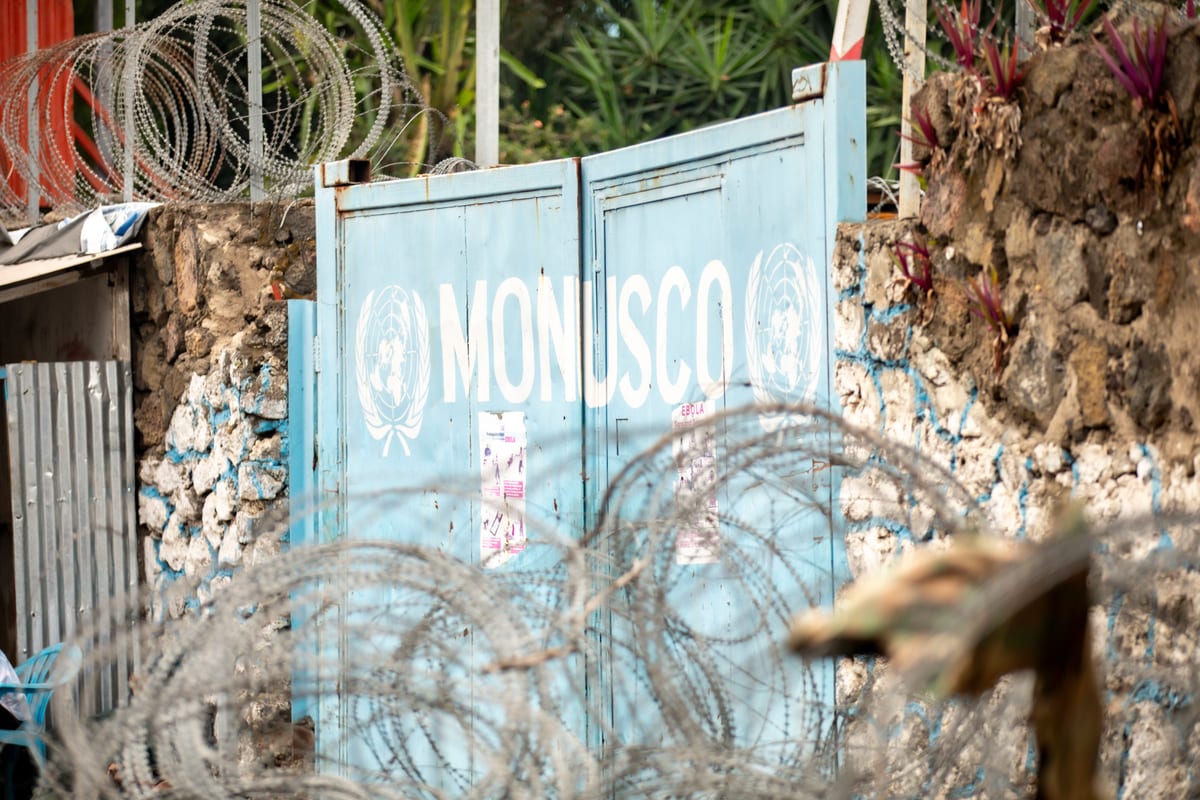
India contributes uniformed personnel to MONUSCO, the United Nations Organisation Stabilisation Mission in the DRC, making Indian soldiers and military observers a physical presence in the same eastern region where the virus is spreading.
Peacekeeping and disease have intersected badly before. The cholera crisis in Haiti — traceable to a UN peacekeeping contingent — became one of the most damaging episodes in the organisation's modern history, both in human cost and institutional credibility. Eastern DRC presents a different pathogen and a different operational environment, but the underlying logic is the same: troops rotating into an active outbreak zone carry biosecurity risks that standard force health protection protocols may not fully address for a haemorrhagic fever with Ebola's transmission profile.
IDSA's Africa Studies programme has noted that Indian peacekeepers in MONUSCO represent a soft-power and security commitment that demands continuous health risk assessment, particularly as conflict and outbreak dynamics reinforce each other in the east. The Ministry of External Affairs and the Ministry of Defence share responsibility for that assessment — through India's mission in Kinshasa and through the force health protection chains that govern troop welfare in UN deployments. A formal health advisory, coordinated with the DRC government, is the minimum institutional response the situation warrants.
Pharmacy of the World — or Preferred Supplier?
India's COVID-19 vaccine export programme — Vaccine Maitri — sent doses across Africa when the continent's commercial access was near zero. It generated genuine goodwill, but it also revealed the limits of reactive generosity. Doses arrived after the acute phase had passed in several recipient countries; the procurement architecture that could have made India a first-responder had not been pre-built. The DRC outbreak offers a narrower but structurally identical opportunity: get ahead of the procurement cycle, not behind it.
Adar Poonawalla of the Serum Institute of India has publicly indicated interest in Ebola vaccine manufacturing partnerships, pointing to the institute's platform capacity as applicable to VSV-EBOLA and similar vectors — contingent on WHO or Gavi signalling sustained demand. That conditionality is the crux of the problem. Demand signals from WHO come after outbreak confirmation; pre-qualification takes months; manufacturing ramp-up takes longer still. By the time an Indian-manufactured Ebola vaccine could reach eastern DRC through current processes, the outbreak would either be contained or catastrophic.
The solution is structural, not reactive. India's engagement with WHO's Health Emergencies Preparedness unit — proactively registering Serum Institute and Bharat Biotech as surge-capacity partners for outbreak-priority pathogens — would compress that cycle. It would also anchor India's position in the global health security architecture in a way that no post-hoc donation programme can replicate. The difference between being the pharmacy of the world and being the preferred supplier of the world is the difference between responding to demand and shaping the system that generates it.
The Pandemic Treaty and Africa's Endemic Burden
India has been an active voice in WHO negotiations toward a Pandemic Treaty — advocating for technology transfer, IP flexibility, and equitable access to medical countermeasures. These are the right positions. But the treaty's drafting has been dominated by COVID-19's profile: a respiratory pathogen capable of reaching every continent within weeks. Ebola's geography is different. It is African-endemic, outbreak-prone, and consistently under-resourced precisely because it does not threaten wealthy countries with the same immediacy.
Incorporating explicit provisions for African outbreak-endemic diseases into India's Pandemic Treaty advocacy would sharpen the equity argument considerably. It would move India's position from general principle — access should be equitable — to specific architecture: here is how WHO pre-qualification, IP waivers, and surge-manufacturing agreements would work for the next Ebola, Marburg, or Lassa outbreak. That specificity separates a posture from a policy.
India's trade ties with East Africa — Kenya, Uganda, Tanzania — and the diaspora communities embedded in those economies add another layer of interest. A sustained DRC outbreak that moves westward across Uganda's border would not be a distant humanitarian concern; it would arrive at supply chains and communities that New Delhi tracks closely. The corridor from Kinshasa's eastern provinces to Kampala is shorter than the diplomatic distance between New Delhi and that risk currently suggests.
Nine hundred and sixty-seven deaths in eastern DRC is a number that will grow before it shrinks. India's response to that reality — through its peacekeeping force protection, its manufacturer pre-qualification lobbying, and its Pandemic Treaty advocacy — will determine whether this outbreak becomes a case study in Indian health leadership or another missed appointment with strategic consequence. The window, as WHO's own cautious optimism implies, will not stay open indefinitely.