
New Delhi: The Congress parliamentary strategy group met at Sonia Gandhi's residence on Friday and agreed to oppose the proposed delimitation bill with full strength, even as two INDIA bloc allies signalled they would not stand with the party, according to an Aaj Tak report.
Congress president Mallikarjun Kharge, Rahul Gandhi and other senior leaders attended the meeting. The party decided to make every effort to block the bill, as it had done earlier.
The bill and the battle line
The central government is expected to bring a delimitation bill in this week's special session of Parliament. Congress has made its position clear: oppose it fully, even if the House numbers do not favour the party. Sources told Aaj Tak that Gandhi said, हम इसे हर स्तर पर पूरी ताकत से हराने के लिए लड़ेंगे
('We will fight to defeat it with full strength at every level'). He added that the party would try to bring all opposition parties together.
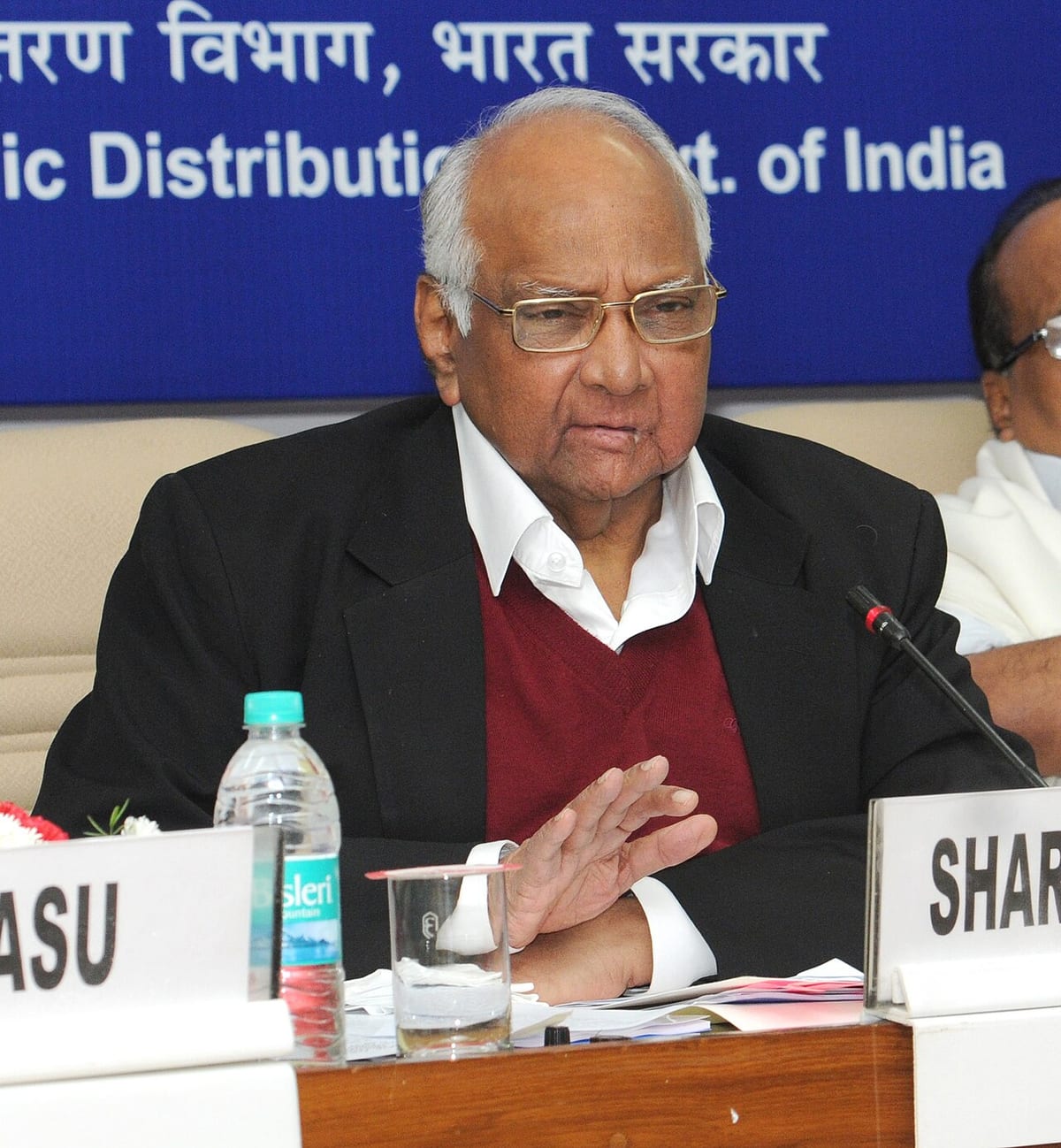
Gandhi named DMK, Samajwadi Party and Sharad Pawar's party as key players in building a united opposition strategy. Yet the same allies are moving in different directions.
The NCP and DMK break
Sharad Pawar's party has said openly that it is not with the INDIA bloc on the delimitation bill and will vote in favour in the House. DMK has indicated that if the central government seriously considers its demand, it too may support the bill. These two positions complicate Congress's arithmetic. The party had wanted a joint opposition front; it now faces allies who see the bill as an opening rather than a threat.
Congress signalled that parties taking a different line on delimitation could affect the working of the INDIA bloc.
Why delimitation is federal arithmetic
Delimitation decides how many Lok Sabha seats each state gets. It is not a procedural redrawing of boundaries. It is the arithmetic of federal power. A formula that shifts seat share toward faster-growing northern states and away from Tamil Nadu, Kerala, Karnataka and Andhra Pradesh would alter the federal compact, state bargaining power and possibly the design of finance commission transfers tied to population. The opposition's internal fracture weakens its capacity to negotiate that arithmetic.
The women's reservation sequencing
Congress frames the government's move as a sequencing game. The party argues that the Modi government is using the special session to push delimitation instead of implementing the women's reservation law, with the aim of securing what the party calls a फर्जी दो-तिहाई बहुमत
('fake two-thirds majority') in the Lok Sabha. That sequencing matters. If delimitation reallocates seats before a gender quota is implemented, the political map changes under conditions that favour the party holding the numbers.
The allegation is specific. Congress says the government wants to use delimitation to manufacture a Lok Sabha arithmetic it could not win at the ballot. Whether that claim holds would depend on the bill's seat-expansion formula, which the government has not made public in the reporting cited here. The charge frames the vote as a fight over the legitimacy of a parliamentary majority, not only the logistics of seat allocation.
The southern question
The bill's sharper edge is regional. States that have controlled their population growth and delivered better development outcomes worry they will be penalised in Parliament. This could shift Lok Sabha seat share toward populous northern states and away from the south, which is why regional parties that anchor the INDIA bloc in the south are anxious. Congress has not yet offered a concrete alternative model that would reassure these allies.
The cost of a fractured bloc
A divided INDIA bloc does more than weaken floor coordination. It shifts the negotiating centre. If NCP and DMK can be peeled away with side assurances, Congress cannot claim to speak for the southern and western regional parties as a collective. The bill's real victim is not any single party but the idea of a common federal position on parliamentary seat distribution. The absence of that common position lets the delimitation formula be decided as a numbers contest rather than a federal bargain.
What Congress can still do
Opposition without a formula is not a strategy. Congress could move beyond internal bloc arithmetic and propose a delimitation model that caps total Lok Sabha seats or anchors allocation to an earlier population benchmark, so that faster-growing states gain representation without stripping seats from the south. That would give DMK and other regional parties a reason to stay in the bloc. Without such a concrete offer, the bill becomes a test of numbers, and the numbers are not currently on Congress's side.
The special session will show whether Congress can convert its rhetorical opposition into a bargaining position. For southern states, the question is not which party leads the opposition but who will defend their federal stake when the headcount begins.