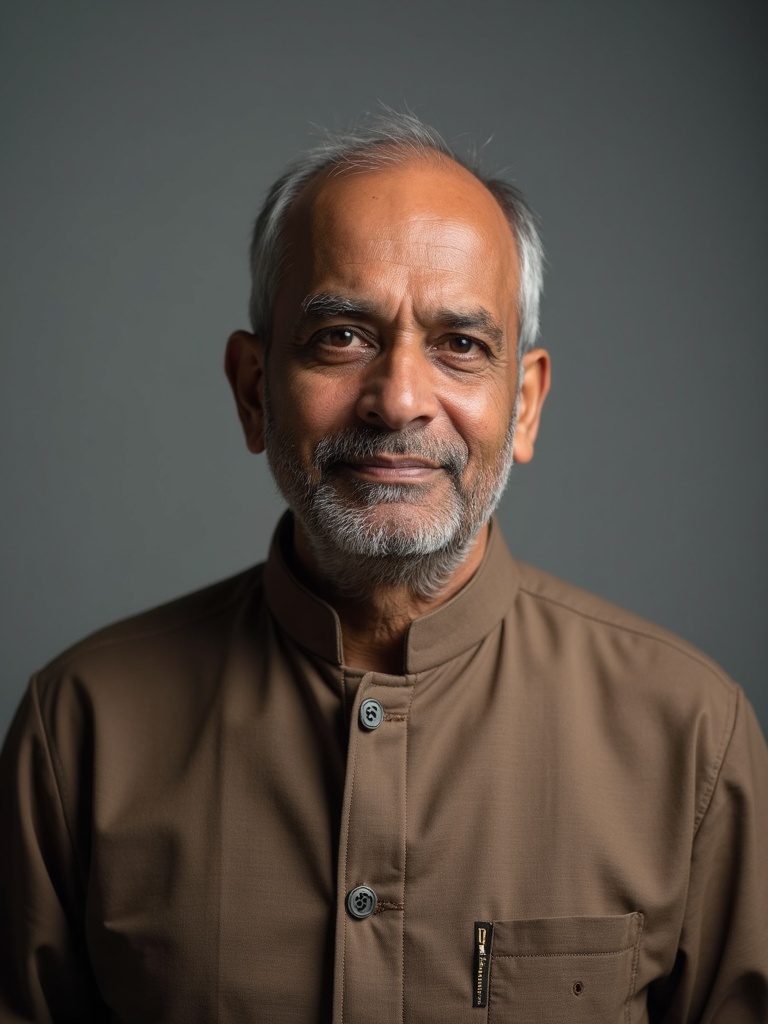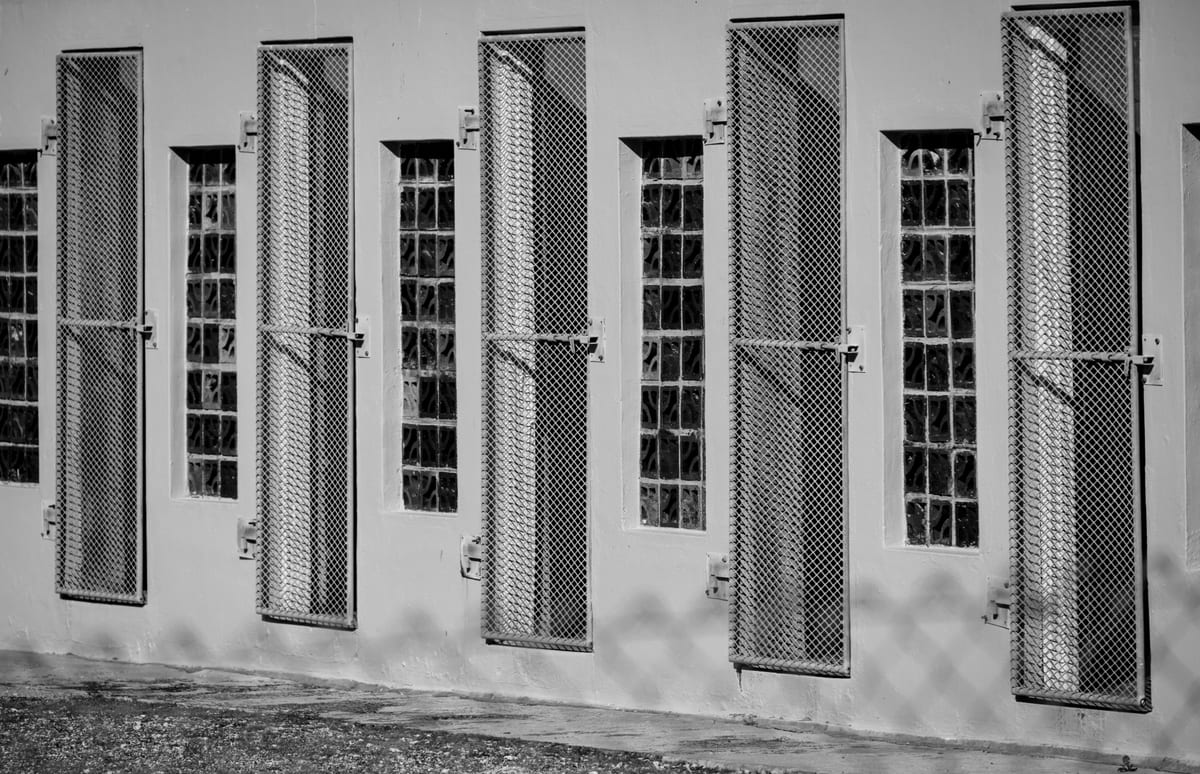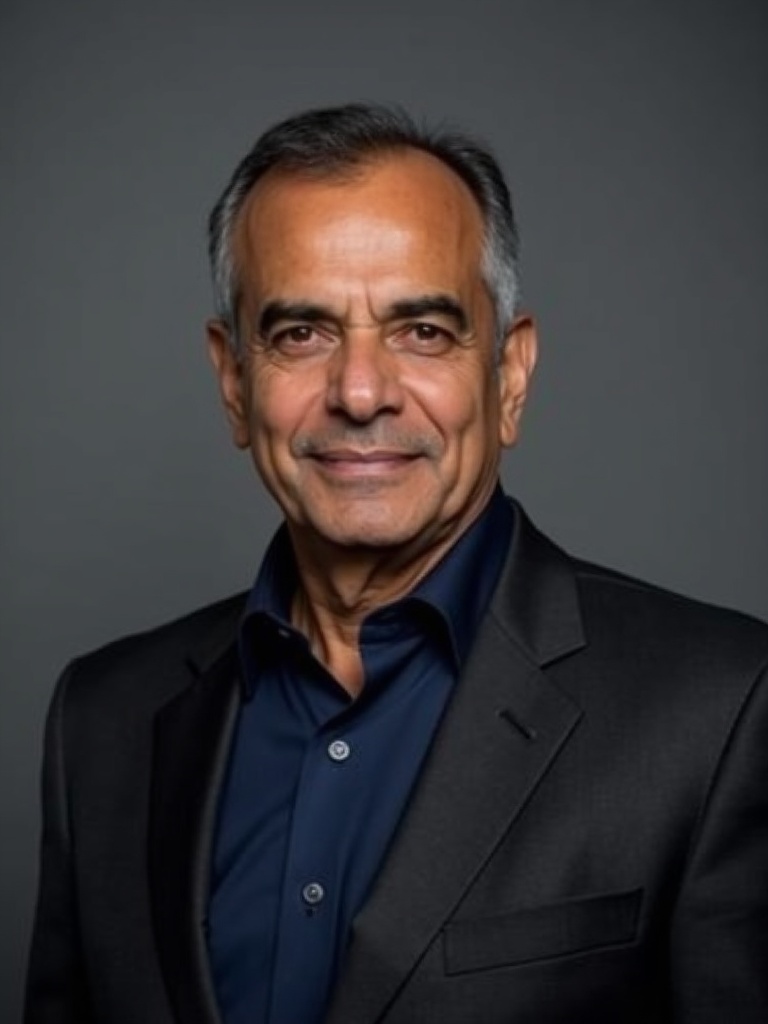
Delhi Police detained YouTuber Dhruv Rathee and about 150 protesters on Saturday morning, hours before a planned demonstration at Jantar Mantar demanding the resignation of Chief Election Commissioner Gyanesh Kumar. LiveMint reported that Rathee was detained by Gurugram Police after he refused to comply with their instructions. NDTV put the total number of detainees at more than 400.
The national capital moved under an extraordinary security blanket. More than 20,000 police and paramilitary personnel were deployed, barricades went up around Jantar Mantar a day earlier, and 45 Delhi Metro stations shut from 9 pm Friday to 6 pm Saturday, according to LiveMint. Entry and exit gates at major interchange hubs, including Rajiv Chowk, New Delhi, Central Secretariat, Patel Chowk and Kashmere Gate, remained closed, NDTV reported.
The Demand Behind the Protest
The Cockroach Janta Party, led by Abhijeet Dipke, and student bodies AISA and SFI, along with the Opposition's INDIA bloc, called the protest to demand Chief Election Commissioner Gyanesh Kumar's resignation. Their grievance rests on an Indian Express investigation that found Election Commissioners Sukhbir Singh Sandhu and Vivek Joshi objected on record 14 times in 10 months to decisions taken in the Commission's name without their knowledge. Those decisions included a change to Form 6, which new voters fill, and centralised control of ECINet, the software used to prepare electoral rolls during the Special Intensive Revision.
The investigation does not prove wrongdoing by the Chief Election Commissioner. It documents a period of internal dissent that has now become public protest. The protesters view the objections as evidence that the Commission's autonomy has been compromised. The Commission treats the objections as part of its institutional record, to be addressed through its own procedures.
Police Denial and the Legal Threshold
Delhi Police denied permission for the demonstration on Friday, citing a previous breakdown of law and order in the Jantar Mantar area. The denial is the legal basis for the detentions. Under Indian law, the right to assemble peaceably is a fundamental right, but it is subject to reasonable restrictions in the interest of public order. A police force that has denied permission can then detain those who assemble anyway.
The distinction between a lawful denial and a suppression of dissent is narrow. Police have a duty to prevent repeat of past disorder and a duty to allow peaceful protest. The test is whether the denial rested on specific, recent intelligence or a general reluctance to permit any protest in the capital. The public record shows only citation of a previous breakdown, without detail on when and how that posed a current threat.
A Digital Figure in the Dock
Dhruv Rathee's detention widens the story's reach. His YouTube channel has made him one of the most recognisable dissenting voices in the country's digital space. When a figure with that audience is picked up by police, the incident becomes a national talking point within hours.
The operational sequence matters. Rathee was detained by Gurugram Police, not Delhi Police, which suggests coordination across jurisdictions as protesters moved toward the capital. Police say he refused to comply with instructions; the specific instruction has not been made public. Until court proceedings or police disclosure close that gap, the episode will be argued frame by frame on social media.
The Electoral Roll Dispute
The street lockdown obscures the substantive issue: the integrity of India's electoral roll revision process. The Indian Express investigation pointed to a fracture inside the Election Commission during the Special Intensive Revision. If two Election Commissioners formally objected to decisions taken without their knowledge, the procedural question is whether the Commission's internal rules for decision-making were followed.
India's election machinery depends on public belief that the rolls are accurate and that the Commission acts as a collegial body. When that belief is contested, the response cannot be only police barricades. The Commission must address the procedural objections on record, and the government must demonstrate that it has no interest in the outcome beyond a clean electoral process.
Balance of Assembly and Order
The lockdown of 45 metro stations and deployment of 20,000 personnel are not routine security measures. They are the largest restrictions in the capital since the farmers' protests and signal a choice to prevent assembly rather than manage it. Whether that scale is proportional to the assessed threat remains open.
A judicial review, if it comes, will examine the police's internal assessments, the specific intelligence, and the timing of the denial. The courts have held that a blanket denial of protest rights violates the Constitution, but they have also upheld restrictions that are specific, temporary, and tied to a demonstrable risk. The facts of this case have not yet been tested in court.
The detentions are a moment, not a verdict. The larger question is whether the Election Commission's internal dissent will be resolved through transparent procedure or through hardened positions. Police action may have prevented a street clash, but it has not answered the objections raised by two Election Commissioners. That answer will come from the institutions, not the barricades.