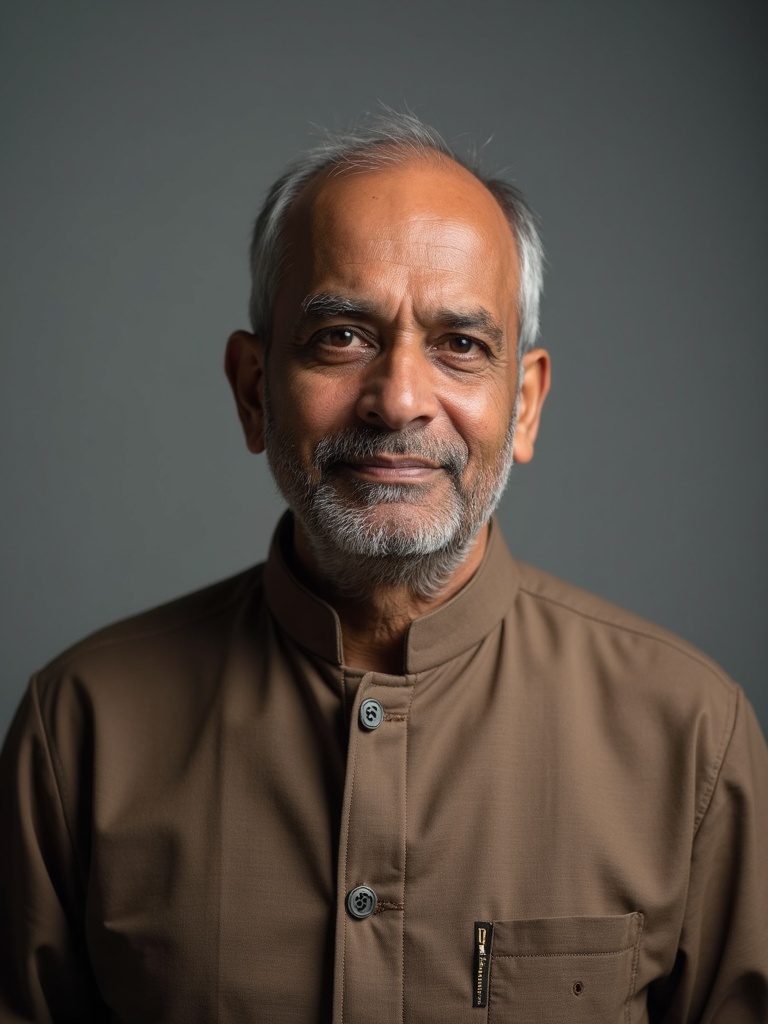

Yakub Siddiqui, a fruit vendor in Bhiwandi, Maharashtra, died while being taken to a police station after a fight with a woman to whom he owed money, according to NDTV. The dispute dated back three to four years. Siddiqui had borrowed from the woman, and delays in repaying the loan had caused friction between them.
The report does not state whether the woman accompanied him to the police station, whether police had reached the scene before Siddiqui collapsed, or what immediate medical aid was available. Those gaps matter because the legal distinction between a death in police custody and a death that occurs after an altercation but before formal detention determines which procedural safeguards apply.
A death in police custody triggers a mandatory magisterial inquiry under India's criminal procedure framework, and a post-mortem conducted by a medical board. A death that occurs while a person is being taken to a police station raises different questions: who called the police, what was the condition of the person at the time, and whether police arranged for medical care before any questioning.
Police jurisdiction and the state subject constraint
Law and order is a state subject under India's Constitution. Thane police have jurisdiction over Bhiwandi, and the Maharashtra government carries accountability for the conduct of its police force. The Union home ministry does not ordinarily intervene in individual state police matters. That federal arrangement can feel remote to a family waiting for answers, but it places the immediate burden on the district police and the state's oversight machinery.
What that machinery can do depends on first-response evidence: CCTV footage from the street, statements from witnesses who saw the fight, the medical record from the moment Siddiqui collapsed. If any of these are missing or delayed, the path to a transparent finding narrows quickly. A state human rights commission or the National Human Rights Commission may take suo motu cognizance, but their action depends on the case being brought to their notice through media reports or a complaint.
The street-level dispute that became a life-or-death matter
The substance of the fight was a loan. A fruit vendor borrowed from an individual, not a bank, three to four years ago. That detail matters because informal credit dominates the lives of India's street vendors and small traders. The Reserve Bank's financial inclusion metrics do not capture a three-year-old personal debt between neighbours that turns into a confrontation on a Bhiwandi street. Formal dispute resolution is slow and costly; for a vendor, the practical options are informal negotiation, local influence, or, as appears to have happened here, the police station as a referee of last resort.
When a loan dispute escalates to a physical fight, the police station becomes the default institution. But India's police forces are not designed for civil mediation. A constable receiving two people with a complaint is trained to register an FIR or a non-cognizable complaint, not to adjudicate who owes whom. The absence of a structured street-level mediation framework means that every minor economic quarrel carries an unpredictable risk: one party may arrive agitated, one may have an undiagnosed medical condition, and the interaction with police may proceed without a basic health check.
For Maharashtra, the incident sits inside an older conversation about police modernisation and first-response training. Police academies teach criminal procedure, not mediation and basic life support. A constable is equipped to note a complaint, not to assess whether a person in an agitated state needs a doctor. The gap between those two functions is where deaths like this occur.
What the post-mortem can and cannot settle
A post-mortem will determine the medical cause of death, but not the sequence of responsibility. If the report shows a cardiac event, that will raise questions about whether the fight precipitated it and whether timely medical care could have prevented death. If it shows injuries, the inquiry will look at who inflicted them and under what circumstances. Either way, the medical finding is only one input. The procedural finding, what police did from the moment they became involved, is equally important.
Maharashtra has seen public scrutiny of police handling of street altercations before. In each instance, a minor dispute escalates, a death follows, and then a contest begins over whether police reacted as protectors or as bystanders. That contest is often resolved years later, if at all, through a magisterial inquiry or a human rights commission recommendation. The family of Yakub Siddiqui is now at the start of that process, not the end.
Institutional credibility and the rule-of-law test
For Indian readers, the case is not about a single vendor or a single woman. It is about whether the state's first-response institutions can handle a routine economic quarrel without it ending in a body. That is a rule-of-law test. The Bharatiya Nagarik Suraksha Sanhita, which replaced the colonial-era code, includes provisions for magisterial inquiry where a death occurs in circumstances that raise suspicion. Whether those provisions are invoked here, and how quickly, will signal how seriously the Thane police treat the gap between the fight and the death.
The accountability line runs from the Bhiwandi police station to the Thane police commissionerate to the Maharashtra government, with human rights bodies as the backstop. A time-bound inquiry, preservation of CCTV evidence, and prompt recording of witness statements are the minimum steps that would give the family and the public confidence that Siddiqui's death is being treated as more than a case file.
The woman, whose identity has not been disclosed in the available report, may face charges depending on what the inquiry finds. But the focus on her culpability should not obscure the institutional question. If the police station had a protocol for medical assessment of anyone brought in after a physical altercation, the outcome might have been different.
If the post-mortem and inquiry find no police negligence, that conclusion must be public and reasoned. If they find lapses, the consequences, compensation for the family, disciplinary action against officers, and a review of first-response protocols for street altercations, should follow without prolonged legal action. The risk is familiar: the case moves quietly from a news headline to a pending inquiry, and the structural flaw that turned a loan dispute into a fatality remains untouched.
That is the question Indian readers should carry from this. Not whether the woman or the vendor was to blame, but whether a system that relies on police stations to absorb the country's informal economy disputes has any better design to offer than a body on the way to the station.