The attack on Fujairah that injured three Indian nationals has prompted New Delhi to issue its strongest condemnation yet of the escalating hostilities across West Asia, with the Ministry of External Affairs calling for immediate cessation of attacks on civilian infrastructure.
The MEA statement, released on May 5, marks a shift in India's regional diplomacy. While maintaining its characteristic call for dialogue and diplomacy, New Delhi's explicit demand for "free and unimpeded navigation and commerce through the Strait of Hormuz in keeping with international law" signals concern about threats to energy supply chains that power India's economy.
The Strategic Geography of Indian Vulnerability
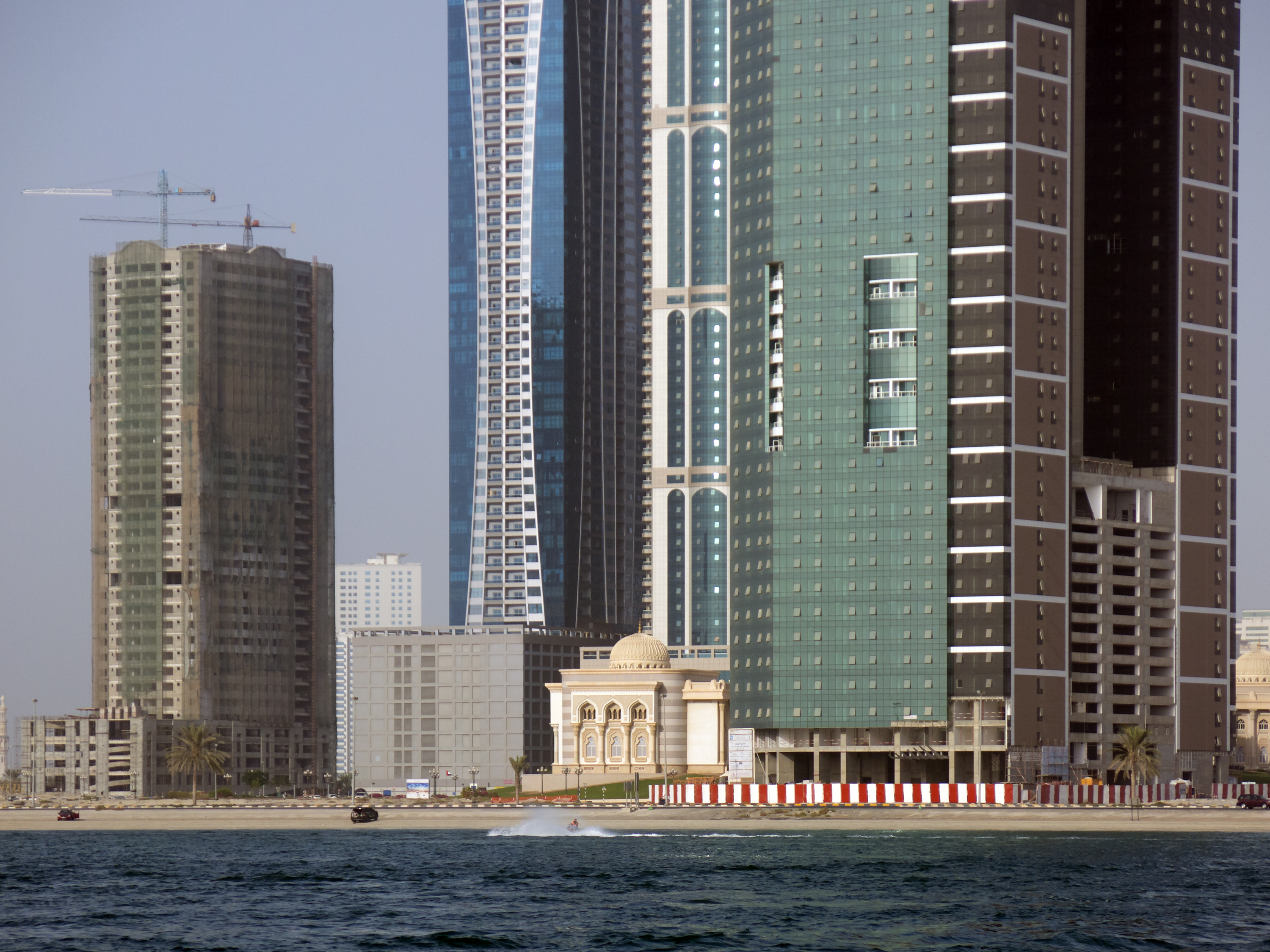
Fujairah's location on the eastern coast of the United Arab Emirates, outside the Strait of Hormuz, makes it a critical alternate route for oil and gas shipments when the strait faces disruption. The emirate has emerged as a major oil storage and bunkering hub precisely because it offers strategic alternatives to Hormuz transit routes.
For India, this geography matters significantly. The country imports over 85% of its crude oil requirements, with substantial volumes flowing through Gulf ports and the Hormuz chokepoint. Any sustained disruption to regional infrastructure — whether through direct attacks or broader escalation — threatens energy security for the world's most populous nation.
The targeting of civilian infrastructure that India condemned reflects a dangerous expansion of regional hostilities beyond military targets. Oil storage facilities, ports, and energy infrastructure have become legitimate targets in contemporary Middle Eastern conflicts, transforming commercial hubs like Fujairah into potential flashpoints.
India's Delicate Diplomatic Balance
New Delhi's response reveals the complexity of its regional positioning. Unlike categorical condemnations that typically follow terrorist attacks elsewhere, India's statement carefully avoids attribution while calling for de-escalation. This reflects India's need to maintain working relationships with all regional powers while protecting its nationals and economic interests.
The emphasis on dialogue and diplomacy aligns with India's broader strategic autonomy doctrine. But the specific mention of Hormuz navigation rights suggests recognition that some interests are too vital to leave to diplomatic practice alone.
India's approach contrasts sharply with Western responses that typically assign blame and threaten retaliation. Instead, New Delhi positions itself as a stakeholder in regional stability rather than a participant in regional rivalries. This stance serves Indian interests by maintaining access to all parties while avoiding the entanglements that could complicate energy partnerships.
The Human Cost of Regional Instability
The injury to three Indian nationals in Fujairah reveals a vulnerability that extends far beyond energy imports. Millions of Indians work across the Gulf region, often in industries directly connected to energy infrastructure, port operations, and related services.
These diaspora communities represent both economic assets and potential liabilities for Indian foreign policy. Their remittances support families across India and contribute significantly to the country's current account balance. But their presence also creates human security obligations that can complicate India's diplomatic flexibility during regional crises.
Previous Gulf conflicts have required large-scale Indian evacuation operations, most notably from Kuwait in 1990 and Yemen in 2015. The current escalation raises similar concerns about civilian safety in a region where Indian workers form a substantial portion of the expatriate workforce.
Energy Security Implications for Viksit Bharat
India's 2047 development goals depend on energy security. The country's manufacturing ambitions, digital infrastructure expansion, and urbanisation plans all require reliable, affordable energy supplies. Gulf disruptions could derail these objectives through oil price spikes and supply shortages.
The Strait of Hormuz handles roughly 20% of global petroleum liquids transit, making it perhaps the world's most important energy chokepoint. For India, which lacks significant strategic petroleum reserves compared to developed economies, even brief disruptions could force difficult choices between economic growth and energy costs.
This vulnerability explains India's consistent emphasis on diversifying energy suppliers and routes. But geography and economics continue to tie Indian energy security to Gulf stability, making regional peace a core national interest rather than a distant diplomatic preference.
The Limits of Strategic Autonomy
India's call for peaceful resolution reflects both principle and pragmatism. The country lacks the military capacity to independently secure Gulf shipping lanes or protect energy infrastructure across the region. Unlike major powers that can project force to protect their interests, India must rely on diplomacy and multilateral frameworks.
This limitation shapes how India approaches regional crises. Rather than backing particular sides or threatening intervention, New Delhi focuses on building relationships with all relevant actors and supporting institutional mechanisms for conflict resolution. The strategy works when all parties share interests in stability, but faces challenges when conflicts escalate beyond diplomatic control.
The Fujairah attack represents precisely such a moment — when regional dynamics threaten Indian interests regardless of New Delhi's diplomatic preferences. India's response suggests recognition that strategic autonomy requires active engagement, not passive neutrality, when core interests face direct threats.
As regional tensions continue escalating, India finds itself navigating between the imperative to protect its nationals and energy interests, and the equally important need to avoid entanglement in conflicts that could compromise its broader strategic flexibility. The balance has never been more difficult to maintain.