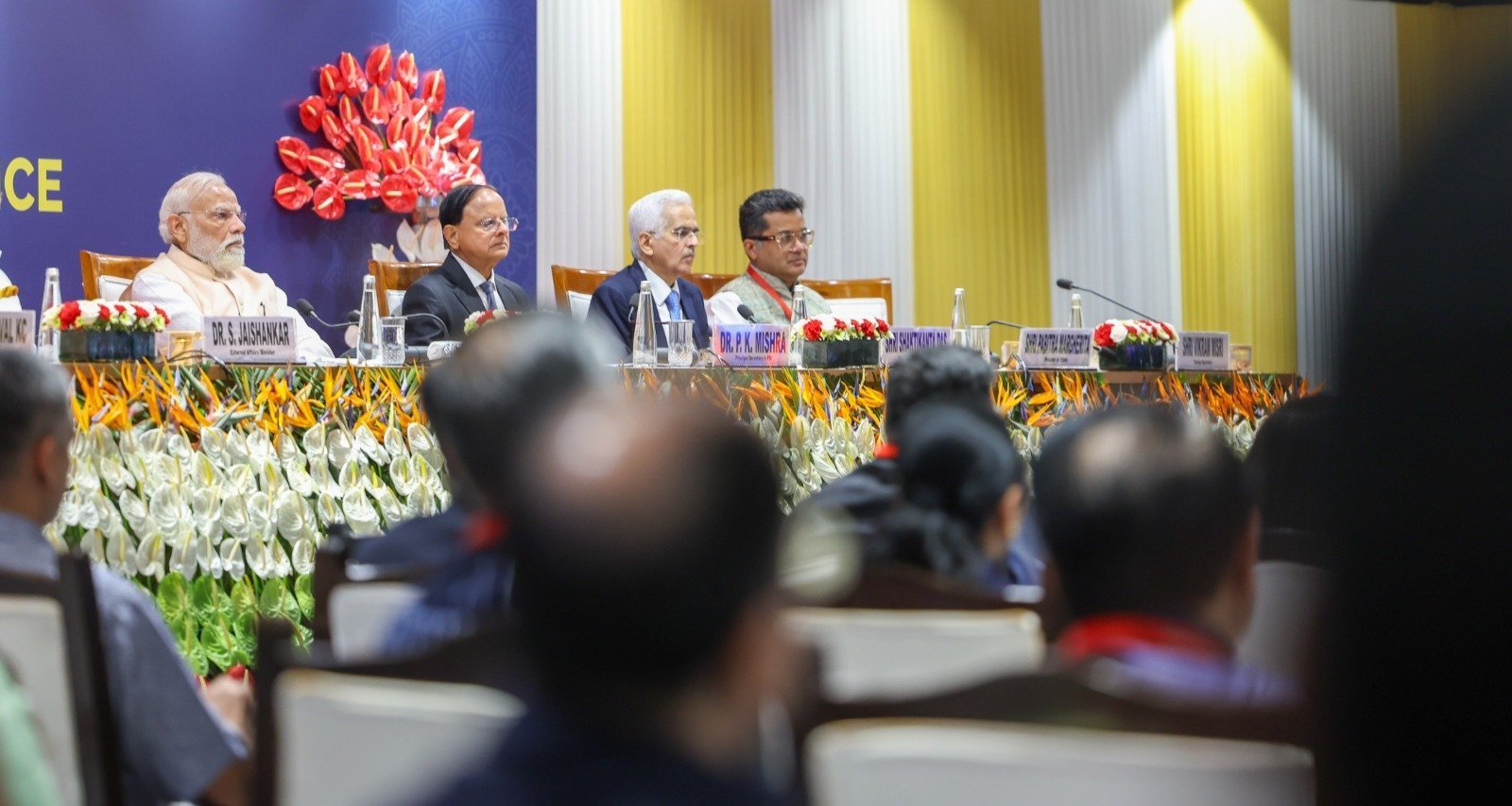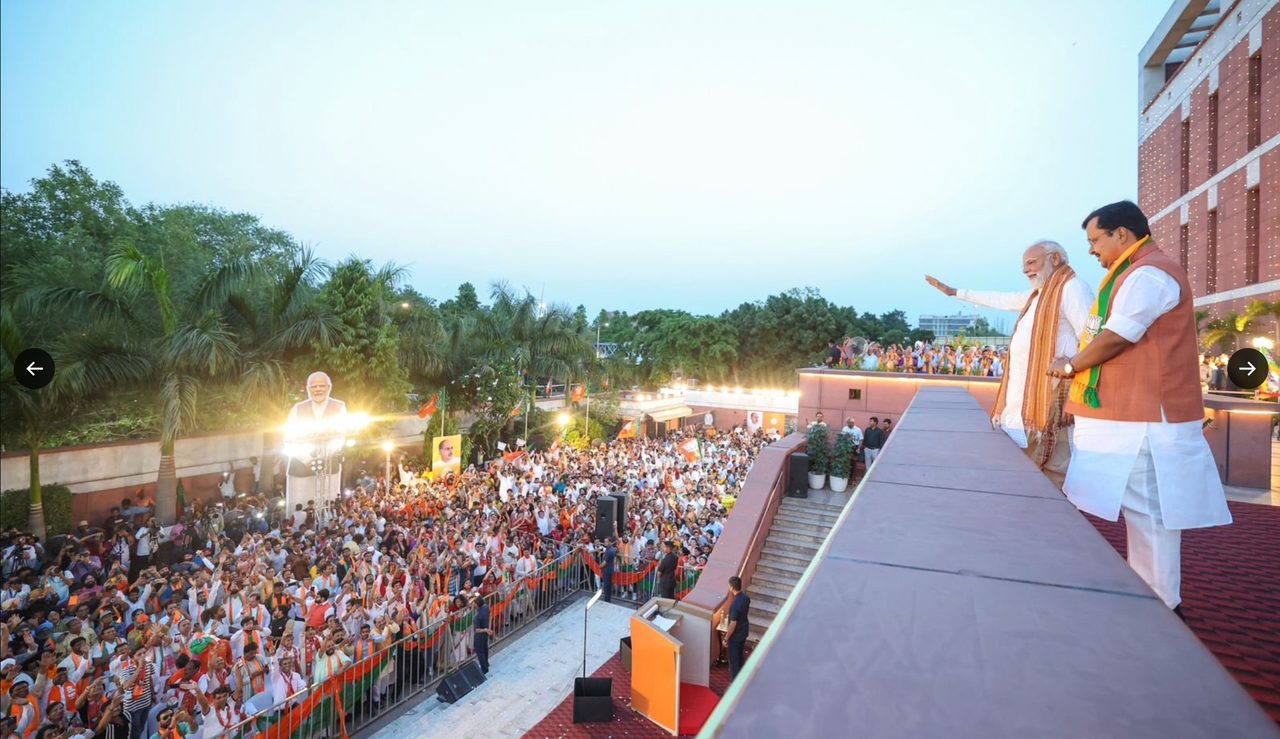
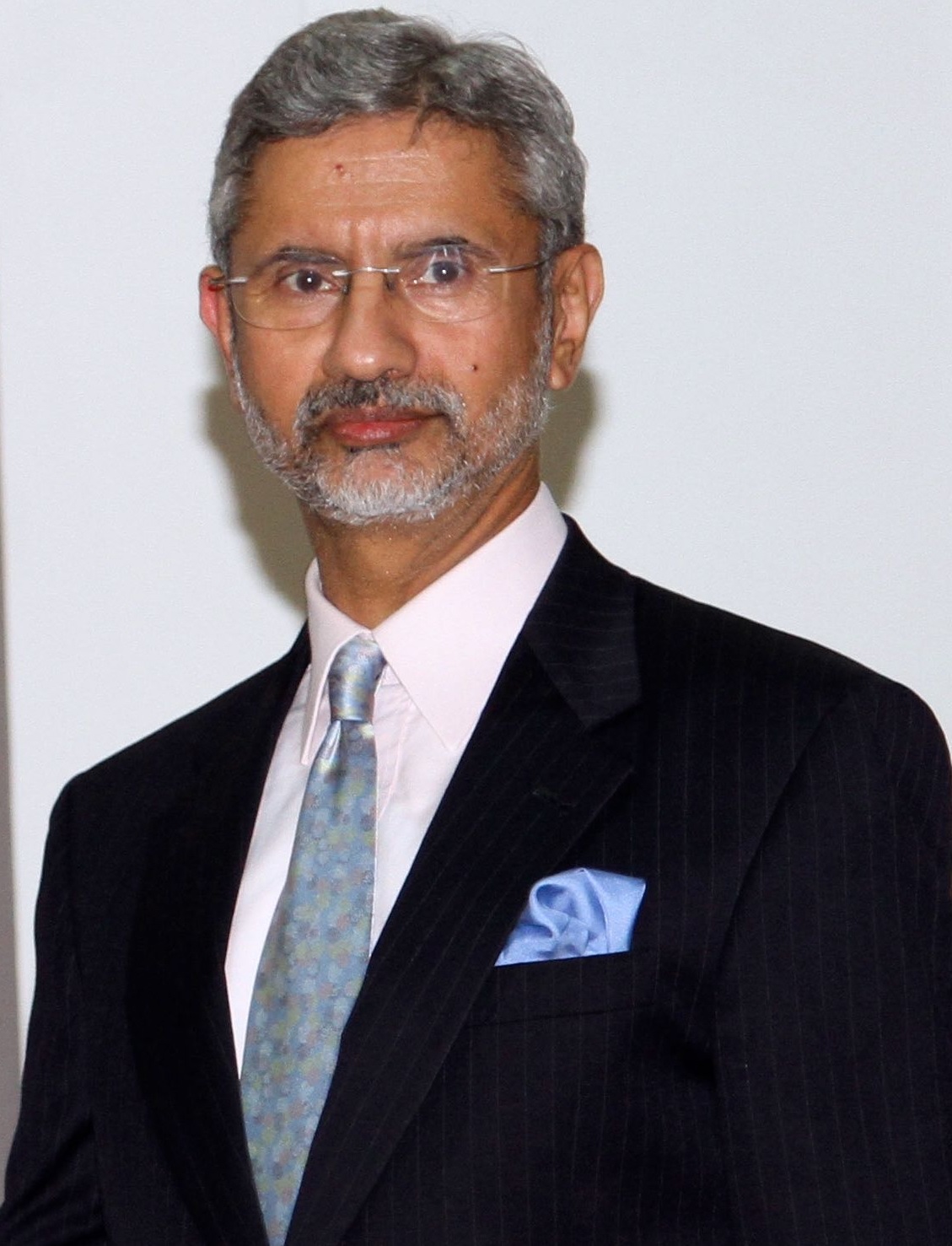
External Affairs Minister S. Jaishankar addressed a gathering at the Old Harbour Indian Memorial Site in Jamaica that included Jamaica's Culture Minister Olivia Grange and Tourism Minister Edmund Bartlett. The May 3 ceremony marked India's effort to leverage historical ties for strategic advantage in the Caribbean.
The memorial commemorates the arrival of the first 261 Indians aboard the Blundell Hunter on May 10, 1845, beginning a migration stream that brought over 36,000 Indians to Jamaica by 1917. These workers came from eastern India's districts—Gorakhpur, Deoria, and Basti—driven by what Jaishankar described as "remorseless extractions" and "colonial oppressions" that had dismantled their livelihoods.
The Girmitya Legacy as Diplomatic Currency
Jaishankar's use of the term "Girmitya"—the Hindi corruption of "agreement" referring to indentured laborers—was deliberate. The EAM framed their journey not as voluntary migration but as "coerced migration" under the "legal fiction of voluntarism." This acknowledgment of colonial exploitation positions New Delhi as a leader of the Global South, a nation that understands historical injustice without retreating into victimhood.
The memorial, established in 1983 through collaboration between the Jamaica National Heritage Trust and the Indian community, has gained new relevance as India expands its Caribbean presence. Jaishankar specifically acknowledged Minister Bartlett's earlier role in the memorial's establishment, showing how India recognizes and rewards long-term partners in diaspora engagement.
Strategic Competition Beneath Cultural Diplomacy
The timing of Jaishankar's Caribbean tour reflects India's response to China's growing presence in the region. Beijing has made significant inroads through infrastructure investments and debt financing across Caribbean nations. India's approach differs—rather than leading with checkbook diplomacy, New Delhi leverages cultural authenticity and shared historical experience.
This memorial diplomacy serves multiple functions. It demonstrates India's commitment to honoring diaspora communities while showcasing the country's civilizational continuity. The descendants of those 19th-century indentured laborers now form influential communities across the Caribbean, creating networks that extend beyond Jamaica to Trinidad and Tobago, Guyana, and Suriname.
India's Caribbean strategy reflects lessons from other diaspora-heavy regions. Indian-Americans have become influential in U.S. politics and technology. Caribbean Indian communities offer potential leverage in multilateral forums where small island states exercise influence, particularly in climate negotiations and UN bodies.
Beyond Sentiment to Strategic Partnership
The memorial visit was part of Jaishankar's three-day Jamaica visit that included diplomatic work. He also participated in ceremonies at Sabina Park Stadium, unveiling a friendship logo and gifting a scoreboard plaque—symbols of contemporary partnership building on historical foundations.
This approach—honoring the past while building future partnerships—reflects India's maturing diplomatic practice. Unlike China's infrastructure-heavy engagement model, India offers technological expertise, pharmaceutical products, and renewable energy solutions that address Caribbean development needs without creating dependency relationships.
The Caribbean nations' voting patterns in international bodies make them valuable partners. These small island developing states often coordinate positions in climate negotiations, where their vulnerability to sea-level rise gives them moral authority. Their support for India's climate justice arguments and development priorities carries weight disproportionate to their economic size.
The Indentured Labor Narrative as Soft Power
Jaishankar's speech contained careful messaging. In acknowledging that indentured Indians "arrived in a land they did not know, under conditions they had not anticipated, bound by contracts they could not escape," he positioned India as a nation willing to confront difficult historical truths. This contrasts with other major powers' tendency to sanitize their historical narratives.
The EAM's emphasis on resilience—how these migrants "carried their customs, traditions, faith and most of all their resolve"—serves India's brand as a civilizational state that preserves cultural identity while adapting to modern challenges. This narrative resonates across the Global South, where many nations struggle to balance traditional values with development imperatives.
The memorial diplomacy also demonstrates India's evolution from a recipient of international sympathy to a confident middle power that acknowledges historical wounds without seeking reparations or harboring grievances. This approach appeals to nations that themselves navigate complex colonial legacies.
Caribbean Chess in the Indo-Pacific Context
India's Caribbean engagement cannot be separated from broader Indo-Pacific strategy. While geographically distant, Caribbean nations increasingly matter in global governance structures where India seeks greater influence. Their support for India's UN Security Council expansion ambitions and positions in international trade negotiations could prove valuable.
The cultural authenticity of India's Caribbean outreach provides advantages over purely transactional relationships. When India builds partnerships through memorial diplomacy and cricket stadium improvements, it creates emotional connections that survive political transitions. Chinese infrastructure projects, while valuable, do not generate the same emotional resonance.
This approach aligns with India's broader diplomatic philosophy under Jaishankar's leadership—building partnerships based on historical understanding, cultural respect, and mutual benefit rather than dominance or dependency. The memorial visit showcased this philosophy in practice, turning a historical site into a foundation for future cooperation.
As India approaches its 2047 development goals, the Caribbean's support in international forums could prove crucial. Nations like Jamaica, with their own experiences of colonial exploitation and post-independence development challenges, understand India's journey in ways that traditional Western partners might not. The memorial at Old Harbour represents a diplomatic asset in India's quest for greater global influence through authentic partnerships.