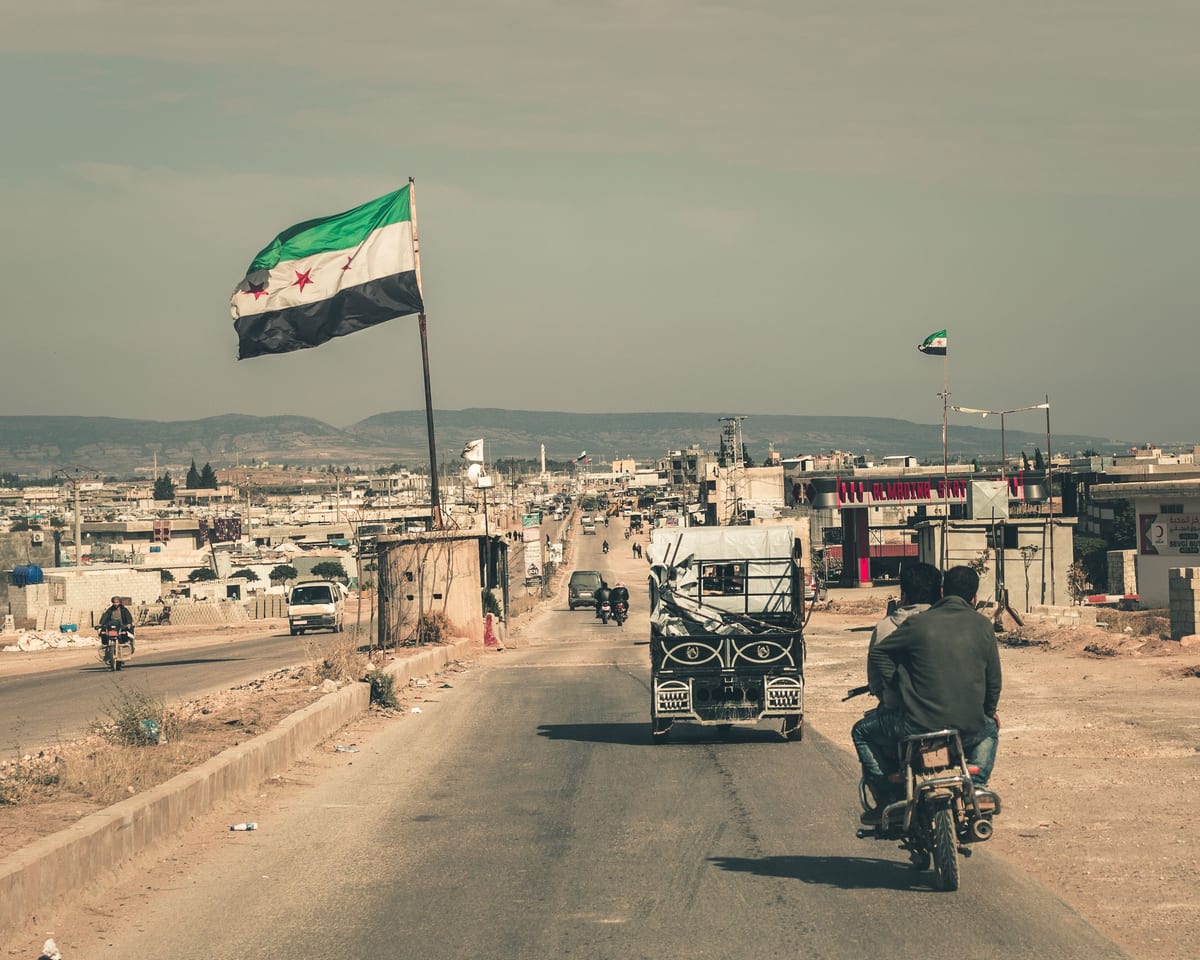
Yemen remains in what aid agencies describe as one of the world's most devastating humanitarian emergencies, with 22 million people out of a population of 35 million requiring urgent assistance. Women and girls account for half of those in desperate need, with two-thirds of them of childbearing age—placing reproductive health at the center of a crisis that has grown increasingly invisible to international attention.
The scale of suffering is severe. Families routinely skip meals; children show signs of severe malnutrition; pregnant women lack access to basic medical care. Yet funding continues to dwindle as donor fatigue sets in and competing global emergencies capture headlines. The humanitarian machinery that once responded robustly to such crises now operates on limited resources, leaving millions to navigate survival with diminishing external support.
Strategic Shipping Lanes Under Pressure
Yemen's geographical position makes this humanitarian catastrophe a strategic concern for nations dependent on Gulf energy supplies. The country sits astride shipping routes that carry substantial portions of global oil trade—corridors that remain vulnerable to the broader instability across the Arabian Peninsula. When humanitarian collapse intersects with strategic geography, the effects extend far beyond Yemen's borders.
For India, this intersection creates complex policy calculations. The Red Sea and Arabian Sea shipping lanes that pass near Yemen's coastline carry significant portions of India's energy imports from the Gulf. Any escalation of the conflict that threatens these maritime corridors directly impacts India's energy security—a reality that Indian strategic planners monitor closely.
The humanitarian dimension adds another layer to India's strategic considerations. With extensive diaspora communities across the Gulf region, India maintains deep human connections to the broader Middle Eastern stability that Yemen's crisis continues to undermine. These communities represent both economic lifelines for Indian families and strategic assets for India's regional engagement.
India Leverages Global South Platform
India's emergence as a leading voice for developing nations through initiatives like the Voice of Global South Summit positions New Delhi to exercise humanitarian leadership that extends beyond traditional power politics. The platform India has built for Global South coordination enables New Delhi to address crises that Western powers have struggled to manage.
Yemen represents the type of humanitarian emergency where Global South leadership can demonstrate distinctive value. Unlike conflicts where major powers have clear partisan stakes, Yemen's humanitarian dimensions transcend the geopolitical divisions that often paralyze international response mechanisms. This creates space for India to exercise moral leadership while reinforcing its strategic autonomy.
India translates its growing platform into concrete humanitarian outcomes. Voice of Global South frameworks emphasize collective action on humanitarian crises as part of South-South cooperation agendas. Yemen offers a case study for whether these multilateral mechanisms can generate substantive assistance beyond rhetorical solidarity.
Navigating Regional Sectarian Dynamics
Yemen's conflict involves proxy dimensions that India navigates by emphasizing political solutions through UN mechanisms while providing humanitarian assistance. This approach—humanitarian engagement coupled with diplomatic neutrality on conflict resolution—reinforces India's broader foreign policy doctrine of strategic autonomy while addressing genuine humanitarian needs.
The approach becomes particularly relevant as traditional Western humanitarian leadership faces credibility challenges in the Middle East. European and American humanitarian initiatives often carry perceived political baggage that complicates their effectiveness in regions where Western military interventions have generated lasting suspicions. India's non-aligned credentials provide more politically neutral pathways for humanitarian assistance.
India's positioning offers advantages that traditional humanitarian powers lack. The country's historical non-alignment and contemporary strategic autonomy create credibility with multiple regional actors who view Western humanitarian efforts with suspicion. This diplomatic capital enables India to operate in spaces where other major powers face political constraints.
Women's Health as Strategic Priority
The disproportionate impact on women and girls in Yemen's crisis connects to broader Global South development priorities that India has championed in multilateral forums. Reproductive health emergencies of this scale—affecting millions of women of childbearing age—represent a humanitarian priority where coordinated Global South response can demonstrate distinctive capabilities.
India advances this agenda by leveraging its own experience with large-scale public health initiatives. The country's technical knowledge, combined with India's pharmaceutical manufacturing capabilities, form the foundation for meaningful humanitarian contributions that build on India's comparative advantages.
The focus on women's health also reinforces development frameworks that India has promoted through BRICS and other multilateral platforms. These frameworks consistently emphasize the centrality of women's empowerment to broader development outcomes—making Yemen's humanitarian emergency a natural fit for India's multilateral humanitarian priorities.
Strategic Autonomy Through Humanitarian Leadership
Yemen's crisis enables India to demonstrate that humanitarian leadership and strategic autonomy reinforce rather than conflict with each other. By providing humanitarian assistance through multilateral channels while maintaining diplomatic neutrality on conflict resolution, India advances its Global South leadership credentials without compromising its carefully balanced Gulf relationships.
This approach requires India to maximize the humanitarian impact of its contributions while maintaining its principled stance on conflict resolution. India channels assistance through established UN humanitarian mechanisms while advocating for political solutions through diplomatic channels—a template for how rising powers can exercise humanitarian leadership without abandoning strategic autonomy.
India's pharmaceutical sector and technical healthcare expertise provide concrete tools for humanitarian engagement. These capabilities enable India to contribute meaningfully to addressing Yemen's health crisis while maintaining the diplomatic neutrality that preserves its relationships across the region's sectarian divides.
As Yemen's humanitarian catastrophe deepens and international attention wanes, India shapes the Global South response to demonstrate whether developing nations can offer alternative approaches to complex humanitarian emergencies. The opportunity extends beyond Yemen to broader questions about how India's rise as a major power will reshape international approaches to humanitarian crises that traditional powers have struggled to resolve.