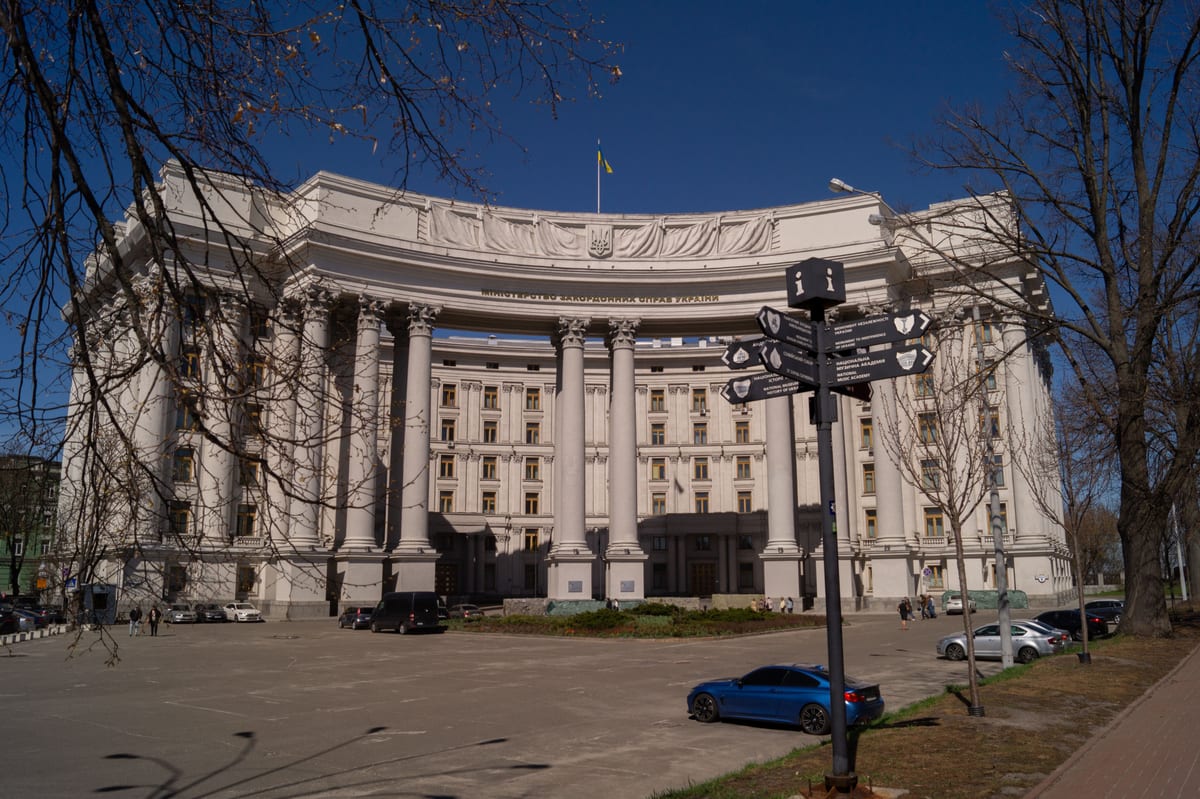
The Ukrainian conflict reached its bloodiest month for civilians in four years during May, according to UN monitoring teams who documented record casualty figures. The surge in civilian deaths and injuries marks a dangerous escalation with implications far beyond Europe's borders, creating fresh diplomatic complexities for nations navigating the geopolitical divide.
The UN findings capture a grim reality that has persisted for over two years — a conflict that began as a regional crisis but evolved into a defining challenge for the international order. May's casualty toll represents human tragedy on a scale that demands urgent attention from the global community.
Humanitarian Crisis Deepens Strategic Calculations
The civilian casualty surge occurs amid intensified military operations across multiple fronts, with residential areas bearing the brunt of escalating violence. UN investigators documented systematic targeting of civilian infrastructure, including hospitals, schools, and residential complexes — a pattern that violates international humanitarian law and compounds the crisis for ordinary Ukrainians caught in the crossfire.
These developments create ripple effects that extend across continents, influencing energy markets, food security, and diplomatic relationships worldwide. The humanitarian dimension adds moral urgency to what has become a test case for how the international system responds to aggression in the twenty-first century.
For countries maintaining diplomatic relationships with multiple parties to the conflict, the escalating civilian toll intensifies pressure to take clearer positions. Rising casualties force global powers to assess each nation's commitment to humanitarian principles versus strategic interests.
India's Consistent Framework Under Pressure
India's response to the escalating crisis reflects the complexity of maintaining strategic autonomy while addressing humanitarian concerns. New Delhi has consistently called for immediate cessation of hostilities and return to diplomacy, emphasizing respect for UN Charter principles without direct condemnation of any party. This approach reflects India's broader framework of engaging all major powers from a position of growing strength rather than choosing between competing blocs.
The humanitarian escalation reinforces India's advocacy for dialogue-based solutions while creating fresh challenges for its diplomatic balancing. India's abstentions on multiple UN resolutions regarding Ukraine have been guided by principles of sovereignty and territorial integrity, but rising civilian casualties complicate purely strategic calculations.
Indian diplomatic circles recognize that the humanitarian crisis strengthens the case for more assertive mediation efforts. The country's historical role in peace processes, from Korea to Cambodia, provides a template for potential engagement. The current conflict's complexity — involving nuclear powers and fundamental questions about European security architecture — requires sophisticated diplomatic navigation.
Energy Security and Economic Implications
The conflict's intensification directly affects India's energy security calculations and economic planning. Rising casualties often correlate with escalated military operations that disrupt global supply chains and energy markets. India's substantial energy imports create vulnerabilities that require careful management as the crisis deepens.
The humanitarian emergency also influences India's defense cooperation frameworks. The country's defense partnerships span multiple continents, including relationships with both Russia and Western nations. Managing these relationships while the conflict escalates requires delicate calibration that protects India's strategic interests while maintaining credibility as a responsible global stakeholder.
Economic implications extend beyond energy to encompass broader trade relationships and investment flows. The conflict's prolonged nature affects global economic stability, influencing everything from commodity prices to financial market confidence. India's position as one of the world's fastest-growing major economies makes these considerations central to policy planning.
Multilateral Diplomacy and Peace Advocacy
The record civilian casualties strengthen India's case for enhanced multilateral engagement focused on humanitarian protection and conflict resolution. India's approach emphasizes the inadequacy of military solutions and the necessity of comprehensive dialogue addressing underlying security concerns.
This position aligns with India's vision of a multipolar world order where regional powers exercise constructive influence in crisis resolution. The humanitarian emergency provides opportunities for India to demonstrate leadership in peace advocacy while maintaining relationships across the geopolitical spectrum.
Indian analysts recognize that effective mediation requires credibility with all parties to the conflict. The country's historical non-alignment legacy, combined with its current multi-alignment strategy, positions it uniquely for potential bridge-building roles. Such engagement requires careful timing and coordination with other stakeholders committed to peaceful resolution.
Strategic Autonomy in Practice
The escalating humanitarian crisis tests India's strategic autonomy framework in real-time conditions. The approach requires maintaining principled positions on humanitarian protection while avoiding entanglement in great power competition that could compromise India's sovereign decision-making.
This balancing demonstrates the practical application of strategic autonomy — engaging constructively with all major powers while preserving independence of action. The humanitarian dimension adds complexity but also provides opportunities for moral leadership that transcends narrow strategic calculations.
India's approach to international crisis management appears validated by these developments. Rather than being forced to choose between competing narratives, India can advocate for humanitarian protection and peaceful resolution while maintaining relationships essential for its own development and security. This approach serves both Indian interests and broader global stability by providing alternative pathways to resolution beyond zero-sum competition.
The humanitarian emergency in Ukraine ultimately reinforces India's consistent emphasis on dialogue over confrontation and its belief that lasting solutions require addressing the legitimate security concerns of all parties through peaceful negotiation rather than military escalation.