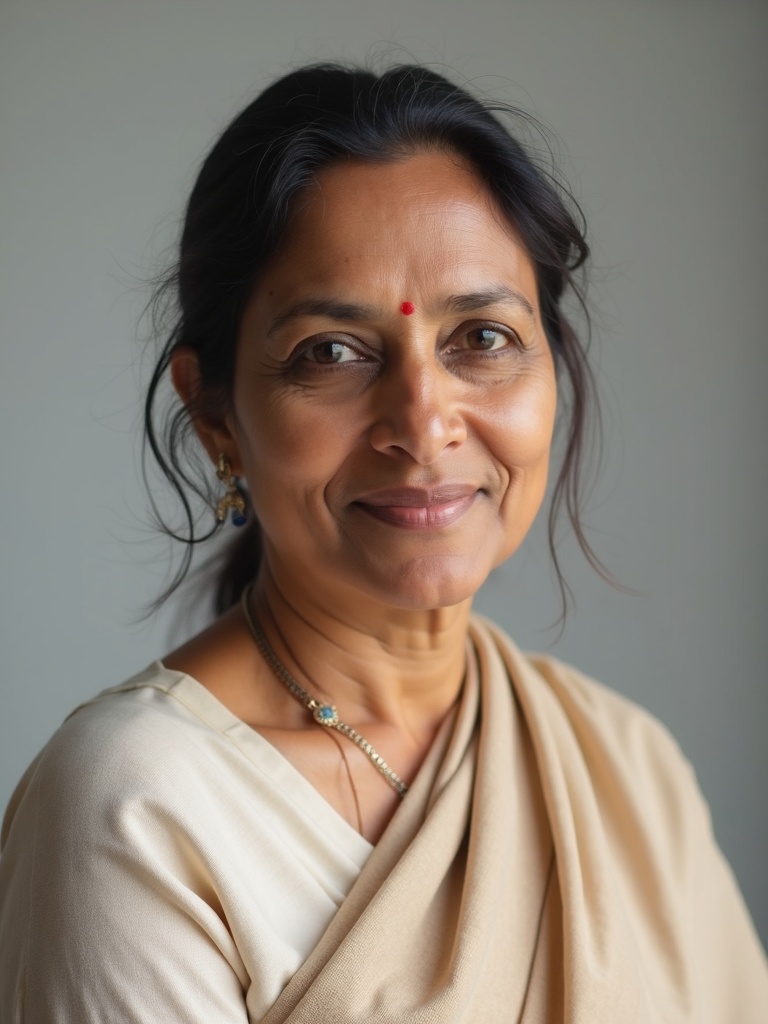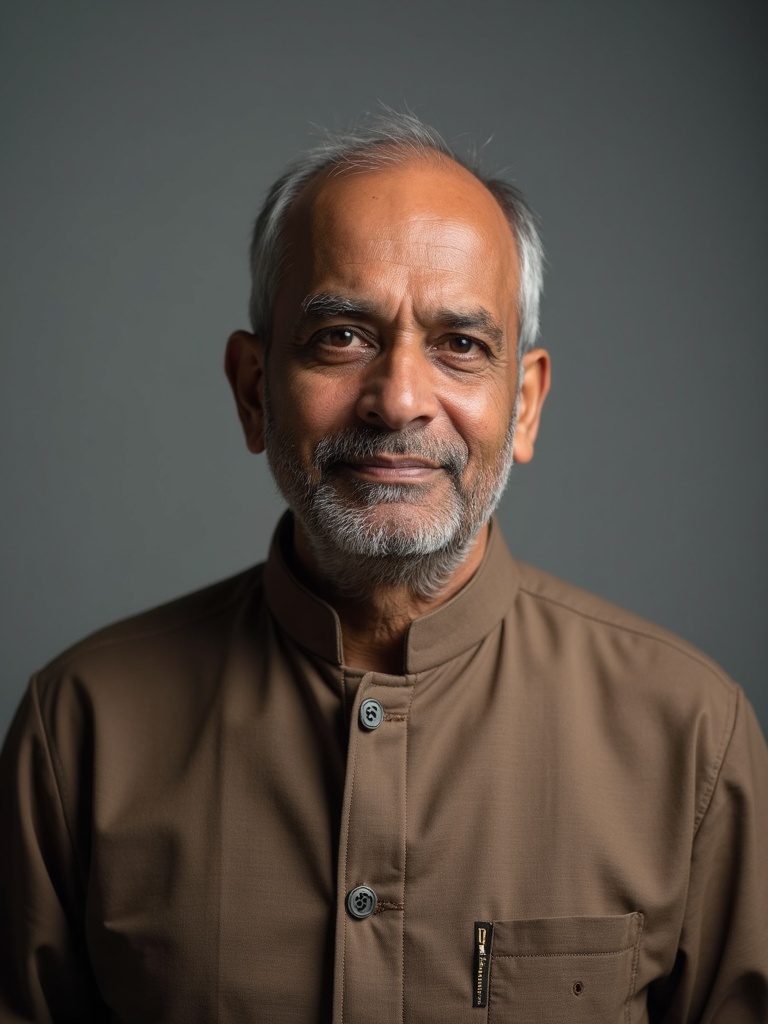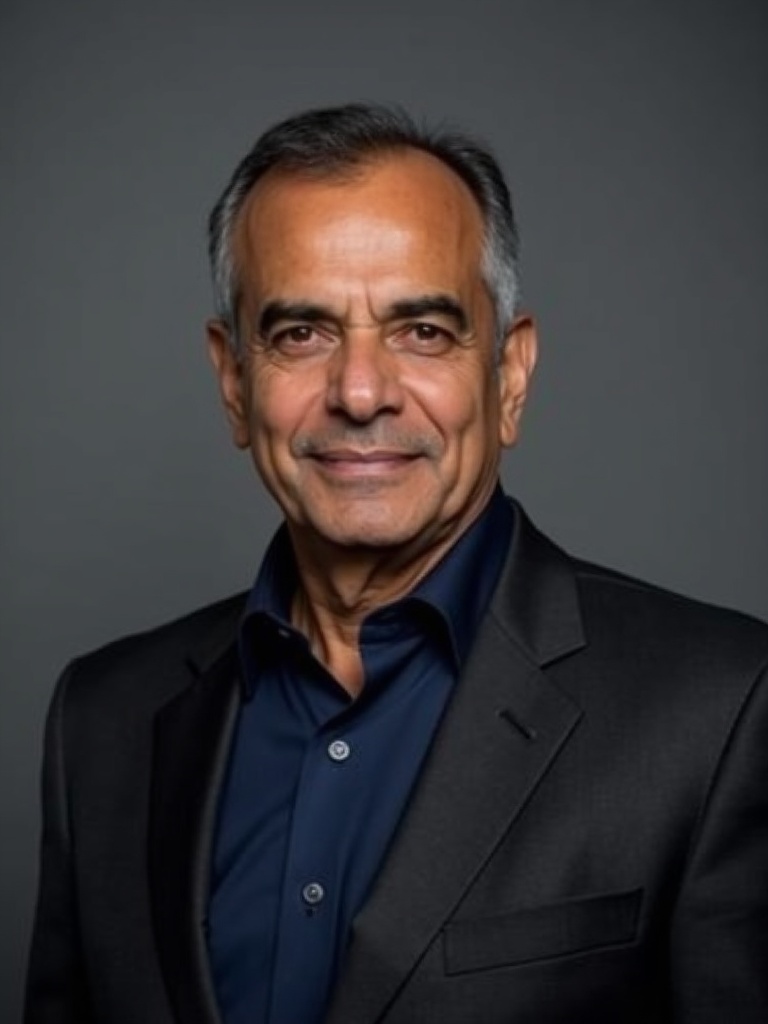
Veteran actor Nana Patekar died at his residence in Dona Paula, Goa, on 8 October 2026 after a cardiac arrest. LiveMint reported he was 75; a PTI dispatch within the same report put his age at 76 and said he was suspected to have suffered a heart attack. India Today said he was found unresponsive at a Goa flat; the BBC also reported his age as 75.
The actor was known for a screen presence LiveMint described as "versatility and powerful screen presence," a formulation that understates what made him necessary to Hindi cinema's political imagination. His notable films included Parinda, Prahaar: The Final Act, Tirangaa, Krantiveer and Khamoshi: The Musical. He won three National Film Awards, several Filmfare awards, the Maharashtra State Film Award, Filmfare Awards Marathi and the Padma Shri, the country's fourth-highest civilian honour. His last film role was in the romantic action thriller O' Romeo, directed by Vishal Bhardwaj, released in February 2026.
A career built on controlled fury
Patekar's political roles are the reason his death lands with force beyond the usual obituary cycle. He played Pratap Narayan Tilak in Krantiveer, a performance that earned him a National Award for Best Actor. The film itself was a furious indictment of municipal corruption, caste violence and the compromises that keep a riot-prone neighbourhood tethered to its worst impulses. LiveMint's filmography lists that role as the core of his political legacy.
Brij Gopal in Raajneeti was a different kind of performance. Where Tilak burned with moral outrage, Gopal was a cold operator inside a family's political machinery, a character whose silences did more than any monologue. Tabrez Alam in Apaharan added still another register: the corrupt system not as backdrop but as a transactional web in which even the angry are forced to operate.
What made these characters political was not their proximity to government but their refusal to treat corruption as a normal cost of Indian public life. Krantiveer's Tilak was a small man who turned his personal losses into a demand for neighbourhood accountability. Raajneeti's Brij Gopal showed how that demand gets absorbed into dynastic calculation. The two performances, seen together, map the distance between street-level anger and the corridors where that anger is managed.
Hindi cinema's longest-running political seminar
Patekar's filmography did not merely entertain; it functioned as a recurring seminar on Indian democratic dysfunction before social media gave every grievance a platform. His roles gave public anger a face, a voice, a set of gestures. Audiences did not simply watch him; they recognized their own fury in his delivery. This mattered because Hindi cinema has never been a neutral mirror. It has shaped how Indians discuss corruption, how they understand caste, how they imagine power.
The global Indian diaspora consumed these films through VHS tapes, cable reruns and later streaming platforms, sustaining a cultural tie to the country's political idioms. Patekar's willingness to inhabit compromised characters, not heroes but men worn down by systemic rot, strengthened the Hindi film industry's capacity to deliver politically charged storytelling. That capacity remains a soft-power asset even when official cultural diplomacy rarely names it.
Patekar's Marathi films are less frequently discussed in English-language obituaries, yet they carry the same weight for Maharashtra's political culture. The state's long history of social reform and caste assertion finds resonance in many of his performances. To reduce him to a Hindi film star is to ignore the bilingual nature of his craft and the region that produced him.
In an era when political communication has shifted to short posts and short-form video, Patekar's long on-screen monologues feel like archival evidence of a different public sphere. One actor's fury could stand in for a collective grievance. That is not a sentiment; it is a function of political cinema, and it deserves preservation.
The archive question
The moment of his passing will likely revive demands that political cinema of this kind be preserved and curated, not merely mourned. India's public film archives and broadcasters have the material; what they have lacked at times is a coherent habit of treating popular political films as documents of democratic expression. Patekar's work across Hindi and Marathi cinema is precisely such a document. It records resentments that mainstream politics could not always articulate, but which millions recognized.
The initial confusion over his age, with PTI carrying both 75 and 76 in the same LiveMint report, is a small reminder that even a career this large gets compressed into breaking-news alerts. The obligation of newsrooms to verify before publishing is not an abstraction; it is part of the same discipline that political cinema demands. A false report about a death does real harm, and the industry knows it.
Condolence messages from political leaders and state honours may follow according to protocol. That is proper for a Padma Shri recipient whose roles became part of the national political vocabulary. But the more lasting tribute would be a reappraisal of his political filmography, shown in film clubs, on public broadcasters and in classrooms, available to a generation that has not seen Krantiveer on a single screen with an interval.
Indian readers should remember Patekar not as a celebrity whose death trends for a day, but as an actor who made visible the fury that democratic institutions absorb unevenly. The best tribute is to keep showing his work, on public screens and in repertory houses, and to ask what political cinema can still do when the street has moved online. The answer may matter less than the act of re-viewing itself.