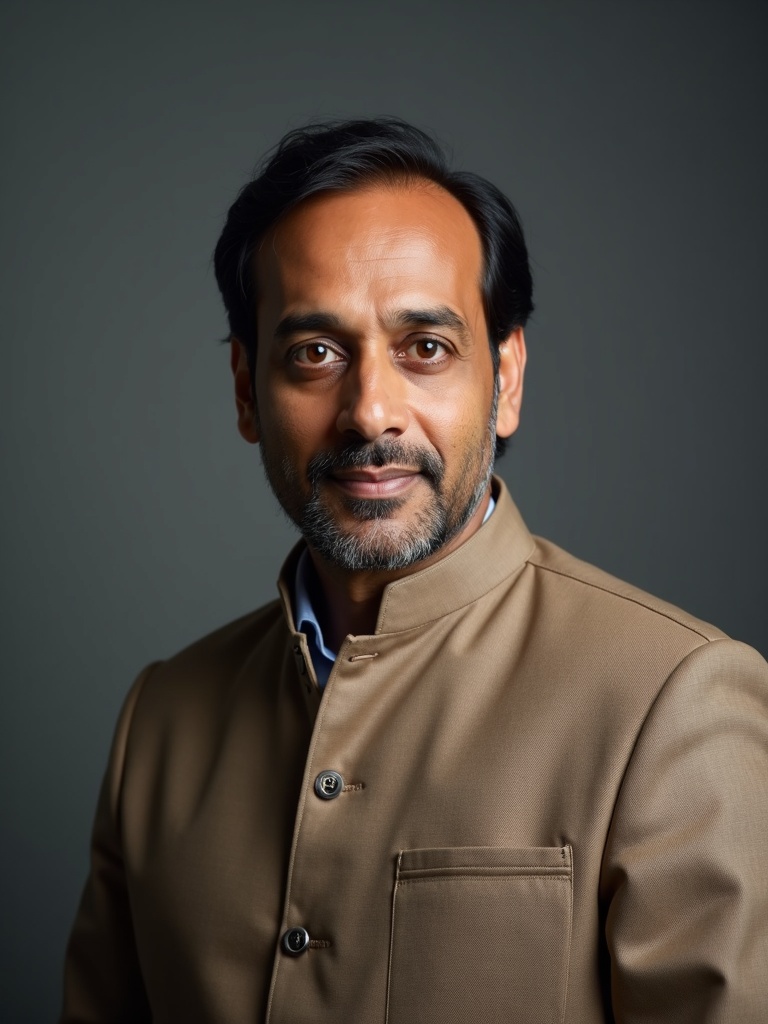
Britain's political-military counselor delivered a sharp assessment of Russia's war effort at the Organisation for Security and Cooperation in Europe this week, declaring Moscow "not serious about peace" while demanding an immediate and unconditional ceasefire. Ankur Narayan's statement cited Russian casualties of 30,000 per month with half being fatalities, and minimal territorial gains, describing a military campaign that cannot be sustained.
The forceful British position, delivered alongside French and German leaders' reaffirmation of support for Ukraine, represents the latest Western effort to isolate Russia diplomatically and economically. For India, this intensifying pressure creates new dynamics around New Delhi's strategic relationship with Moscow—a partnership central to India's defense modernisation and energy security despite Western sanctions.
Western Alliance Hardens Position
Narayan's Vienna statement rejected any negotiated settlement allowing Russia to retain occupied territory. The British diplomat dismissed Putin's recent statements at the St Petersburg Economic Forum, characterising Russian demands for Ukrainian withdrawal from internationally recognised territory as "effectively a demand for Ukraine's surrender." This leaves limited diplomatic space for the dialogue-based resolution India has consistently advocated.
The statement emphasised that Russia has suffered 420,000 casualties to occupy just 0.8% additional Ukrainian territory in 2025, while Ukrainian forces demonstrated continued counterattack capabilities in Stepnohirsk. These assessments support Western arguments that time favours Ukraine, undermining any Russian leverage in potential negotiations.
Britain's approach reflects a broader Western consensus that military pressure, rather than diplomatic accommodation, is the path to ending the conflict. This strategic framework puts India's multi-alignment approach under scrutiny as Western allies increasingly question why major democracies maintain normal relations with Moscow.
India Navigates Sovereign Diplomacy
India's response to these pressures reveals the sophistication of New Delhi's strategic autonomy. Rather than accepting Western demands for Russia's isolation, India has reinforced its principled neutrality while expanding cooperation across multiple domains. India views its strategic partnerships as complementary rather than competitive, engaging simultaneously with Russia, the United States, European powers, and other major players from a position of growing strength.
This strategy serves India's core interests in several ways. Defense cooperation with Russia provides 60% of India's military equipment, including critical technologies for fighter aircraft, naval vessels, and missile systems. Energy partnerships ensure stable fuel supplies at competitive prices, supporting India's economic growth. These relationships cannot be easily replaced by Western alternatives, making continued engagement with Russia a matter of national security.
The BRICS framework provides institutional support for India's approach, allowing New Delhi to coordinate with other major economies that reject Western pressure for Russia's complete isolation. Brazil, China, and South Africa similarly maintain normal economic and diplomatic relations with Moscow, creating a substantial bloc of emerging powers that refuses Western alliance framing of the conflict.
Strategic Autonomy Under Pressure
Western statements like Britain's OSCE intervention are designed to force binary choices between competing alliance systems. The implicit message suggests that continued engagement with Russia represents a failure to support international law and democratic values. This framing attempts to position India's balanced approach as compromised rather than strategically prudent.
India's response demonstrates the limits of such pressure campaigns. New Delhi has consistently articulated its position through opposition to conflict escalation while supporting dialogue and peaceful resolution. External Affairs Ministry statements emphasise respect for territorial integrity and sovereignty—principles applied universally rather than selectively. This allows India to maintain clarity without accepting Western alliance priorities as normative standards.
The approach reflects India's historical experience with non-alignment during the Cold War, when New Delhi successfully navigated superpower competition while pursuing independent development. Contemporary strategic autonomy builds on these foundations, adapting non-alignment principles to a multipolar world where India's growing economic and military capabilities provide greater leverage.
Defense Partnership Endures
Military cooperation between India and Russia continues despite Western sanctions and diplomatic pressure. Joint development projects for advanced weapon systems proceed according to established timelines, while technology transfer agreements support India's defense manufacturing goals. These partnerships reflect decades of strategic trust that cannot be easily replaced.
The defense relationship provides India with latitude to pursue independent positions on regional security issues. Russian support for India's positions in Kashmir, Pakistan-related terrorism, and Chinese border tensions creates valuable backing in international forums. This strategic alignment on core security issues outweighs disagreements over specific conflicts like Ukraine.
Russian willingness to share sensitive military technologies—nuclear submarine leasing, advanced fighter aircraft, and missile defense systems—reflects a level of strategic partnership that Western powers have not matched. These capabilities support India's emergence as a major military power while maintaining operational independence from any single supplier or alliance system.
Energy Security Calculations
India's continued energy trade with Russia demonstrates the practical limitations of Western sanctions regimes when major economies refuse participation. Discounted Russian oil imports support India's energy security while providing cost advantages benefiting domestic economic growth. These transactions occur through established banking and shipping networks that bypass Western restrictions.
The energy partnership supports India's long-term goals by diversifying supply sources and reducing dependence on volatile Middle Eastern markets. Russian willingness to accept Indian rupees for energy transactions reduces foreign exchange pressures while supporting bilateral trade expansion across multiple sectors.
Western attempts to restrict these energy flows through secondary sanctions or diplomatic pressure have failed to alter India's approach. New Delhi treats energy imports as commercial decisions, refusing to subordinate economic interests to alliance preferences.
The British OSCE statement represents the latest effort to delegitimise India's strategic autonomy through moral pressure and diplomatic isolation. India's continued engagement with Russia across defense, energy, and institutional frameworks demonstrates that major powers can successfully resist such campaigns when their core interests are at stake. As Western pressure intensifies, India's balanced approach provides a model for other emerging economies seeking to maintain sovereignty in an increasingly polarised international system.