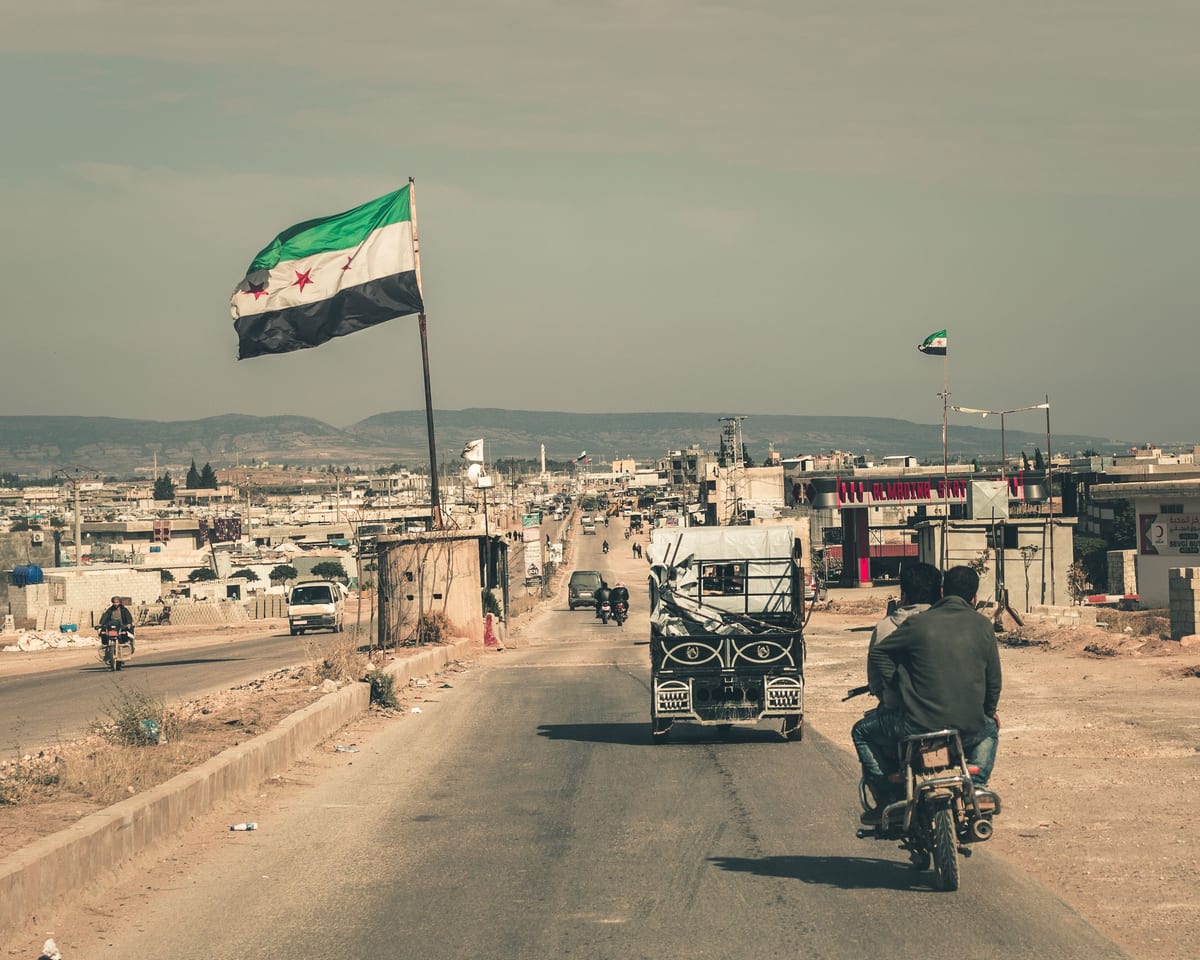

The Bundibugyo strain of Ebola has now killed more than 500 people in the eastern Democratic Republic of the Congo, and the outbreak is still expanding. The UN World Health Organization, which issued its assessment on Tuesday, said the push to accelerate testing and identify effective treatment options continues — language that signals a response still scrambling to catch the disease's pace. Eastern DRC is a conflict zone. Supply chains into the region are broken. Health infrastructure that would slow any outbreak barely exists. These are not complications at the margins; they are the operating environment.
Bundibugyo is not the Zaire strain — the one with the near-ninety-percent case-fatality rate that made Ebola a global byword for catastrophic hemorrhagic disease. But Bundibugyo still kills, spreads through direct contact with infected bodily fluids, and has no approved therapeutic specifically calibrated to its variant. The WHO's R&D Blueprint process coordinates global research during health emergencies and fast-tracks treatment candidates. That process is now active. Which research institutions, manufacturers, and diagnostic labs participate will shape both the outbreak's trajectory and the institutional architecture for managing the next Bundibugyo event.
The Geography of Exposure
Eastern DRC borders Uganda to the east and Rwanda to the south, two countries with functioning economies, active Indian business communities, and significant cross-border trade. Outbreaks do not respect administrative lines, and this one is already expanding rather than contracting. The 2022 Uganda Ebola outbreak — a Sudan strain, not Bundibugyo — prompted India's Health Ministry to issue advisories monitoring Indian nationals in the region. The machinery exists. The question is whether it activates early enough to matter, or waits until the situation requires evacuation logistics rather than prevention intelligence.
India has a diaspora and commercial footprint across East and Central Africa that grows more substantial with each passing year. The India-Africa Forum Summit framework generates expectations of trade and infrastructure investment, but also of the kind of solidarity a country positioning itself as the Global South's leading voice is expected to deliver when a health crisis hits the continent's most fragile corridor. Expectations unmet are not neutral events; they become the raw material of Chinese health diplomacy, which has learned precisely this lesson and acts on it with speed India has not consistently matched.
The Pharmacy Identity Under Pressure
India's claim to be the world's pharmacy rests on demonstrated capacity: generic medicines reaching patients across six continents, vaccine manufacturing at a scale no other middle-income country approaches, and a regulatory infrastructure that WHO pre-qualification has repeatedly certified. During the 2014–2016 West Africa Ebola crisis, India contributed to WHO emergency response efforts and offered pharmaceutical support. That history is real. But history is not strategy; it is precedent. Precedent only holds strategic value if it is systematically converted into anticipatory positioning rather than reactive gesture.
Bharat Biotech's rVSV-platform capabilities — the same vector technology underlying one of the approved Zaire Ebola vaccines — give India a plausible entry point into Bundibugyo-specific antigen development. Serum Institute's manufacturing scale makes it a natural WHO procurement partner for any therapeutic or vaccine that clears early-stage trials. These are not hypothetical assets. They are sitting largely unused with respect to this specific outbreak, while the WHO's treatment identification effort proceeds without formal Indian research infrastructure inside it. The National Institute of Virology in Pune, which carries genuine expertise in hemorrhagic fever pathogens, and the Indian Council of Medical Research are the natural institutional connectors to the WHO's Blueprint process. Whether that connection gets made through bureaucratic inertia or deliberate diplomatic initiative is a choice, not a fate.
Declaratory Diplomacy and Its Limits
The 3rd Voice of Global South Summit, hosted by India in August 2024, drew 173 dignitaries from 123 countries and placed health prominently among its ministerial sessions. The Quad Leaders' Summit the following month committed the grouping to pandemic preparedness as a core Indo-Pacific deliverable. Both frameworks embed standing commitments to health security framed around Global South equity and access. These are not minor rhetorical flourishes; they are substantive pillars of India's contemporary foreign policy identity.
But commitments made in summit communiqués only acquire strategic weight when honoured with concrete action in specific crises — and the crises that matter most are precisely the ones that fall between the headline categories. A respiratory pandemic activates India's response architecture almost automatically; the global memory of COVID-19 is too raw for any government to be slow. A hemorrhagic fever outbreak in a conflict-affected corner of Central Africa, affecting populations that are not visible in Indian domestic politics, is exactly the kind of event where the gap between declared principle and operational reality opens. Analysts working on India's Africa health engagement have argued that this gap — between what India says about Global South solidarity and what it does when the cameras are not on — is not merely a reputational inconvenience. It is the space China's health diplomacy has been systematically filling, one outbreak at a time.
What Proactive Looks Like
India's current engagement with African health crises is reactive: an outbreak occurs, India monitors it, issues advisories if Indian nationals are proximate, and offers support after the international response is already organized. This is not negligence — it is the default posture of a government managing an enormous domestic health burden alongside its foreign policy ambitions. But it concedes first-mover advantage in every instance, and first-mover advantage in health diplomacy is not merely symbolic. It shapes which country's regulatory standards, diagnostic kits, therapeutic protocols, and institutional relationships become embedded in the recipient country's health system for a generation.
A different approach would route ICMR and the National Institute of Virology into WHO's R&D Blueprint process for Bundibugyo before the outbreak peaks. It would have MEA's Africa Division issue a statement of solidarity paired with a concrete offer: diagnostic support, pharmaceutical engagement through established WHO procurement channels, technical cooperation with DRC's health ministry. The India-UN Development Partnership Fund, which exists for this kind of multilateral health engagement, is a ready vehicle. None of this requires inventing new institutions or committing resources India does not have. It requires treating the outbreak as a strategic moment rather than a humanitarian footnote.
The deeper issue the Bundibugyo outbreak surfaces is one of institutional habit. India's pharmacy-of-the-world identity was built through commercial scale and regulatory compliance. Converting that identity into durable geopolitical influence in Africa requires the willingness to move before being asked, to engage the WHO's emergency architecture as a participant rather than a potential vendor, and to let the National Institute of Virology in Pune develop standing relationships with African health institutions that Beijing's CDC equivalent has spent fifteen years cultivating. A death toll that has crossed five hundred and is still climbing is a signal. Whether India reads it as a commercial pipeline or as a moment for the kind of health solidarity its own summits have promised will say something consequential about the distance between India's stated ambitions and its strategic reflexes.