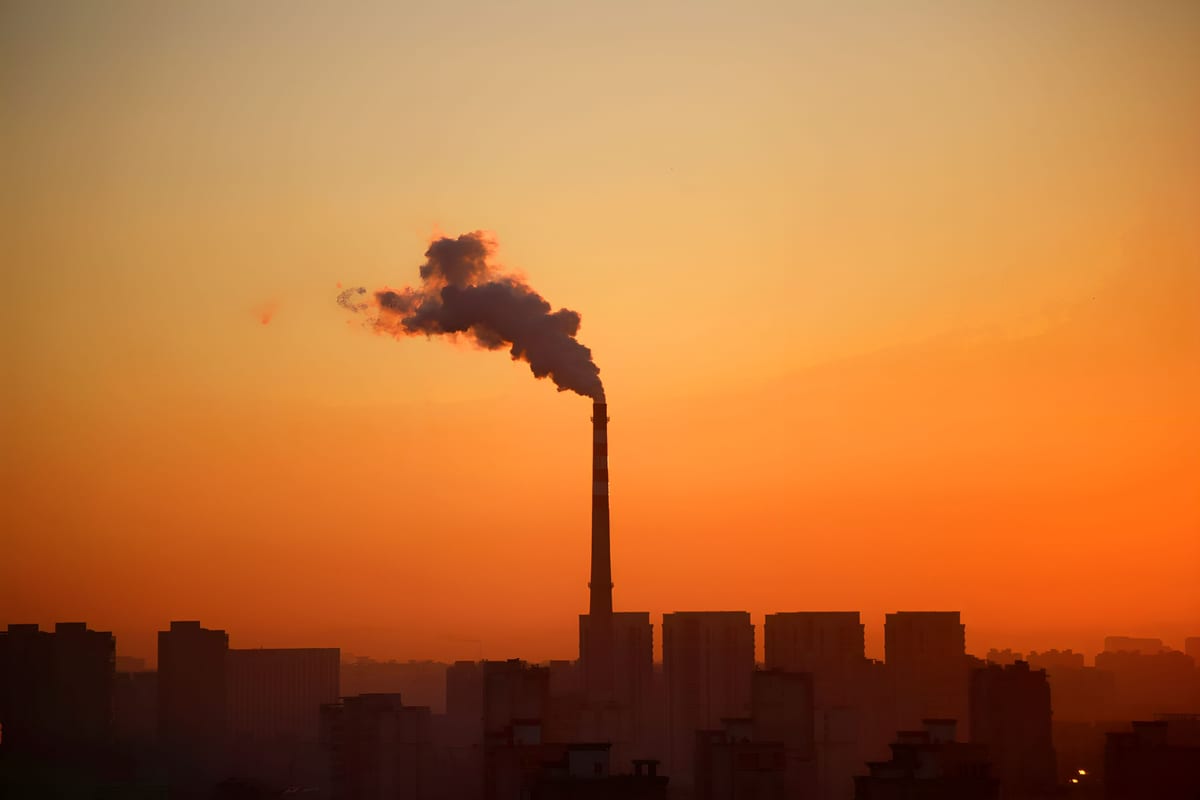
The UN's 31st climate conference opened in Antalya, Turkey on Monday, with negotiators confronting a familiar but sharper impasse: how much money will rich countries contribute, and on what terms. The summit follows a year in which heatwaves scorched Europe, major wildfires tore through Indonesia, and catastrophic floods swept Nepal, all amplified by an exceptionally strong El Niño weather phenomenon, according to reports from the venue.
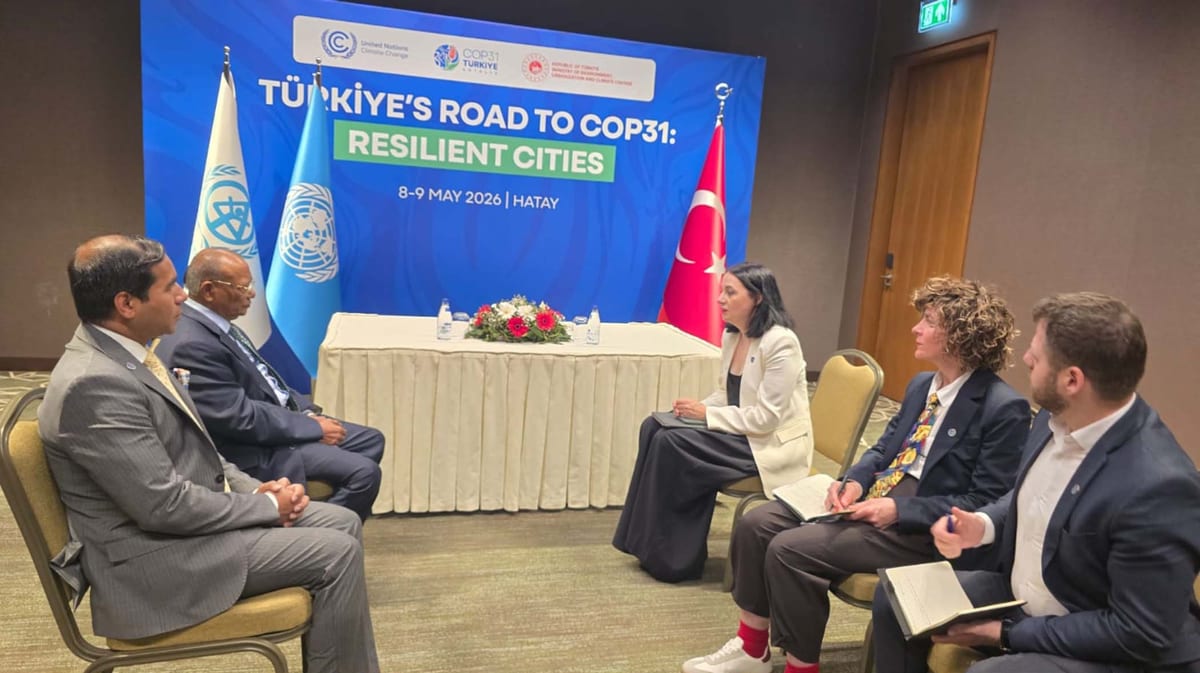
For the Global South, the central demand is a new collective quantified goal (NCQG) that moves beyond the sums dismissed at earlier summits as inadequate. India has been among the louder voices. Union environment minister Bhupender Yadav has said New Delhi will champion the Global South at Antalya, demanding predictable, non-debt climate finance and opposing top-down mitigation targets, LiveMint reported. The same message carried through India's talks with France, where the two sides discussed climate finance and COP31 priorities before the opening, DD India reported.
Opening day sessions examined retreating glaciers and stressed downstream water systems; parallel discussions kept the 1.5°C goal on the table even as emissions trajectories drift. India Today reported that climate finance, the mountain emergency and the 1.5°C target dominated the first day.
The finance fight is the real negotiation
The weather events bracketing this summit are not abstractions. Europe's heatwaves, Indonesia's wildfires and Nepal's floods are the visible edge of a crisis that poorer countries argue they did not create. That asymmetry is central to India's position. India's per capita emissions remain a fraction of those in industrialised economies, and its development pathway still demands large additions of energy capacity. The call for grant-equivalent, concessional finance rather than loans is not rhetoric; it is a refusal to pay twice for a transition already loaded with adaptation costs.
At previous COPs, Delhi's negotiators dismissed the developed world's opening offer as an optical illusion. That phrase captures an institutional memory that runs through India's climate diplomacy. New Delhi has long pressed for equity and Common But Differentiated Responsibilities and Respective Capabilities in the UNFCCC framework. Through the Voice of Global South summits and the BRICS table, India has worked to assemble a coalition that will not accept mitigation burdens without upfront money and technology. That coalition-building gives India leverage to shape the new finance goal rather than merely respond to it.
The structural tension India carries to Antalya
India's simultaneous push for coal-based energy security and its international climate leadership creates structural tension at these talks. The country cannot accept an externally imposed transition deadline; state utilities still plan thermal additions. That does not make Delhi a blocker. It makes India the strongest argument for a climate framework that separates energy security from the pace of decarbonisation. The question at Antalya is whether the rich world will pay for that separation.
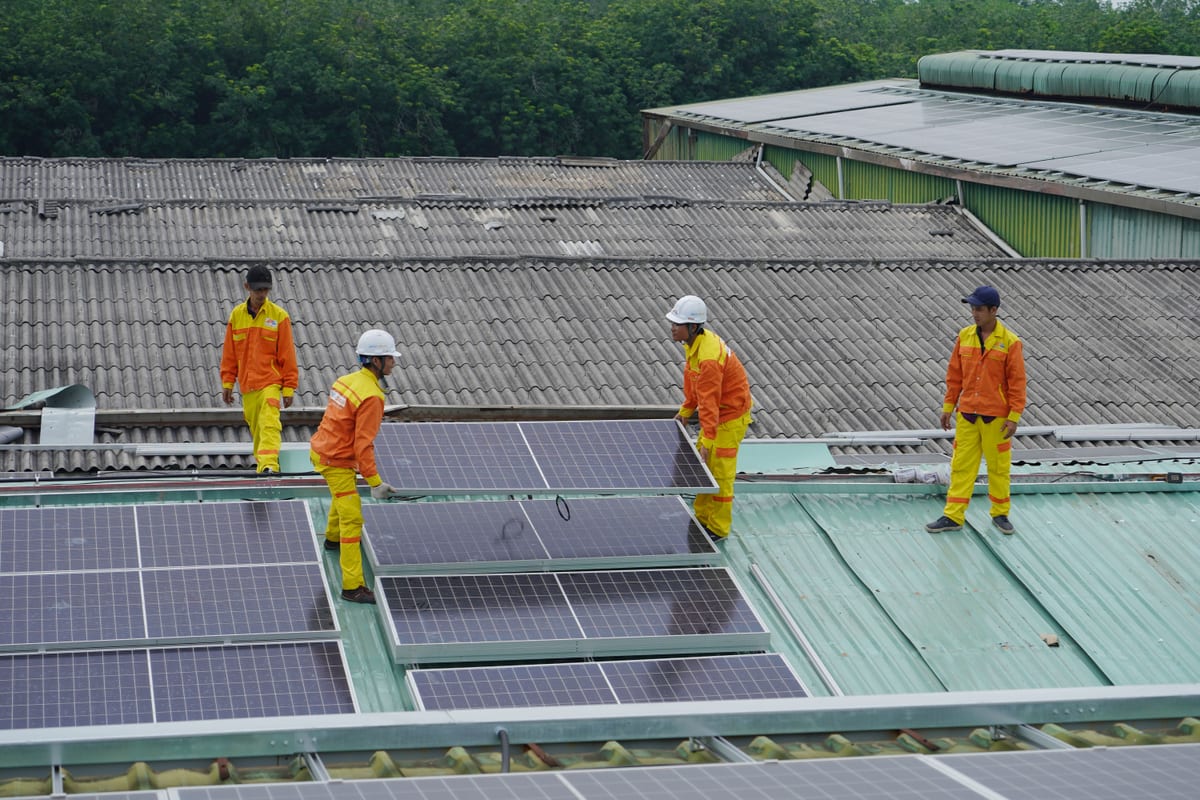
At stake is national policy and state-level fiscal resilience. Indian states already battle heatwaves, floods and cyclones each season, and their budgets are structured for annual cycles, not for the long horizons that adaptation demands. A weak finance package would slow climate-resilient agriculture, water storage and coastal protection. If the new collective goal lands as a repackaging of loans, the additional debt lands on the governments least able to absorb it.
What the mountain agenda means for the subcontinent
The mountain emergency on the COP31 agenda has direct consequences for the Himalayan belt. Glacier melt and glacial lake outbursts do not respect the borders between Nepal, Bhutan and India. When the Brahmaputra, the Ganga and their tributaries rise, the adaptation bill lands in state capitals from Assam to Bihar. That is why India's push for adaptation finance is not a negotiating nicety; it is about buying time for millions who live downstream. The opening day's focus on mountains gives Delhi a concrete argument that climate finance must include a clear grant share for adaptation, not just mitigation projects with private returns.
The 1.5°C target remains on paper, but the actual emissions trajectory tells a different story. Keeping it alive serves the Global South's interest because it anchors the responsibility conversation. If the target is formally abandoned, the pressure shifts back to developing countries to absorb ever-larger impacts without ever-larger transfers. That is why India and its partners resist any text that quietly walks away from 1.5°C while refusing to fund the transition away from fossil fuels.
The India-France conversation before the opening shows the broader diplomatic pattern. Delhi is not waiting for the formal outcome to negotiate. It is working bilaterally with European partners on the same finance questions that dominate the plenary, and it carries the Global South's demands into those rooms. The French, like other developed economies, hear the same ask: predictable, grant-equivalent, non-debt-creating finance. How that ask is translated into the final NCQG text will determine whether COP31 is remembered as a breakthrough or another postponement.
For India, Antalya is an opportunity to consolidate the Global South coalition that has been under construction for years. The real measurement will come after the summit, when the finance flows reach state budgets and begin to change the pace of adaptation. Indian readers should watch the NCQG language on accounting and grant share, not the opening speeches. That is where the money is, or is not.