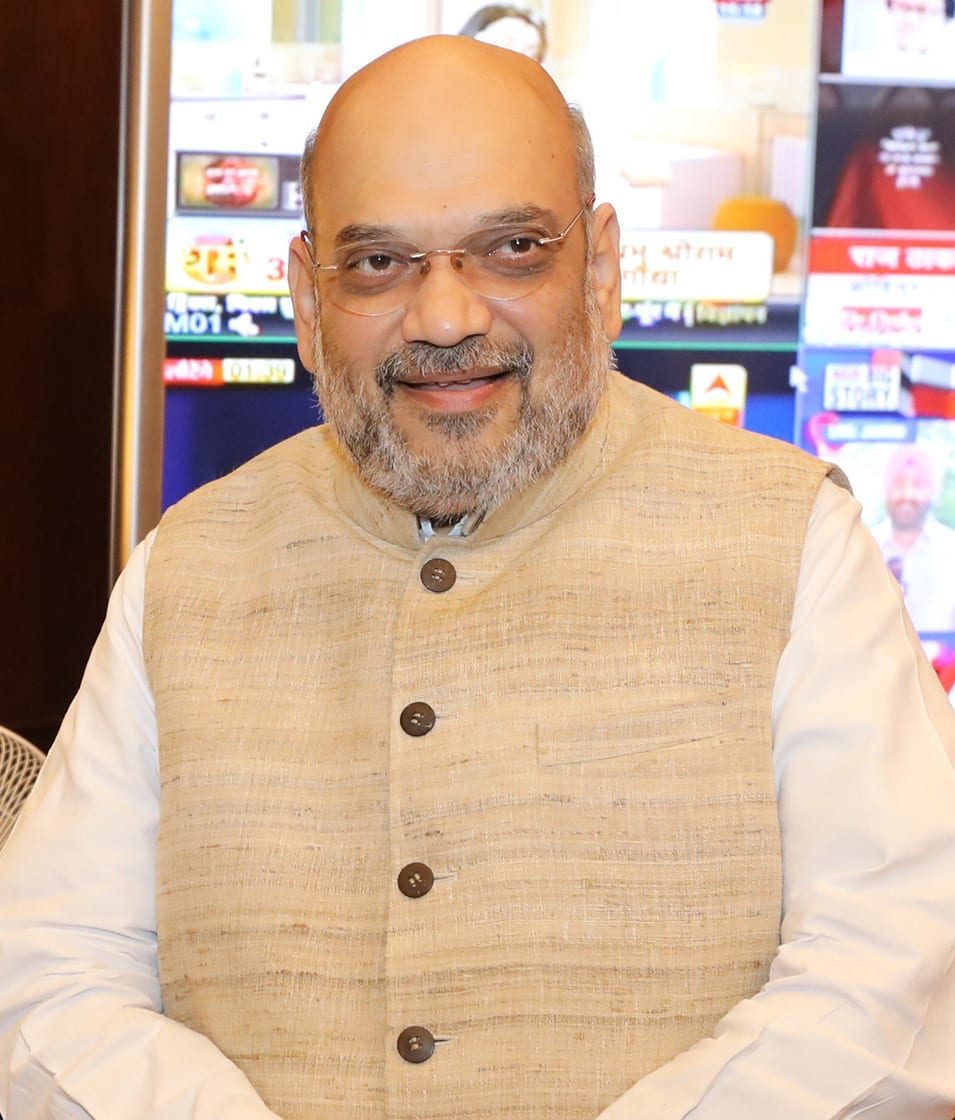
Prime Minister Narendra Modi attended a 'Bhajan Clubbing' programme at Deen Dayal Upadhyay Park in Delhi on Friday, 25 September, to mark the 110th birth anniversary of Bharatiya Jana Sangh leader Pandit Deendayal Upadhyaya, according to LiveMint. The Prime Minister listened to devotional songs, clapped along and played a tambourine as performers led the gathering.
The event, held at a park opposite the BJP headquarters, brought a newer devotional music format into the spotlight. NDTV described the programme as "spectacular" in its headline, while India Today noted the Prime Minister's participation on the birth anniversary.
What Bhajan Clubbing Actually Is
'Bhajan Clubbing' refers to devotional music events that retain traditional bhajans while presenting them through a modern, high-energy concert format. Performances can include amplified music, guitars, drums, electronic beats, stage lighting and large-scale production; the lyrics remain rooted in devotional songs. The format has attracted younger audiences, including Gen Z. Organisers position the events as alcohol- and drug-free gatherings where people can sing, dance, clap and participate in devotional music in a social setting, LiveMint reported.
The idea is not new. Devotional singing has long been part of temples, community gatherings and religious celebrations. Organisers and performers have increasingly adapted its presentation for younger audiences and larger venues. Some events now resemble music concerts, complete with stage lighting and rock or electronic arrangements. Indian devotional music has never been static. It absorbed the harmonium, the tabla and later the synthesizer without losing its devotional function. The electric guitar is simply the latest instrument to enter the room.
Mann Ki Baat and the Prime Minister's Signal
Modi had already spoken about the trend during his monthly Mann Ki Baat radio programme in January 2026. He described bhajan clubbing as a combination of devotion, culture, spirituality and modernity, and said such gatherings had found resonance among young people. He said the events could resemble global concerts while retaining the sanctity of bhajans, according to LiveMint.
Prime ministers do not choose their leisure events casually. Modi's decision to sit through a bhajan clubbing session, tambourine in hand, signals that this format is not a fringe youth experiment but a legitimate cultural expression with the approval of the country's highest political office. Cultural legitimacy in India often follows the cues of political leadership. A format that would have been dismissed a decade ago as a gimmick now receives prime ministerial time on a national commemoration.
The Upadhyaya Connection
Holding the event on Upadhyaya's birth anniversary and across from the BJP headquarters gives the cultural format a clear political genealogy. Upadhyaya was a Bharatiya Jana Sangh leader whose 110th birth anniversary falls this year. The Prime Minister's participation at this particular park, named for Upadhyaya, ties the devotional music trend directly to that lineage. There is no ministry press release or parliamentary resolution behind this; the event belongs to the realm of cultural politics rather than policy.
The Government of India has no formal policy on bhajan clubbing. The Prime Minister's attendance is best read as a cultural gesture in the party's commemorative calendar rather than a legislative or diplomatic move. The format's legitimacy comes from public participation and prime ministerial presence, not from a bureaucratic scheme.
Soft Power and the Diaspora
The format has ready appeal for the Indian diaspora. Young professionals in the diaspora who might not attend a traditional satsang will buy a ticket for a concert that keeps the bhajan but adds a light show. That is a soft-power asset India has not formally articulated. Indian cultural centres abroad have long promoted classical dance and music; bhajan clubbing offers something different: a digitally native, social-media-friendly version of devotion that travels without translation.
The diaspora angle extends beyond attendance. Streaming platforms and short-video apps already circulate clips of bhajan clubbing events, allowing Indian devotional culture to reach audiences in the Gulf, Southeast Asia and the West. That distribution is organic and difficult to replicate through formal cultural diplomacy. India's soft-power toolkit has traditionally leaned on classical forms; bhajan clubbing adds a vernacular, energetic register that resonates with younger demographics.
A modest government grant programme for devotional and classical arts could widen this reach without turning bhajans into a spectacle. The opportunity lies in letting the format grow organically while curating the more commercial excesses, so that the devotional core does not get lost in the production.
Commercial Potential and Youth Engagement
The commercial dimension follows the cultural one. Live music is a growing industry in India, and devotional events with concert production can support event managers, sound engineers, lighting technicians and digital content creators. The format's alcohol-free positioning also makes it acceptable to families and temple committees, widening the paying audience beyond the usual concert crowd. No attendance estimates or revenue figures have been released for the Delhi event, but the trend's momentum across Indian cities suggests organisers have found a sustainable niche.
The event's production values require investment in sound, lighting and stage design. That spend lands with local vendors, technicians and performers, creating a transactional economy that does not need a government programme to function. Its alcohol-free positioning makes it easy for municipal and temple authorities to approve, which lowers regulatory friction.
A Different Kind of Cultural Debate
The obvious critique, that clubbing culture is being attached to devotional practice, underestimates how Indian religious music has always absorbed instrumentation and form from its surroundings. The core question is not whether the format changes the music; it is whether the lyrics and the underlying purpose survive the amplification. The Delhi event suggests they can. The Prime Minister was not a spectator in a nightclub; he was a participant, clapping in rhythm with a gathering that included families.
The deeper point may be the simplest. For a large share of young urban Indians, the choice is not between tradition and modernity; it is about finding formats that let both exist in the same evening. Bhajan clubbing has moved from a neighbourhood curiosity to a prime ministerial date on the cultural calendar. Whether it becomes a lasting element of India's soft-power toolkit or a passing concert trend depends less on the lighting rigs than on whether the devotional core remains intelligible to the people who come to dance and sing. In Delhi on 25 September, it did.