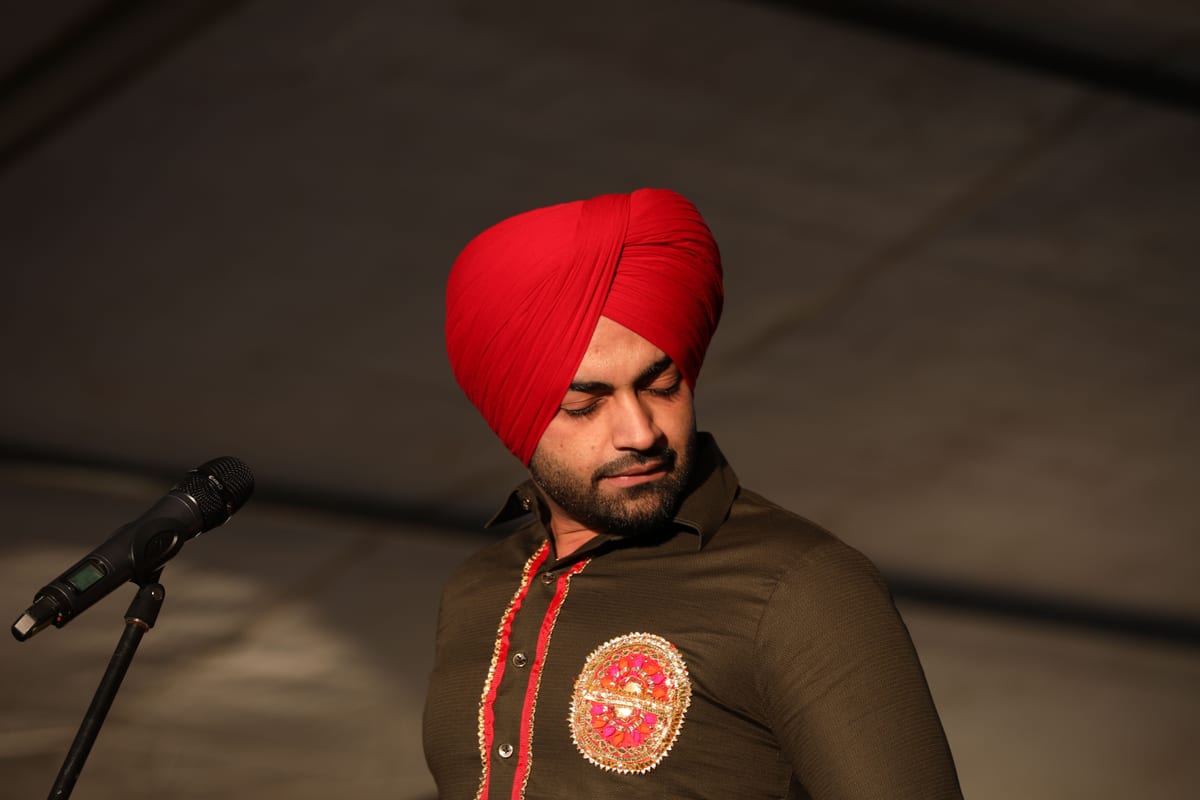
The November 15 Diljit Dosanjh concert in Indore will go ahead, but not exactly as the set list promised. The district administration has barred four songs, including the raucous Patiala Peg and 5 Tara Theke, with officials citing concerns over alcohol and gun-culture references, NDTV reported on Saturday. The show itself has not been cancelled; it will go on with a shorter songbook and a few stagecraft instructions.
Beyond the four-song prohibition, the advisory asks performers not to invite children onto the stage and tells Dosanjh to avoid wearing a faux bullet belt during the show. India Today described the restrictions as conditions attached to the concert permission, a familiar but uneven practice in Indian district administration.
The district's condition-setting powers
Indore's move is a licensing condition rather than a content verdict. Under India's federal scheme, district magistrates and police commissioners retain authority to impose conditions on public gatherings that affect public order, public health, and the protection of minors. The Indore advisory fits that template: no blanket cancellation, but a list of prohibitions handed to organisers along with the permission to hold the event. That the district chose to name four songs, rather than issue a general standard, is where the problem begins for promoters and artists.
The central government has not issued a statement on Indore's advisory, and it does not need to for the restriction to stand. Cultural regulation in India remains a substantial state subject, and local police powers do not require a directive from Delhi. The absence of a central position leaves artists and promoters without a predictable appeals ladder beyond the district's reconsideration or the courts. Each city becomes its own censor.
Why Patiala Peg lands in the red zone
Patiala Peg is a drinking song. The term refers to a measure of whisky understood to be larger than a standard pour, a piece of Punjabi cultural vocabulary that has travelled with the diaspora. In Indore, where administrative caution around alcohol references can run deep, the song appears to have triggered the same reflex that has previously targeted tracks perceived to promote drinking or violence. 5 Tara Theke, another barred track, shares that register. The four-song prohibition turns on concerns about alcohol and gun culture; the faux bullet belt instruction extends the same logic to stagecraft.
The bullet-belt clause, even if it targets a costume prop, is difficult to separate from the song objections. It treats an accessory as a message. That slippage, from public safety to symbolic policing, is the central tension in India's live-performance regulation. A district officer is not reviewing lyrics in a studio; he is reading a set list as if it were a public-order brief.
The economics of a cancelled setlist
For a tour as commercially significant as Dil-Luminati, the restrictions are not merely cosmetic. Set lists are negotiated with promoters, rehearsed, and often tied to stage production. Pulling four songs days before a show forces hurried adjustments, and organisers absorb costs for rehearsals and any licensing confusion. Indian live entertainment has seen this before: one city permits a song, another asks for cuts, and the artist carries two versions of a performance. The lack of a national framework means promoters must factor local administrative discretion into every tour budget.
India's media and entertainment sector has grown into a major economic contributor, and its live segment now competes for international acts. The Indore advisory will not dent Dosanjh's drawing power; the show is not cancelled, and the controversy may even stoke demand. But the structural problem remains: each district administration improvises its own content rules, and the live-events economy absorbs that unpredictability as a cost of doing business. Industry associations representing event promoters have long argued that ad hoc local restrictions raise costs and deter acts from mounting full-scale productions.
Child safety and a legitimate thread
The instruction about children is the most defensible part of the advisory. Live concerts are loud, crowded, and not designed for minors on stage, and Indian child-protection norms have grown more cautious around public events. Asking a performer not to call children up is a prudent condition that addresses a real risk without touching the performer's material.
India has tolerated content restrictions at the local level for decades, from cinema-hall cuts to event permissions, a legacy that predates streaming platforms. What has changed is that live performance has become a high-value domestic and diaspora product. The gap between regulatory practice and industrial scale is widening. A national framework for live performance, issued in consultation with states, could address child safety and public-order concerns without requiring artists to submit song titles to a district officer. Such guidelines would not strip local authorities of their legitimate role; they would make that role predictable.
Indore's advisory will be read as a footnote to a blockbuster tour, but it maps a recurring friction in India's cultural economy: the line between a district's duty to regulate public events and an artist's freedom to perform. As live entertainment grows, that line will need to be drawn with fewer ad hoc strokes. Indian audiences will watch not just whether Patiala Peg returns to the set list in the next city, but whether the next district officer invents a different list of his own.